

1
Western Demonology: Methods Used to Restrain or Control Demonic Entities (Basic overview)
(hilariouschaos.com)
Introduction
In Western demonology, particularly during the medieval and Renaissance periods, scholars, priests, and occult practitioners developed elaborate systems intended to summon, command, or restrain demonic entities. These traditions were influenced by Jewish mysticism, Christian theology, classical magic texts, and medieval grimoires.
Unlike many spiritual traditions that focus on purification or avoidance of harmful spirits, Western demonology often attempted to force demons into obedience through ritual authority.
Many of these methods were recorded in famous occult manuscripts such as The Lesser Key of Solomon and The Key of Solomon.
⸻
The Magic Circle
One of the most well-known techniques used in Western demonology was the magic circle.
The circle served as a protective barrier between the summoner and the entity being called.
Typical features of these circles included: • Sacred names of God written around the perimeter • Symbols or sigils believed to hold divine authority • Precise geometric shapes meant to contain spiritual forces
The practitioner would stand inside the circle, while the summoned entity was commanded to appear outside the circle in a designated space known as the triangle of manifestation.
The belief was that the demon could not cross the circle without permission, as the divine names acted as a spiritual constraint.
⸻
The Triangle of Manifestation
Another important element of ritual demonology was the triangle, sometimes called the Triangle of Art.
The triangle was placed outside the circle and marked with sacred names or symbols.
Its purpose was to force the entity to appear in a specific location where it could be controlled or questioned.
According to the grimoires: • The magician remained inside the circle • The demon was compelled to manifest within the triangle • The triangle prevented the entity from wandering freely
This structure created a controlled environment for summoning.
⸻
Sigils and Demon Seals
Each demon described in grimoires such as the Ars Goetia was believed to possess a unique sigil, or symbolic seal.
These sigils served several purposes: • Identifying the specific entity being summoned • Acting as a spiritual “key” to call the demon • Binding or commanding the entity during the ritual
Practitioners often engraved or drew these seals onto metal plates, parchment, or ritual tools.
The sigil functioned like a spiritual signature connected to that particular entity.
⸻
The Use of Divine Authority
One of the central principles in Western demonology is that humans cannot control demons by their own power.
Instead, the magician invokes divine authority.
Rituals often included: • Biblical prayers • Invocations of God’s names • References to angels
The magician would command the demon in the name of God or through the authority of sacred figures such as King Solomon.
According to tradition, Solomon was given a ring by God that allowed him to command demons and force them to build the Temple in Jerusalem.
⸻
Binding and Containment Rituals
Some rituals in medieval demonology focused specifically on binding an entity after it was summoned.
These rituals sometimes involved: • Written contracts • Sacred seals placed over containers or objects • Ritual commands forcing the demon to depart or remain bound
Certain grimoires described demons being trapped inside rings, bottles, or sealed vessels, though historians debate whether these stories were symbolic or literal.
⸻
Exorcism
While ceremonial magic sought to command demons, Christian exorcism traditions focused on driving them out of people or locations.
Exorcism rituals often involved: • Recitation of prayers • Invocation of saints or angels • Religious symbols such as crucifixes
One of the most famous texts used in these rituals is the Roman Ritual, which includes formal procedures for exorcism.
⸻
Famous Demons in Western Demonology
Many grimoires list detailed descriptions of demons, their ranks, and the powers they supposedly grant.
One of the most famous collections appears in the Ars Goetia, which describes 72 demons said to have been controlled by King Solomon.
Examples include: • Bael – said to grant invisibility • Paimon – associated with knowledge and secrets • Buer
These descriptions were part mythology, part occult symbolism.
⸻
Historical Perspective
Most historians view medieval demonology as a mixture of: • Religious belief • symbolic ritual systems • philosophical ideas about good and evil
There is no scientific evidence that demons can be summoned or controlled, and these practices are generally studied today as historical or cultural phenomena rather than literal methods.
However, the imagery and concepts of Western demonology have had a huge influence on literature, horror stories, and modern occult traditions.
⸻
Conclusion
Western demonology developed a complex ritual framework designed to summon and control supernatural entities. Through tools such as magic circles, sigils, sacred names, and protective rituals, practitioners believed they could safely interact with dangerous spiritual forces.
While these practices are now mostly understood as historical traditions rather than literal techniques, they continue to influence modern occult studies and popular culture.

Introduction
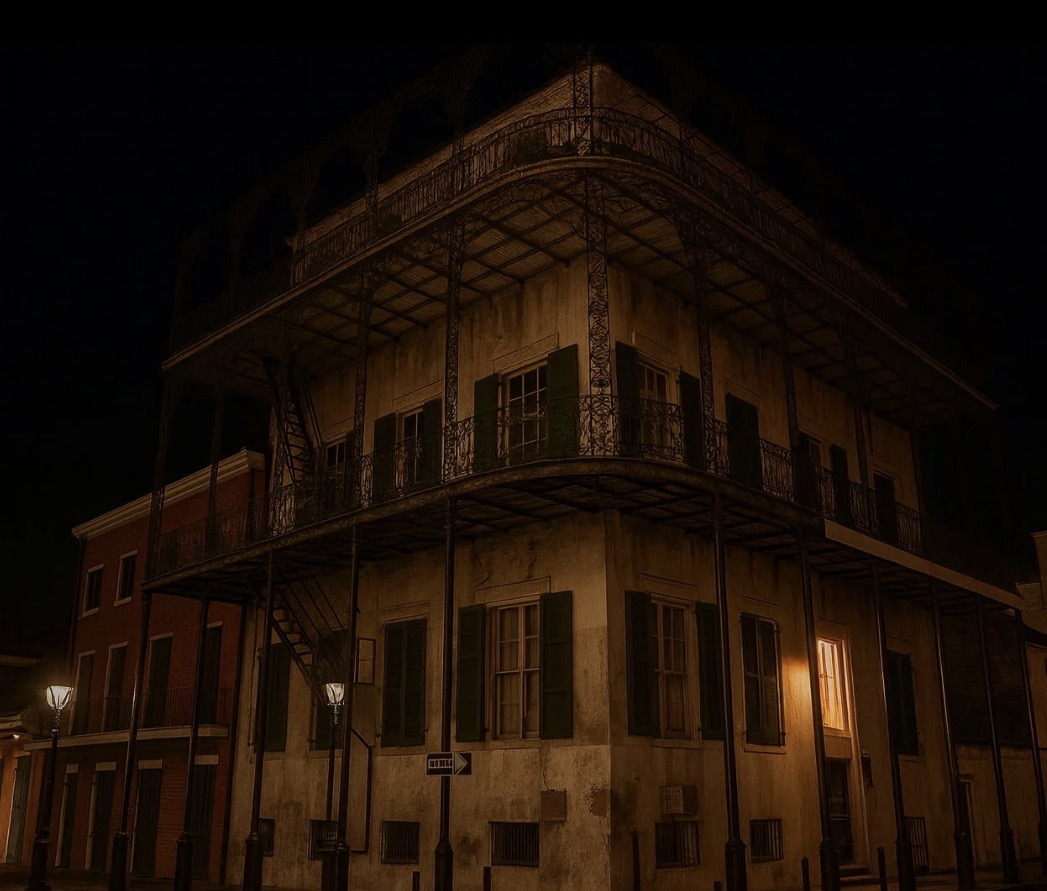
The city of New Orleans is famous for its haunted history, with countless ghost stories tied to its centuries-old buildings. While places like the LaLaurie Mansion often receive the most attention, one of the city’s darker and lesser-known legends surrounds a building sometimes called the Sultan’s Palace, located on Royal Street.
The story dates back to the mid-1800s and involves a mysterious foreign nobleman, a night of unimaginable violence, and reports that the building has never fully lost the presence of what happened there.
⸻
The Arrival of the Mysterious Sultan
According to local legend, sometime in the 1840s, a wealthy man from the Middle East arrived in New Orleans accompanied by a large entourage.
The man, often described in stories as a Turkish or Ottoman nobleman, rented a large residence on Royal Street in the French Quarter. Witnesses claimed he brought with him a group of women believed to be part of a private harem, as well as several servants and guards.
The group reportedly lived a secluded lifestyle inside the mansion. Neighbors said they rarely saw anyone leave the building, and strange music and celebrations could sometimes be heard from inside during the night.
Because of the mysterious nature of the household, rumors quickly began to spread throughout the neighborhood.
⸻
A Night of Horror
The legend reaches its most disturbing moment when neighbors reportedly noticed something unusual one morning: the building had become completely silent.
Concerned residents alerted authorities, who forced their way into the residence.
Inside, they allegedly discovered a gruesome scene. According to the story, nearly everyone inside the mansion had been killed.
Descriptions vary depending on the version of the tale, but many accounts claim that: • Servants were found dead throughout the building • The women living inside had been murdered • The mysterious nobleman himself was discovered dead inside the residence
Some stories claim the nobleman had taken his own life, while others suggest an unknown attacker may have been responsible.
The exact truth behind the killings has never been clearly documented in historical records, which is one reason the story remains controversial among historians.
⸻
Strange Occurrences After the Tragedy
In the years that followed, residents and visitors claimed the building developed a reputation for unexplained events.
People living nearby reported hearing: • Music coming from the empty building late at night • Footsteps on the upper floors • The sound of voices or distant laughter
Some witnesses claimed to see shadowy figures moving near the balconies or windows when the building was otherwise empty.
Because of these reports, locals began referring to the residence as the Sultan’s Palace, believing that the spirits of those who died there had never left.
⸻
Fact, Legend, and Mystery
Unlike some haunted locations in New Orleans with well-documented historical events, the Sultan’s Palace story exists mostly in local folklore and oral tradition.
Historians have struggled to find official records confirming the massacre described in the legend. This has led some researchers to believe the story may have been exaggerated over time.
However, others argue that incomplete records from the 19th century could explain the lack of documentation.
Regardless of its historical accuracy, the tale has persisted for generations and remains one of the city’s more mysterious ghost legends.
⸻
A City Built on Ghost Stories
Ghost stories are deeply embedded in the culture of New Orleans, especially within the French Quarter.
The city’s long history, combined with its unique blend of French, Spanish, African, and Caribbean cultural traditions, has created an environment where supernatural legends thrive.
Stories like the Sultan’s Palace continue to circulate among locals, tour guides, and visitors who explore the narrow streets and historic buildings of the Quarter.
⸻
Conclusion
Whether the events at the Sultan’s Palace truly happened as described or were gradually transformed into legend, the story remains one of the darker tales connected to New Orleans’ haunted reputation.
Like many ghost stories in the city, the mystery lies not only in what may have happened—but also in the centuries of whispers and sightings that continue to surround the old building on Royal Street.
4
Operation Cauldron: When the UK Tested Biological Weapons Near Its Own Population
(hilariouschaos.com)
Introduction
During the early Cold War, several governments secretly conducted experiments to understand how biological weapons might behave in real-world conditions. One of the most controversial British programs was Operation Cauldron, a covert biological warfare test carried out in 1952 off the coast of Scotland.
The purpose of the operation was to study how dangerous pathogens might disperse through the air over open water and whether such agents could infect people or animals exposed to airborne clouds. The experiment became particularly disturbing decades later when declassified documents revealed that a civilian fishing vessel unknowingly sailed directly through the test area.
The incident raised serious ethical questions about Cold War military research conducted without public knowledge.
⸻
Cold War Biological Warfare Research
Following World War II, governments across the world began investing heavily in research related to chemical and biological weapons. Military planners feared that future wars could involve attacks using infectious diseases or toxic biological agents.
In the United Kingdom, this research was largely conducted at Porton Down, a government research facility responsible for studying chemical and biological defense technologies.
Scientists at Porton Down sought to understand how airborne pathogens might spread under different environmental conditions, including over oceans and coastal areas. This research led directly to the planning of Operation Cauldron.
⸻
Location of the Tests
Operation Cauldron was conducted in waters off the northwest coast of Scotland, near the island of Lewis and Harris, particularly near the port of Stornoway.
The area was chosen because of its remote location and the presence of relatively controlled maritime traffic. Despite the region’s isolation, fishing vessels still occasionally passed through the waters where the experiments were conducted.
This would later become one of the most controversial aspects of the operation.
⸻
The Biological Experiment
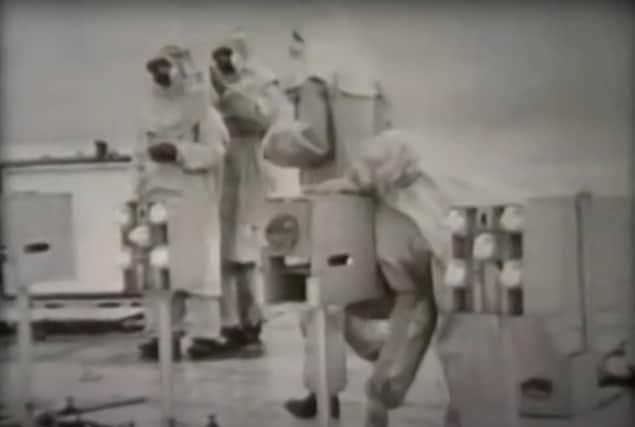
During the tests, scientists released aerosolized clouds of pathogens into the air. The main organism used in the experiment was Yersinia pestis, the bacterium responsible for plague.
Rather than using insects as carriers, the bacteria were dispersed as fine airborne mist clouds, either from sprayers or specialized dispersal devices. The goal was to simulate how a biological weapon might spread if released from a ship or aircraft.
To study the effects of the aerosol cloud, researchers placed animals such as monkeys and guinea pigs in cages on floating pontoons positioned downwind from the release site. Scientists then observed whether the animals became infected after exposure to the airborne bacteria.
The experiment was designed to determine whether biological agents could effectively infect targets through inhalation, a form of transmission known as pneumonic infection.
⸻
The Carella Incident
During one phase of the operation, an unexpected and alarming event occurred.
A civilian fishing trawler named Carella, operating out of Fleetwood in Lancashire, unknowingly sailed directly through one of the biological test clouds.
The vessel had 18 crew members on board, none of whom had any idea that they had passed through a cloud containing plague bacteria.
Rather than warning the crew, the British government chose to maintain secrecy.
According to declassified records, the Royal Navy discreetly monitored the trawler for weeks afterward, prepared to intervene if any of the crew began showing symptoms of infection. The authorities feared that revealing the experiment could expose the classified research program.
Fortunately, none of the crew members became ill.
Scientists later suggested that environmental conditions such as salt in the sea air or ultraviolet radiation from sunlight may have weakened or destroyed the bacteria before they could infect the crew.
⸻
Related Biological Tests in Scotland
Operation Cauldron was not the first biological warfare experiment conducted by the United Kingdom in Scotland.
Earlier, during World War II, British scientists had carried out anthrax weapon tests on Gruinard Island.
Anthrax spores released during those tests contaminated the island so severely that it remained unsafe for decades. The British government declared the island quarantined until a major decontamination effort in the late 1980s finally made it safe again.
Following Operation Cauldron, British researchers continued similar experiments under Operation Hesperus in 1953, which involved testing other pathogens such as Francisella tularensis, the bacterium responsible for tularemia.
⸻
Secrecy and Later Revelations
For many years, the details of Operation Cauldron remained classified. Information about the experiment only became public decades later when government documents were declassified in the 1980s and 1990s.
When the story emerged, it sparked widespread debate about the ethics of Cold War-era biological research. Critics argued that exposing civilians to potentially deadly pathogens—even unintentionally—without their knowledge was deeply irresponsible.
Supporters of the program argued that the experiments were conducted during a period of intense geopolitical tension, when governments feared that biological weapons might be used against them.
⸻
Ethical Questions and Legacy
Operation Cauldron has since become an example frequently cited in discussions about the ethics of military experimentation. The incident illustrates how secrecy during the Cold War sometimes allowed dangerous research to proceed without public oversight.
The near-miss involving the Carella trawler has remained one of the most unsettling aspects of the program. Had the environmental conditions been slightly different, the outcome might have been far more serious.
Today, international agreements such as the Biological Weapons Convention of 1972 prohibit the development and stockpiling of biological weapons.
⸻
Conclusion
Operation Cauldron represents one of the more controversial episodes in the history of Cold War biological warfare research. Conducted in secrecy and involving the release of aerosolized plague bacteria near civilian waters, the experiment highlights the risks and ethical dilemmas associated with military research programs during periods of global tension.
Although no one was ultimately harmed during the tests, the incident serves as a reminder of how close civilian populations sometimes came to unknowingly becoming part of dangerous experiments.
5
The Cactus Cat: The American Southwest’s Strangest Cryptid (pet it and you’ll be saying MEOW!!!!)
(hilariouschaos.com)
Introduction
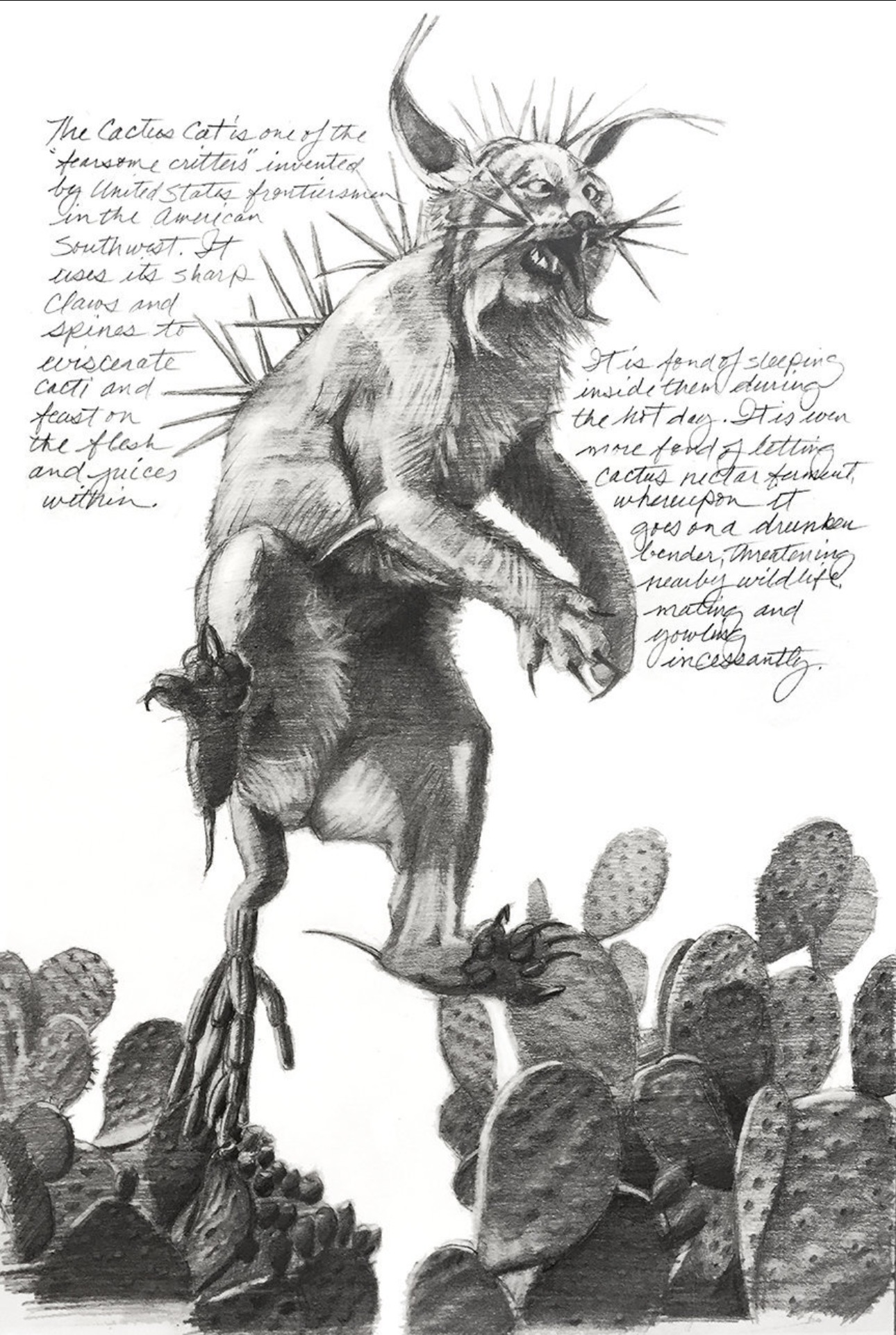
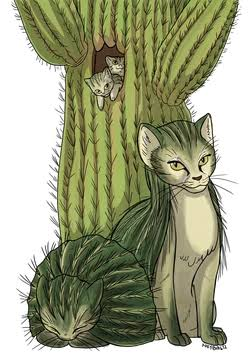
Among the oddest creatures in American folklore is a cryptid known as the Cactus Cat, a bizarre feline said to roam the deserts of the American Southwest. The creature is most closely associated with Arizona, where early twentieth-century stories described a strange animal covered in cactus-like spines that supposedly drank fermented cactus sap.
Unlike famous cryptids such as Bigfoot or the Loch Ness Monster, the Cactus Cat is less widely known and often considered one of the most unusual and surreal creatures in North American folklore.
⸻
Origins of the Legend
The Cactus Cat appears primarily in early frontier folklore and lumberjack-style tall tales from the late nineteenth and early twentieth centuries. Many of these stories were popularized in pamphlets, newspapers, and tourism promotions in the American West.
The creature was sometimes mentioned alongside other exaggerated frontier creatures such as the “jackalope” or the “hidebehind,” which were often part humor and part regional storytelling tradition.
Although the legend is closely tied to Arizona, similar desert-cat stories appear in other southwestern states.
⸻
Description of the Creature
The Cactus Cat was said to resemble a mountain lion or wildcat but with very unusual features.
Common descriptions include: • A body covered in thorn-like cactus spines • A long tail with sharp barbs • Rough, cactus-like skin • A cat-like face with sharp teeth • Bright eyes adapted to nighttime desert hunting
The spines supposedly allowed the animal to blend into desert vegetation and defend itself against predators.
⸻
The Strange Behavior
What truly made the Cactus Cat unusual in folklore was its supposed diet.
According to legend, the creature would climb or scratch open saguaro cacti, allowing the cactus sap to leak out. The sap would then ferment in the desert heat, producing a mild alcohol-like substance.
The Cactus Cat was said to drink this fermented sap until becoming intoxicated.
Stories claim the creature would then wander the desert at night, making loud howling sounds while staggering around the cactus fields.
Early ranchers supposedly blamed these eerie nighttime cries on the drunken desert animal.
⸻
Possible Inspirations
The Cactus Cat legend likely developed from a combination of real desert animals and exaggerated storytelling.
Possible influences include: • Bobcats or mountain lions seen moving through cactus fields • Cactus plants damaged by animals, causing sap to leak • Strange nighttime sounds produced by wildlife
Frontier humor also played a role. Many tall tales of the American West intentionally exaggerated wildlife behavior for entertainment.
⸻
Tourism and Myth
The Cactus Cat became especially popular in the early twentieth century when it was used in promotional materials designed to attract tourists to the Southwest.
Illustrations of the creature appeared in guidebooks and roadside attractions, often alongside other mythical creatures of frontier folklore.
These depictions helped cement the Cactus Cat as part of regional myth even though there is no scientific evidence that such an animal ever existed.
⸻
Conclusion
The Cactus Cat remains one of the strangest creatures ever associated with American folklore. With its cactus-covered body and bizarre behavior involving fermented cactus sap, the legend stands out as a unique blend of desert storytelling, humor, and imagination.
While the creature is almost certainly fictional, the story continues to survive as one of the more unusual myths from the American Southwest—proof that even the harsh landscapes of the desert have inspired some truly strange legends.
Introduction
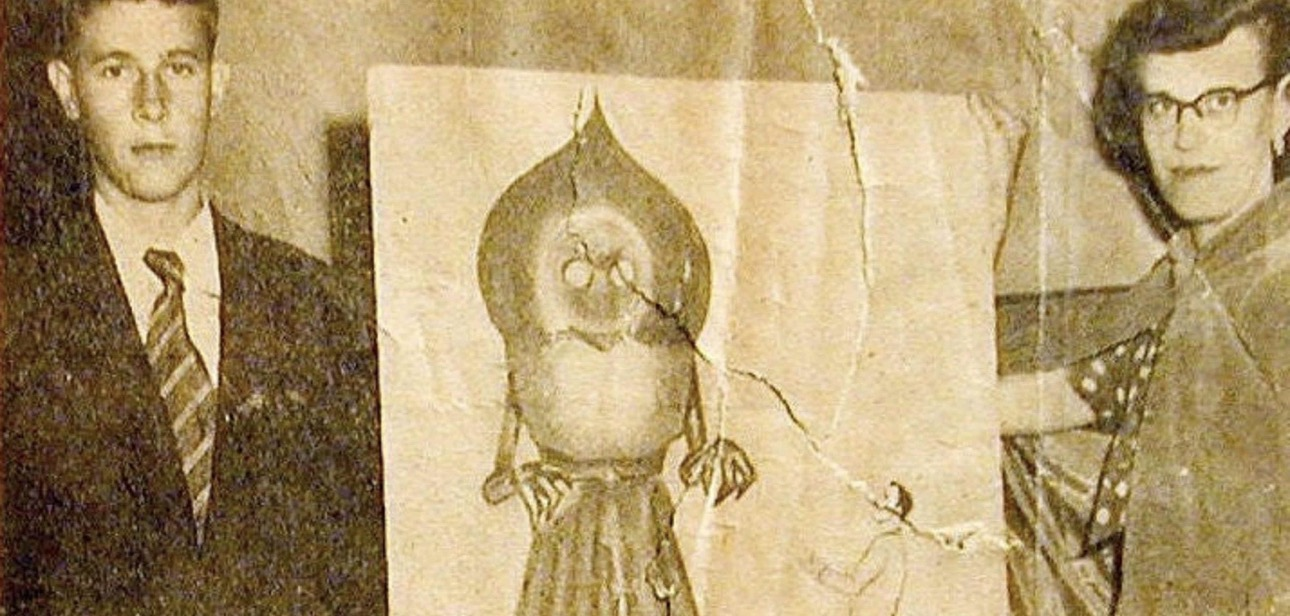
Among the strangest cryptids ever reported is the Flatwoods Monster, a bizarre creature allegedly seen in Flatwoods, West Virginia in 1952. Unlike many cryptids that resemble animals—such as Bigfoot or lake monsters—the Flatwoods creature was described as something entirely different: a towering figure with glowing eyes, a strange metallic appearance, and a head shaped like a spade or ace of spades.
The case quickly became one of the most unusual incidents in American cryptid and UFO history.
⸻
The Original Encounter
The sighting occurred on September 12, 1952, when several boys in Flatwoods reported seeing a bright object streak across the sky and land on a nearby hill.
The boys ran to tell their mother, who then joined them along with a few neighbors to investigate the landing site. As the group approached the hill with a flashlight, they reportedly saw something terrifying.
Witnesses described seeing a large glowing object on the ground and, nearby, a strange creature emerging from the mist.
⸻
Description of the Creature
The witnesses gave a remarkably consistent description of the entity.
They claimed it was: • Around 10 feet tall • Wearing what appeared to be a dark, metallic suit • Possessing a round red face with glowing eyes • Surrounded by a hood or collar shaped like a spade or pointed hood
Instead of walking normally, the creature was said to glide across the ground.
Several witnesses also reported a strong sulfur-like odor in the area.
⸻
Panic and Aftermath
Frightened by the sight, the group fled the hillside and contacted local authorities.
The story quickly spread, and investigators—including reporters and local officials—visited the site. Some people claimed the area had strange burn marks or oily residue on the ground.
The incident occurred during a period in the early 1950s when UFO sightings were being reported across the United States, which added to the mystery.
⸻
Possible Explanations
Over the years, several explanations have been proposed.
One widely discussed theory suggests that the witnesses may have encountered a barn owl perched on a tree branch, illuminated by a flashlight. The owl’s large glowing eyes and wings could have created the illusion of a tall figure.
Other explanations include: • A misidentified meteor or aircraft landing light • Smoke or mist creating visual distortions • Panic and misinterpretation in the dark
Despite these possibilities, some researchers believe the encounter still contains unexplained elements.
⸻
Why the Story Endures
The Flatwoods Monster became famous partly because of how unusual the creature’s description was. Unlike most cryptids, which resemble animals or prehistoric creatures, the Flatwoods entity seemed almost alien.
The story spread through newspapers, radio reports, and later documentaries. Over time it became a permanent part of American paranormal folklore.
Today, Flatwoods celebrates the legend with local festivals, museums, and statues of the strange creature.
⸻
Conclusion
Whether the Flatwoods Monster was a misidentified animal, a trick of light and shadow, or something truly unexplained, the encounter remains one of the most bizarre cryptid sightings ever reported.
More than seventy years later, the story continues to fascinate researchers and enthusiasts who wonder what the witnesses really saw on that dark hillside in West Virginia.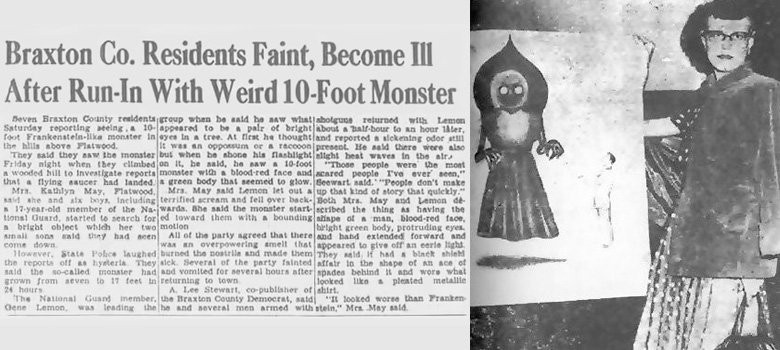

Introduction
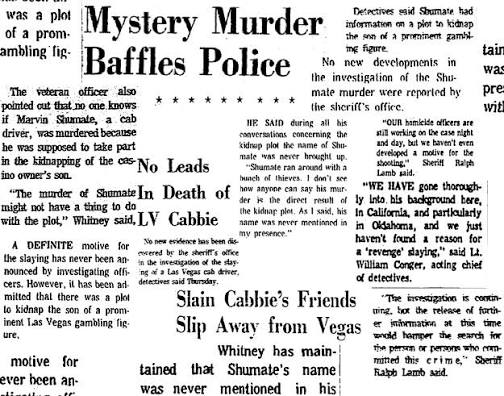
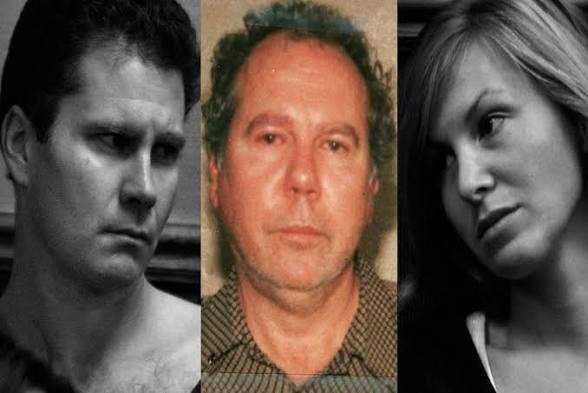
Few crime stories capture the darker side of Las Vegas quite like the mysterious death of casino heir Ted Binion. His 1998 death quickly spiraled into one of the most sensational murder investigations in Nevada history—combining casino wealth, buried treasure, organized crime connections, and a courtroom drama that lasted for years.
Although two people were originally convicted of his murder, their convictions were later overturned, and they were ultimately acquitted in a retrial. Even today, the exact circumstances surrounding Binion’s death remain heavily debated among investigators and true crime researchers.
⸻
A Powerful Casino Dynasty
Ted Binion was the son of Benny Binion, a legendary figure in Las Vegas gambling history. Benny Binion built Binion’s Horseshoe into one of the city’s most famous casinos and helped popularize high-stakes poker, eventually launching what became the World Series of Poker.
After his father’s death, Ted inherited a portion of the casino empire. However, by the late 1990s his life had become increasingly unstable. Binion struggled with heroin addiction and was closely associated with Herbie Blitzstein, a known organized crime figure.
Because of these issues, the Nevada Gaming Commission revoked Binion’s gaming license in 1998. This decision legally barred him from entering or managing his own family’s casino—an extraordinary fall for someone born into one of Las Vegas’ most powerful gambling families.
⸻
The Hidden Silver Fortune
One of the most unusual aspects of the case involved Ted Binion’s obsession with precious metals, particularly silver. Binion owned an enormous personal collection consisting of approximately 46,000 pounds of silver bars, along with rare coins and other valuable collectibles.
The treasure was stored in a 10-foot-deep reinforced concrete vault buried in the Nevada desert near Pahrump, roughly an hour west of Las Vegas.
Depending on market prices at the time, the silver alone was estimated to be worth between $7 million and $14 million. The buried fortune became one of the most famous hidden treasures in modern American crime history.
⸻
The Suspicious Death
On September 17, 1998, Ted Binion was found dead in his Las Vegas home.
At first, investigators believed the death might have been the result of a drug overdose. Toxicology tests revealed high levels of heroin and other substances in his system.
However, the situation quickly became suspicious.
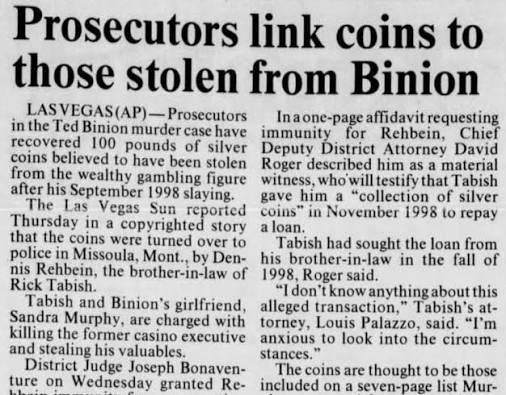
Just two days after Binion’s death, Nye County sheriff’s deputies caught Rick Tabish at the buried vault site in Pahrump. Tabish had arrived with heavy construction equipment and was attempting to dig up the silver.
He was accompanied by Sandy Murphy, Binion’s girlfriend at the time.
The discovery immediately raised suspicion that the pair may have been attempting to take control of Binion’s fortune.
⸻
The Murder Investigation
Prosecutors soon developed a theory that Binion had not died of a simple overdose. Instead, they argued that Murphy and Tabish had deliberately killed him.
According to the prosecution, the pair used a method known as “burking”, a form of suffocation that leaves few visible marks. The method is named after William Burke, who used similar techniques in Scotland.
Investigators believed Binion may have been drugged and then suffocated, making the death appear to be an accidental overdose.
This theory became the central argument in the murder trials that followed.
⸻
The First Trial
In 2000, Murphy and Tabish were tried for murder in a highly publicized courtroom battle.
Prosecutors argued that the pair had killed Binion in order to gain access to his buried fortune. The dramatic story—featuring desert treasure, casino wealth, and alleged betrayal—captured national media attention.
Both defendants were convicted of murder and sentenced to lengthy prison terms.
⸻
Appeals and the Second Trial
The case took a dramatic turn in 2003 when an appeals court overturned the convictions, ruling that errors during the original trial required a retrial.
During the 2004 retrial, Murphy and Tabish were acquitted of murder.
However, the legal battle did not end there. The jury still found both defendants guilty of robbery and grand larceny related to the attempted theft of the silver fortune.
Because the murder charge was dismissed, the exact cause of Ted Binion’s death remains disputed.
⸻
A Mystery That Still Divides Investigators
The Binion case continues to fascinate true crime researchers because the evidence never produced a clear consensus.
Some investigators believe: • Binion died from a drug overdose. • The suffocation theory was incorrect.
Others argue: • The circumstances strongly suggest homicide. • The suffocation method may have left little physical evidence.
Because of the conflicting forensic interpretations and the dramatic courtroom reversals, the case remains one of the most debated murder investigations in Las Vegas history.
⸻
Legacy of the Case
The death of Ted Binion became a symbol of the darker side of Las Vegas wealth and power. The story contained elements that seemed almost fictional: a casino dynasty, buried treasure in the desert, organized crime connections, and a suspicious death surrounded by conflicting evidence.
The case later inspired books, documentaries, and even storylines in television series such as CSI: Crime Scene Investigation, which debuted only two years after Binion’s death.
⸻
Conclusion
More than two decades later, the death of Ted Binion remains one of Las Vegas’ most mysterious criminal cases. While the courts ultimately acquitted the main suspects of murder, the unusual circumstances surrounding his death ensure that the case continues to provoke debate.
Behind the glittering lights of Las Vegas, the Binion story stands as a reminder that the city’s history includes not only fortune and glamour—but also secrets buried deep beneath the desert.
Introduction
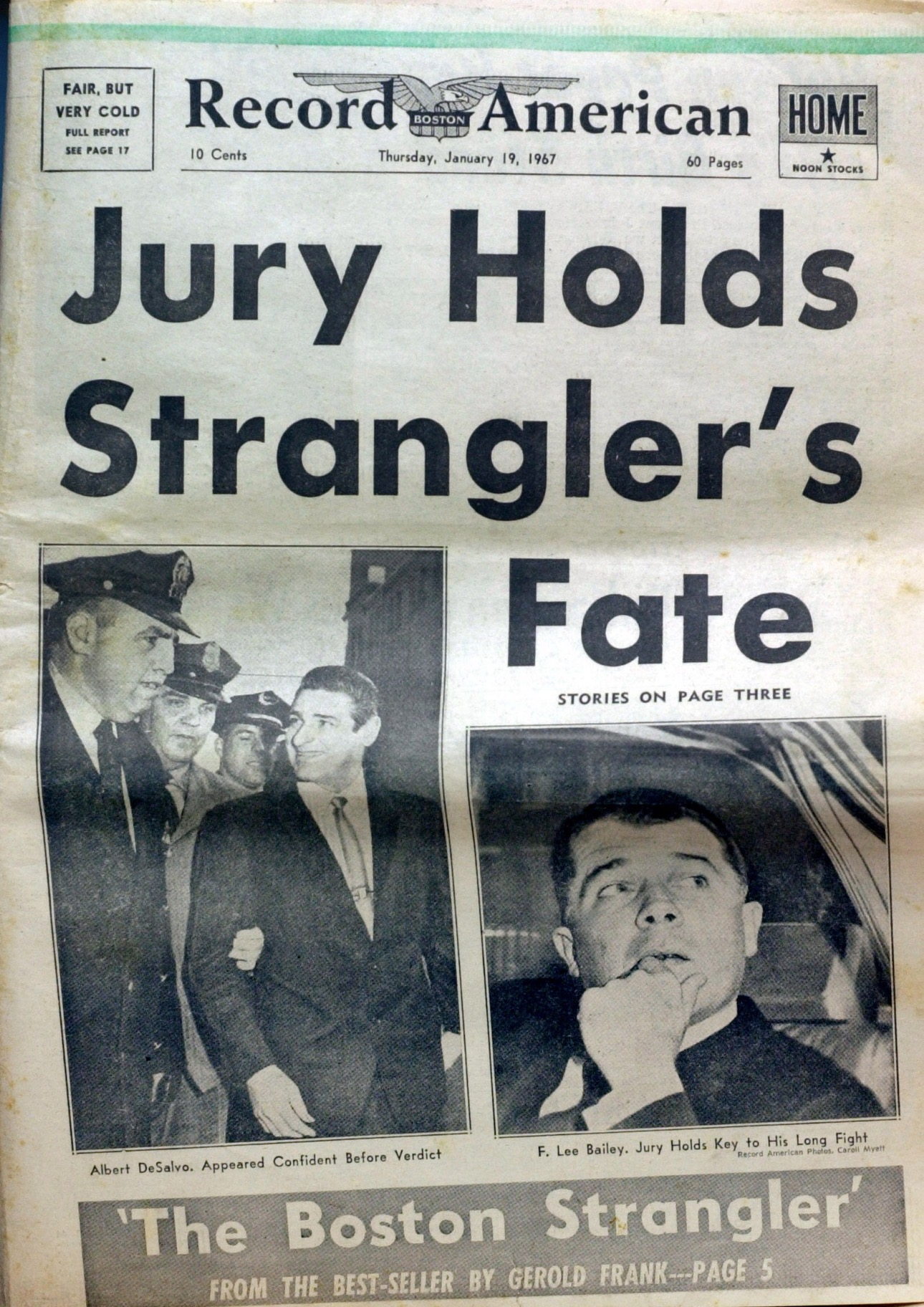
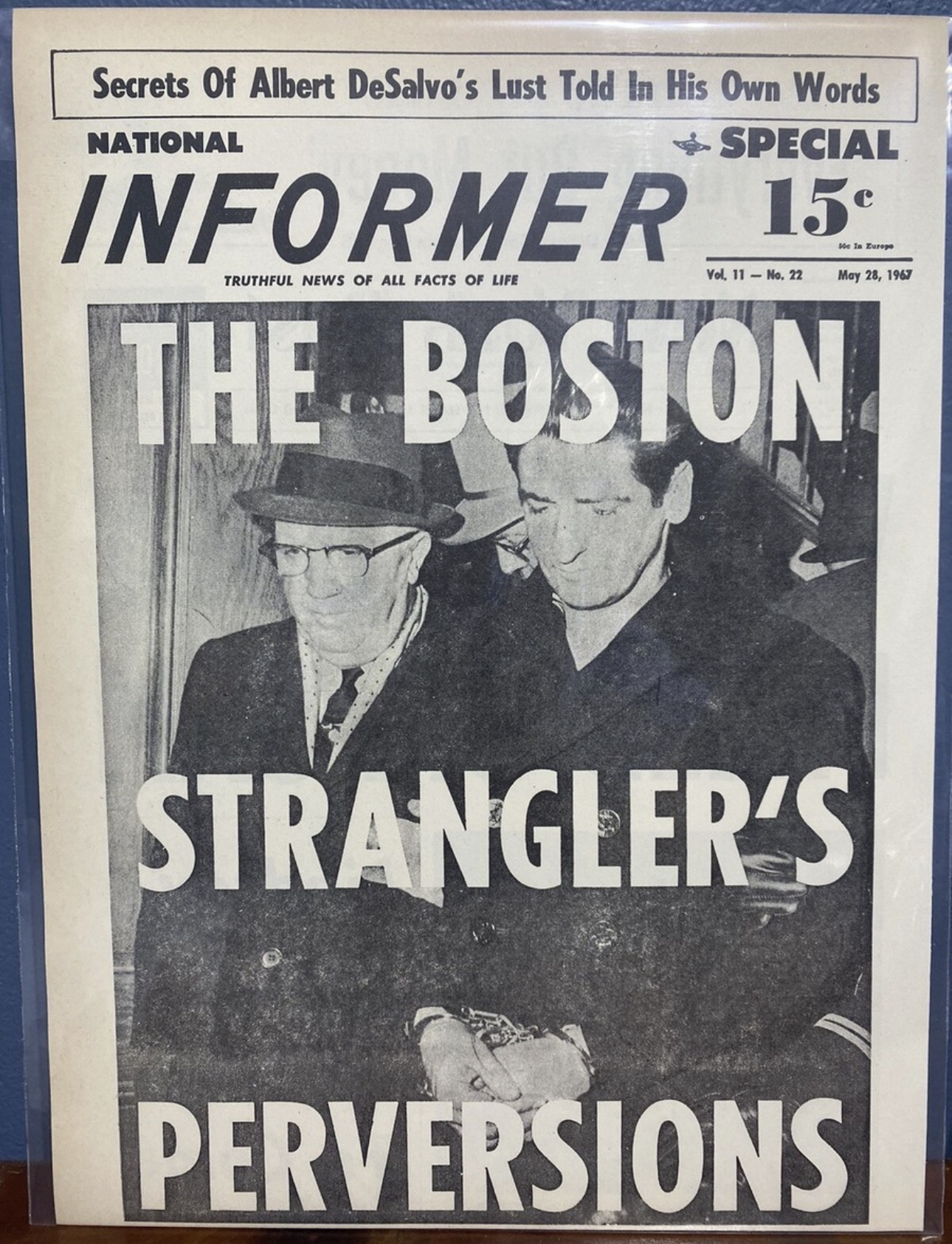
One of the most chilling and mysterious murder cases connected to Boston is the series of killings known as the Boston Strangler murders.
Between 1962 and 1964, thirteen women were murdered in the Boston area under eerily similar circumstances. The killer became known as the “Boston Strangler,” a name that quickly spread through newspapers and television broadcasts.
Although a man named Albert DeSalvo later confessed to the crimes, many investigators and historians still question whether he was truly responsible for all of the murders. The case remains one of the most unsettling criminal mysteries in Boston’s history.
⸻
The First Victims
The first known victim was Anna Slesers, a 55-year-old woman who was found dead in her Boston apartment in June 1962.
Her body showed signs of strangulation, and there were no obvious signs of forced entry. This suggested that the killer may have gained the victim’s trust or pretended to be someone allowed inside the home, such as a maintenance worker.
Over the next two years, more women were found murdered in similar circumstances across the Boston area.
⸻
A Pattern Emerges
Investigators soon realized that many of the killings shared disturbing similarities.
Common elements included: • Victims found strangled • Many victims living alone in apartments • No clear signs of forced entry • Personal items sometimes rearranged at the scene
In several cases, clothing belonging to the victim had been tied into bow-like knots around the neck, which became one of the signature features of the crimes.
The victims ranged widely in age—from 19 to 85 years old—which made profiling the killer extremely difficult.
⸻
Fear Across Boston
As news of the murders spread, fear swept across the city. Women in Boston began taking extraordinary precautions.
Some residents: • Installed new locks and security chains • Refused to open doors to strangers • Organized neighborhood watch groups
Police departments across the region increased patrols and launched one of the largest criminal investigations in the city’s history.
Despite these efforts, the killings continued.
⸻
The Confession
In 1965, a man named Albert DeSalvo confessed to being the Boston Strangler while already in prison for unrelated crimes.
DeSalvo described details of the murders that investigators believed only the killer would know. His confession helped bring some closure to the case.
However, there were problems.
DeSalvo was never formally tried for the Boston Strangler murders, and many investigators questioned parts of his confession. Some details he gave were inaccurate, and critics argued that he may have learned information about the crimes through media reports or police discussions.
⸻
Lingering Doubts
For decades, debate continued over whether DeSalvo was truly responsible for all thirteen killings.
Some investigators believe that: • DeSalvo committed only some of the murders • Multiple killers may have been responsible • Certain crimes were incorrectly linked to the Strangler case
In 2013, DNA evidence connected DeSalvo to the 1964 murder of Mary Sullivan, the final victim in the series. While this confirmed his involvement in at least one killing, questions remain about the earlier murders.
⸻
The Unanswered Questions
Several aspects of the Boston Strangler case remain unresolved.
These include: • Why the victims varied so widely in age • Whether more than one person was responsible • Whether DeSalvo falsely confessed to some crimes
Because of these uncertainties, the Boston Strangler case remains one of the most debated criminal investigations in American history.
⸻
Conclusion
The Boston Strangler murders left a lasting scar on the city of Boston. For years, residents lived with the fear that a killer could enter homes unnoticed and disappear without a trace.
Although modern DNA testing has shed light on part of the mystery, the full story behind the series of murders may never be completely understood. The case remains a haunting reminder of how some crimes continue to puzzle investigators long after they occur.





This is what we do in this community folks. We inspire people and help make dreams come true.
Lol this is beginning to bring back memories of throwing balls at Carnival games and never being able to get inside the hole
😂😂😂😂😂😂😂omfg
Doing that would mess up the aesthetic

Some people say chucky or annabelle were the creepiest toys but i beg to differ
Modern dating be like this.
view more: next ›