this post was submitted on 16 Mar 2026
1 points (100.0% liked)
otherworldly
60 readers
16 users here now
Your hub for paranormal, conspiracy, urban explore and extraterrestrial. We also post about unsolved murders, hidden technologies, and any related subjects. Have fun, be nice and enjoy the memes as well.
founded 1 month ago
MODERATORS
1
Western Demonology: Methods Used to Restrain or Control Demonic Entities (Basic overview)
(hilariouschaos.com)
Introduction
In Western demonology, particularly during the medieval and Renaissance periods, scholars, priests, and occult practitioners developed elaborate systems intended to summon, command, or restrain demonic entities. These traditions were influenced by Jewish mysticism, Christian theology, classical magic texts, and medieval grimoires.
Unlike many spiritual traditions that focus on purification or avoidance of harmful spirits, Western demonology often attempted to force demons into obedience through ritual authority.
Many of these methods were recorded in famous occult manuscripts such as The Lesser Key of Solomon and The Key of Solomon.
⸻
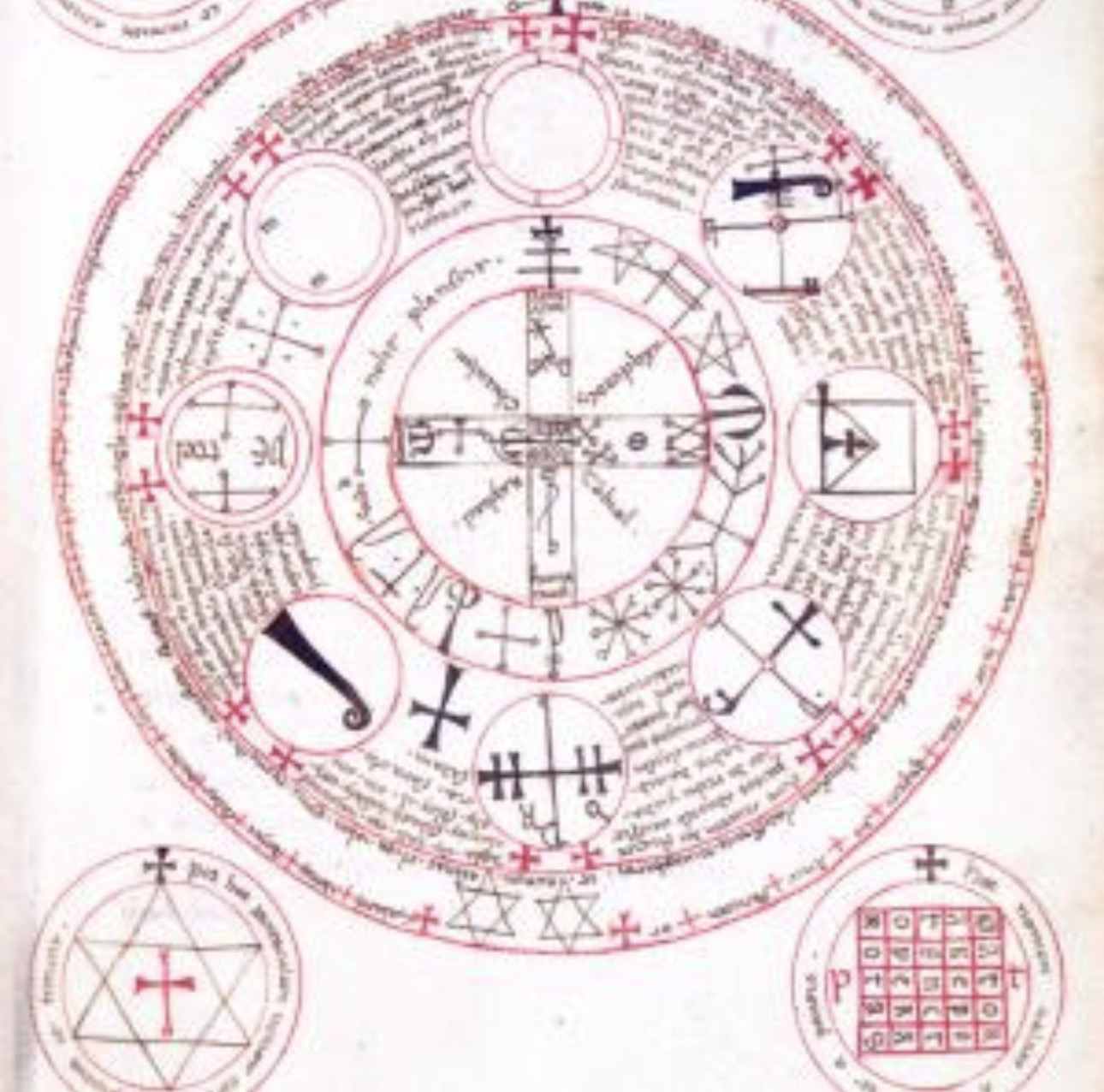
The Magic Circle
One of the most well-known techniques used in Western demonology was the magic circle.
The circle served as a protective barrier between the summoner and the entity being called.
Typical features of these circles included: • Sacred names of God written around the perimeter • Symbols or sigils believed to hold divine authority • Precise geometric shapes meant to contain spiritual forces
The practitioner would stand inside the circle, while the summoned entity was commanded to appear outside the circle in a designated space known as the triangle of manifestation.
The belief was that the demon could not cross the circle without permission, as the divine names acted as a spiritual constraint.
⸻
The Triangle of Manifestation
Another important element of ritual demonology was the triangle, sometimes called the Triangle of Art.
The triangle was placed outside the circle and marked with sacred names or symbols.
Its purpose was to force the entity to appear in a specific location where it could be controlled or questioned.
According to the grimoires: • The magician remained inside the circle • The demon was compelled to manifest within the triangle • The triangle prevented the entity from wandering freely
This structure created a controlled environment for summoning.
⸻
Sigils and Demon Seals
Each demon described in grimoires such as the Ars Goetia was believed to possess a unique sigil, or symbolic seal.
These sigils served several purposes: • Identifying the specific entity being summoned • Acting as a spiritual “key” to call the demon • Binding or commanding the entity during the ritual
Practitioners often engraved or drew these seals onto metal plates, parchment, or ritual tools.
The sigil functioned like a spiritual signature connected to that particular entity.
⸻
The Use of Divine Authority
One of the central principles in Western demonology is that humans cannot control demons by their own power.
Instead, the magician invokes divine authority.
Rituals often included: • Biblical prayers • Invocations of God’s names • References to angels
The magician would command the demon in the name of God or through the authority of sacred figures such as King Solomon.
According to tradition, Solomon was given a ring by God that allowed him to command demons and force them to build the Temple in Jerusalem.
⸻
Binding and Containment Rituals
Some rituals in medieval demonology focused specifically on binding an entity after it was summoned.
These rituals sometimes involved: • Written contracts • Sacred seals placed over containers or objects • Ritual commands forcing the demon to depart or remain bound
Certain grimoires described demons being trapped inside rings, bottles, or sealed vessels, though historians debate whether these stories were symbolic or literal.
⸻
Exorcism
While ceremonial magic sought to command demons, Christian exorcism traditions focused on driving them out of people or locations.
Exorcism rituals often involved: • Recitation of prayers • Invocation of saints or angels • Religious symbols such as crucifixes
One of the most famous texts used in these rituals is the Roman Ritual, which includes formal procedures for exorcism.
⸻
Famous Demons in Western Demonology
Many grimoires list detailed descriptions of demons, their ranks, and the powers they supposedly grant.
One of the most famous collections appears in the Ars Goetia, which describes 72 demons said to have been controlled by King Solomon.
Examples include: • Bael – said to grant invisibility • Paimon – associated with knowledge and secrets • Buer
These descriptions were part mythology, part occult symbolism.
⸻
Historical Perspective
Most historians view medieval demonology as a mixture of: • Religious belief • symbolic ritual systems • philosophical ideas about good and evil
There is no scientific evidence that demons can be summoned or controlled, and these practices are generally studied today as historical or cultural phenomena rather than literal methods.
However, the imagery and concepts of Western demonology have had a huge influence on literature, horror stories, and modern occult traditions.
⸻
Conclusion
Western demonology developed a complex ritual framework designed to summon and control supernatural entities. Through tools such as magic circles, sigils, sacred names, and protective rituals, practitioners believed they could safely interact with dangerous spiritual forces.
While these practices are now mostly understood as historical traditions rather than literal techniques, they continue to influence modern occult studies and popular culture.
there doesn't seem to be anything here