Introduction
One of the most chilling and mysterious murder cases connected to Boston is the series of killings known as the Boston Strangler murders.
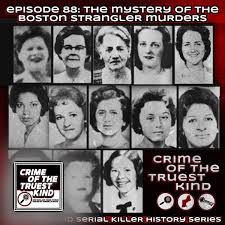
Between 1962 and 1964, thirteen women were murdered in the Boston area under eerily similar circumstances. The killer became known as the “Boston Strangler,” a name that quickly spread through newspapers and television broadcasts.
Although a man named Albert DeSalvo later confessed to the crimes, many investigators and historians still question whether he was truly responsible for all of the murders. The case remains one of the most unsettling criminal mysteries in Boston’s history.
⸻
The First Victims
The first known victim was Anna Slesers, a 55-year-old woman who was found dead in her Boston apartment in June 1962.
Her body showed signs of strangulation, and there were no obvious signs of forced entry. This suggested that the killer may have gained the victim’s trust or pretended to be someone allowed inside the home, such as a maintenance worker.
Over the next two years, more women were found murdered in similar circumstances across the Boston area.
⸻
A Pattern Emerges
Investigators soon realized that many of the killings shared disturbing similarities.
Common elements included: • Victims found strangled • Many victims living alone in apartments • No clear signs of forced entry • Personal items sometimes rearranged at the scene
In several cases, clothing belonging to the victim had been tied into bow-like knots around the neck, which became one of the signature features of the crimes.
The victims ranged widely in age—from 19 to 85 years old—which made profiling the killer extremely difficult.
⸻
Fear Across Boston
As news of the murders spread, fear swept across the city. Women in Boston began taking extraordinary precautions.
Some residents: • Installed new locks and security chains • Refused to open doors to strangers • Organized neighborhood watch groups
Police departments across the region increased patrols and launched one of the largest criminal investigations in the city’s history.
Despite these efforts, the killings continued.
⸻
The Confession
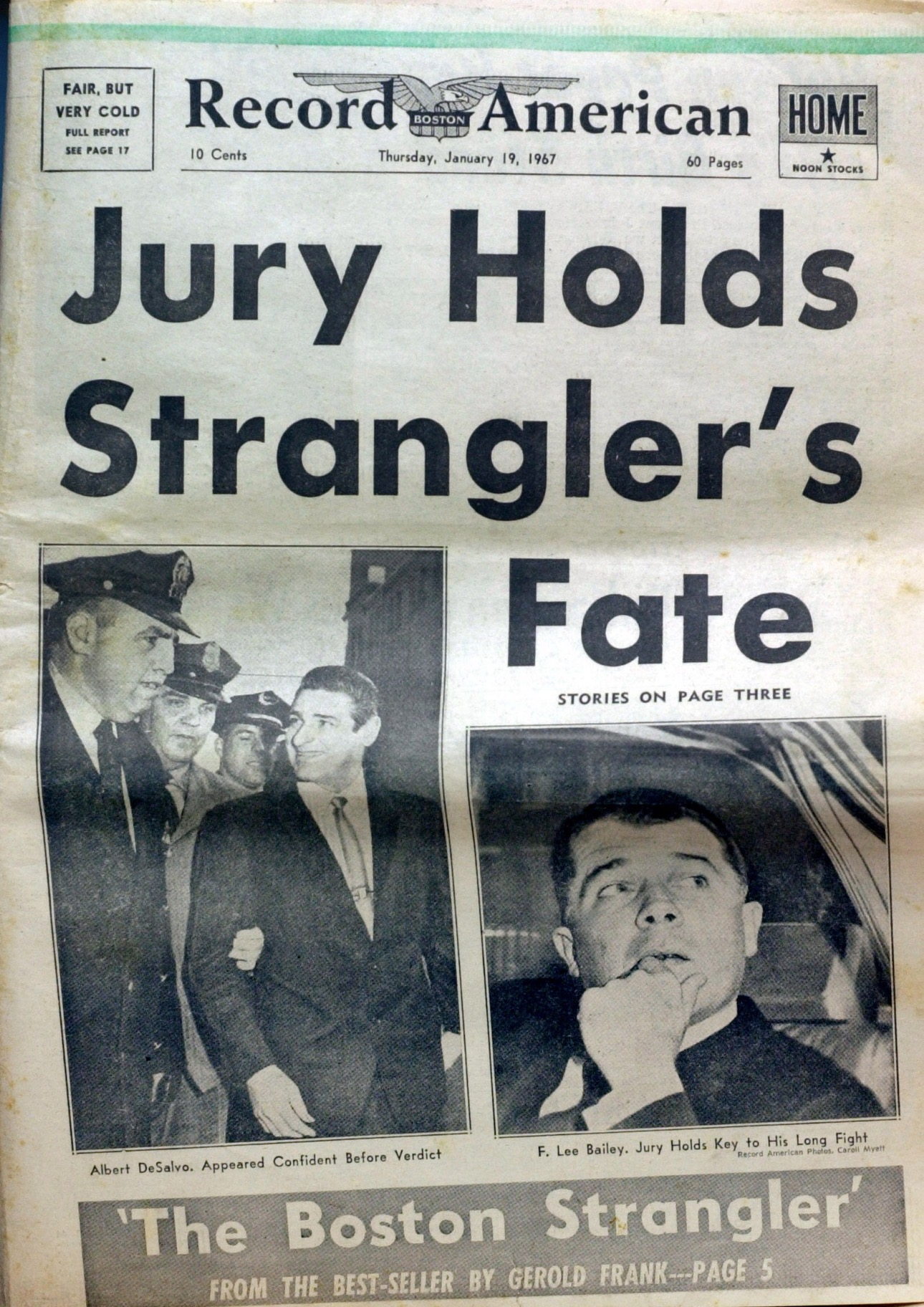
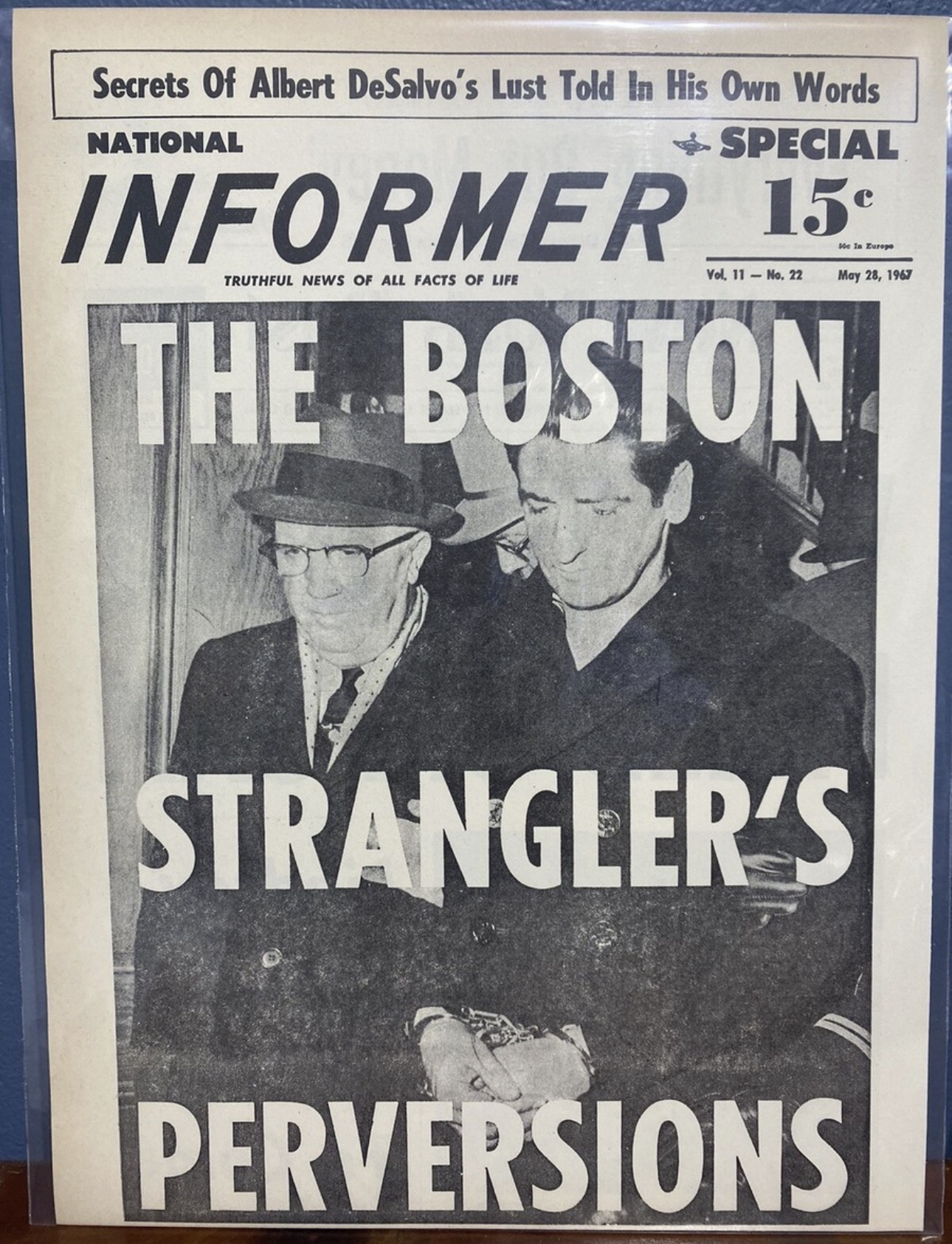
In 1965, a man named Albert DeSalvo confessed to being the Boston Strangler while already in prison for unrelated crimes.
DeSalvo described details of the murders that investigators believed only the killer would know. His confession helped bring some closure to the case.
However, there were problems.
DeSalvo was never formally tried for the Boston Strangler murders, and many investigators questioned parts of his confession. Some details he gave were inaccurate, and critics argued that he may have learned information about the crimes through media reports or police discussions.
⸻
Lingering Doubts
For decades, debate continued over whether DeSalvo was truly responsible for all thirteen killings.
Some investigators believe that: • DeSalvo committed only some of the murders • Multiple killers may have been responsible • Certain crimes were incorrectly linked to the Strangler case
In 2013, DNA evidence connected DeSalvo to the 1964 murder of Mary Sullivan, the final victim in the series. While this confirmed his involvement in at least one killing, questions remain about the earlier murders.
⸻
The Unanswered Questions
Several aspects of the Boston Strangler case remain unresolved.
These include: • Why the victims varied so widely in age • Whether more than one person was responsible • Whether DeSalvo falsely confessed to some crimes
Because of these uncertainties, the Boston Strangler case remains one of the most debated criminal investigations in American history.
⸻
Conclusion
The Boston Strangler murders left a lasting scar on the city of Boston. For years, residents lived with the fear that a killer could enter homes unnoticed and disappear without a trace.
Although modern DNA testing has shed light on part of the mystery, the full story behind the series of murders may never be completely understood. The case remains a haunting reminder of how some crimes continue to puzzle investigators long after they occur.