Overview
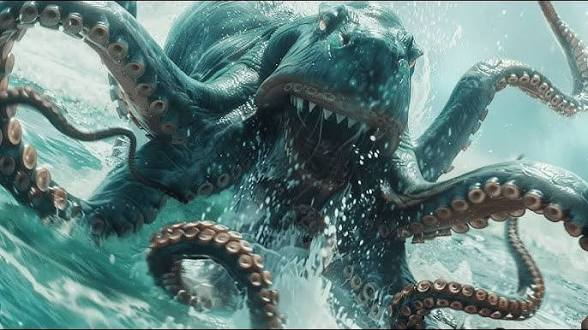
Among the lesser-known cryptids of the Caribbean is the Lusca, a massive sea creature reported throughout the Bahamas and occasionally in waters near Haiti and Hispaniola. Descriptions usually portray it as a giant octopus or octopus-shark hybrid capable of dragging boats or swimmers into deep underwater caves.
Unlike many land-based cryptids, the Lusca belongs to a category of marine folklore monsters, where sightings occur in areas with deep blue holes, underwater caverns, and sudden ocean drop-offs—features common throughout the northern Caribbean.
⸻
Physical Description
Witness reports and folklore descriptions are fairly consistent: • Size: Often said to reach 20–75 feet in length. • Body: Octopus-like mantle with long tentacles. • Color: Dark purple, reddish, or black. • Eyes: Large, reflective eyes adapted to deep water. • Movement: Silent, gliding motion through underwater caves.
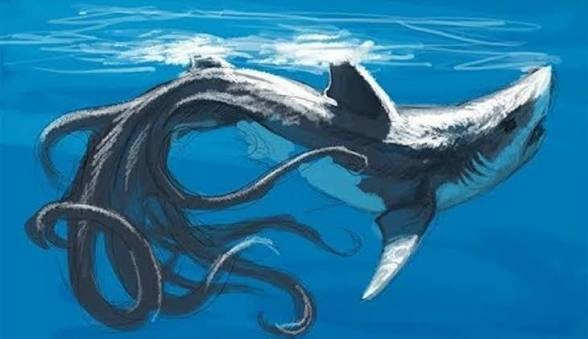
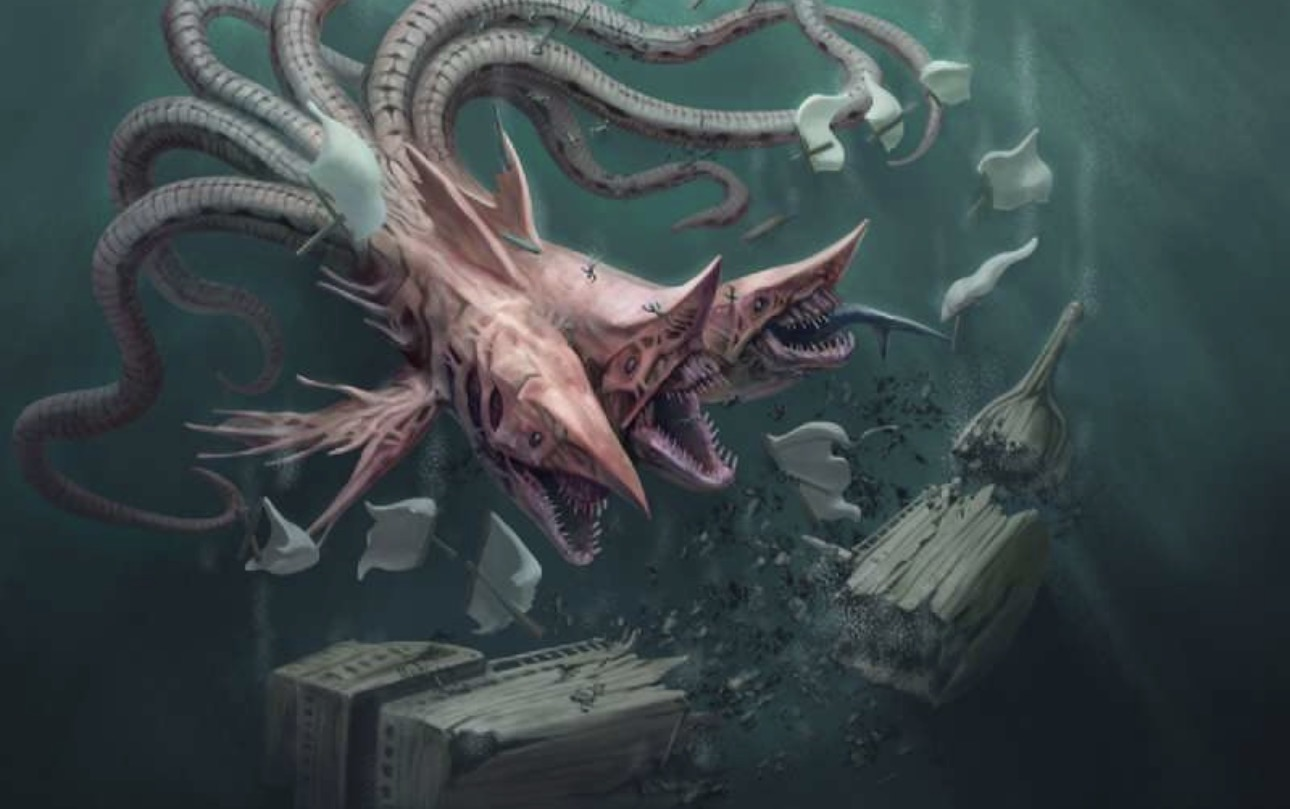
Some versions claim the creature has a shark-like head with tentacles, while others describe it as simply an enormous octopus.
⸻
Haitian Waters and Sightings
Although the creature is most famous around the Bahamas’ blue holes, stories circulate in coastal communities around northern Haiti and the Windward Passage.
Fishermen sometimes tell of: • Nets pulled violently underwater • Sudden whirlpools near coastal caves • Large tentacles briefly appearing near the surface
Many of these reports occur near deep limestone sinkholes or submarine caves, which are abundant along Haiti’s northern coastline.
Because these underwater caverns connect to the open ocean, they create environments where large marine animals could remain hidden for long periods.
⸻
Possible Natural Explanations
Researchers usually suggest several realistic explanations.
- Giant Pacific-Style Octopus Relatives
The giant Pacific octopus can reach 16 feet across, and larger species could theoretically exist in deep Atlantic waters. A specimen much larger than normal could inspire Lusca legends.
- Giant Squid Encounters
Rarely seen giant squids inhabit deep waters and occasionally surface. Their long tentacles and size could easily produce frightening sightings.
- Underwater Cave Currents
Blue holes and sinkholes can create powerful downward currents, strong enough to pull swimmers underwater—possibly giving rise to stories of a creature dragging victims below.
⸻
Role in Caribbean Folklore
In coastal folklore the Lusca is often treated less as a simple animal and more as a warning spirit of the sea.
Common themes include: • It punishes those who fish recklessly. • It guards underwater caves or lost treasure. • It attacks during storms or at night.
Because fishing communities depend heavily on ocean safety traditions, these stories often serve as cautionary tales about dangerous waters.
⸻
Modern Interest
Today the Lusca appears in: • Cryptozoology discussions • Caribbean folklore collections • Documentaries about ocean mysteries • Horror and adventure fiction
Despite modern sonar mapping and deep-sea exploration, large portions of the Caribbean seabed remain unexplored, leaving plenty of room for speculation.
⸻
✅ Bottom line: The Lusca likely comes from exaggerated encounters with large cephalopods, dangerous ocean currents, and the mystery of deep underwater caves. But like many cryptids, the story persists because the ocean still hides far more than humans have ever seen.
Sharktopus lives!!!
Modern dating be like this.