I tried it and didn't like it. Maybe I was expecting it to be more like Elder Scrolls games and it's not; I haven't played other games in the genre either. The combat felt clunky to me, though I've heard that it's better to think of it as a rhythm game. I like dark fantasy, but didn't quite connect with the worldbuilding either, maybe because it felt like a zombie game dressed up as fantasy. It's also a minor thing, but was also obviously made for console and ported to PC so felt a little weird.
m_f
Thought this was a good article, a little something for everyone. Even if you're fervently anti-AI, it talks about the dissimilarities between digital and analog, and limitations of the current approach.
I was curious, this is what etymonline says:
1758, genus name of a type of eight-armed cephalopod mollusks, from Latinized form of Greek oktōpous, literally "eight-foot," from oktō "eight" (see eight) + pous "foot," from PIE root *ped- "foot."
The more usual Greek word seems to have been polypous (also pōlyps), from polys "many" + pous, but Thompson ["Glossary of Greek Fishes," 1947] suggests this word is folk-etymologized and of non-Hellenic origin.
The modern English representation of the classically correct Greek plural (had the word been so used in ancient Athens) would be octopodes. The common plural octopi (1817) regards the -us in this word as the Latin noun ending that takes -i in plural. As with many modern scientific creature-names, it was coined in Modern Latin from Greek elements, so it might be allowed to partake of Latin grammar in forming the plural. But probably the best policy for common words is to follow the grammar of the living language using them, and octopuses goes best in plain English (unless one wishes also to sanction diplodoci for the dinosaurs).
Used figuratively since at least 1882 of powers having far-reaching influence (usually as considered harmful and destructive). To the ancients, the octopus was crafty and dangerous, thrifty (stores food in its nest), and proverbial of clever and adaptable men, based on the animal's instinct of changing color when frightened or for disguise.
It also was thought to be amphibious and to climb trees near shores to steal grapes and olives (the giant ones were said to raid whole warehouses). Thompson writes that "the eggs look remarkably like ripe olives; hence the story."
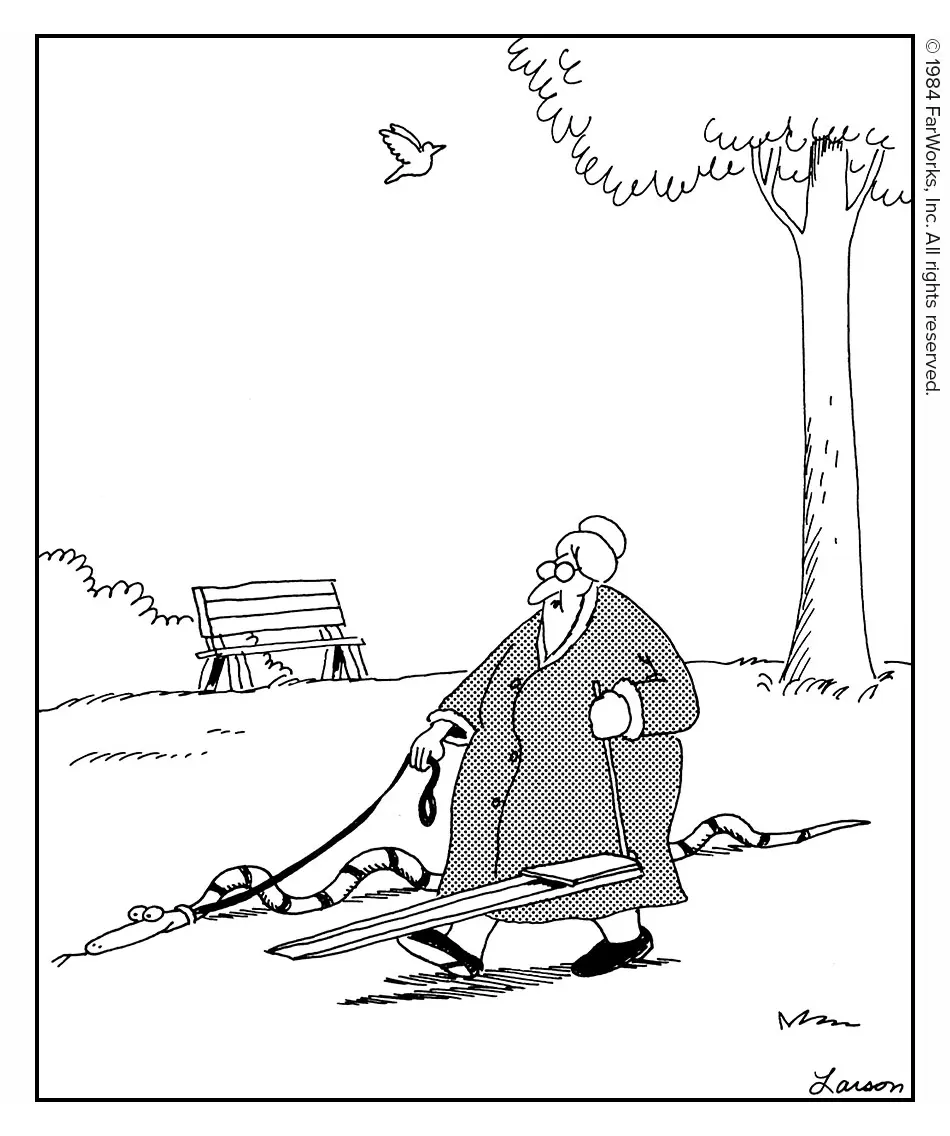
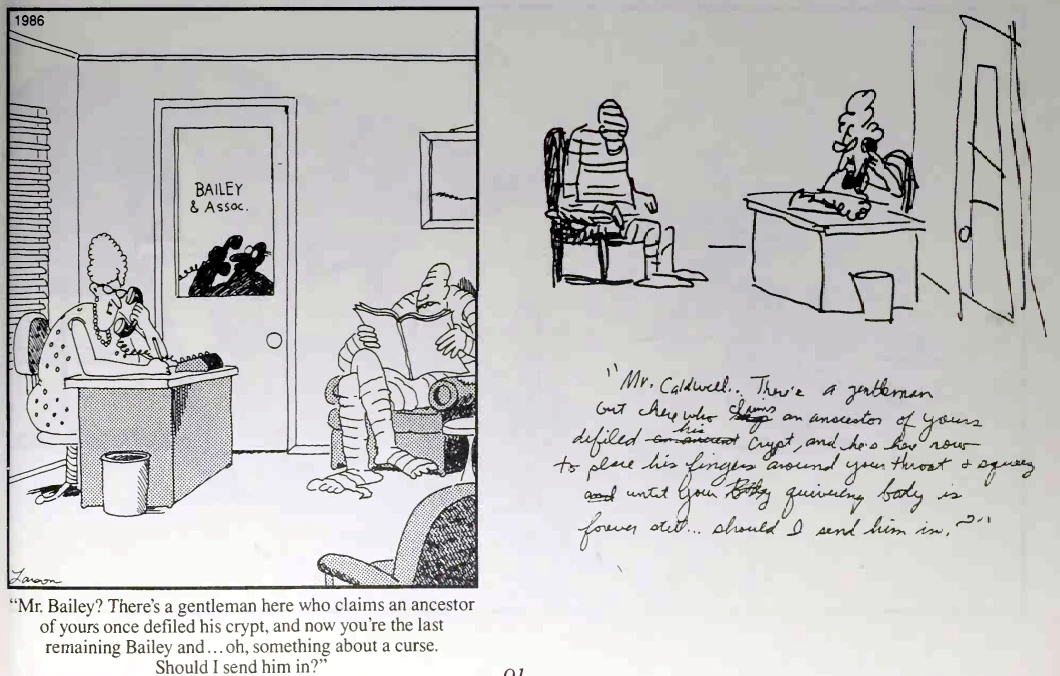
Some context on this comic:

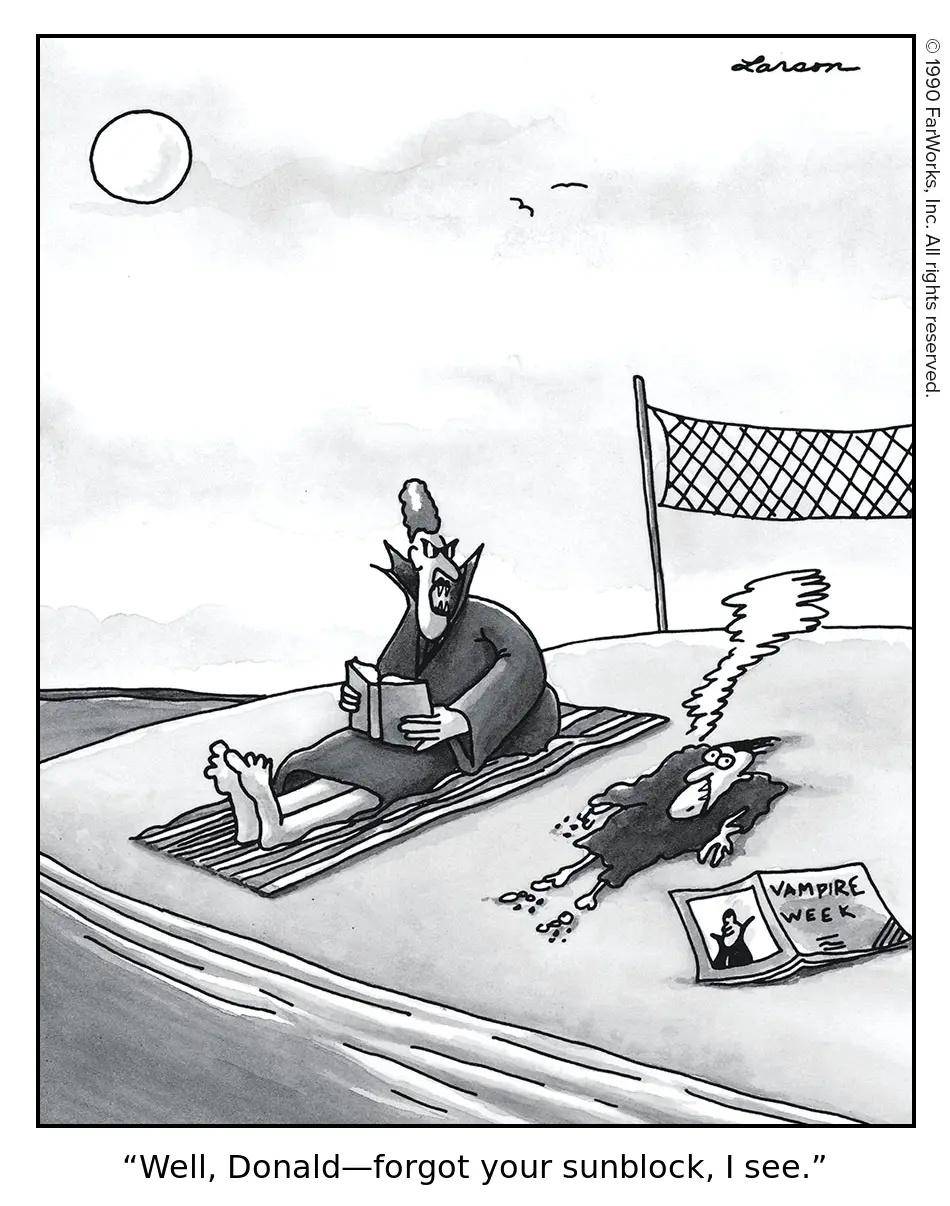
Transcript (sketch):
"Mr. Caldwell.. There's a gentleman out here who claims an ancestor of yours defiled his crypt, and he's here now to place his fingers around your throat & squeeze until your quivering body is forever still... should I send him in?"
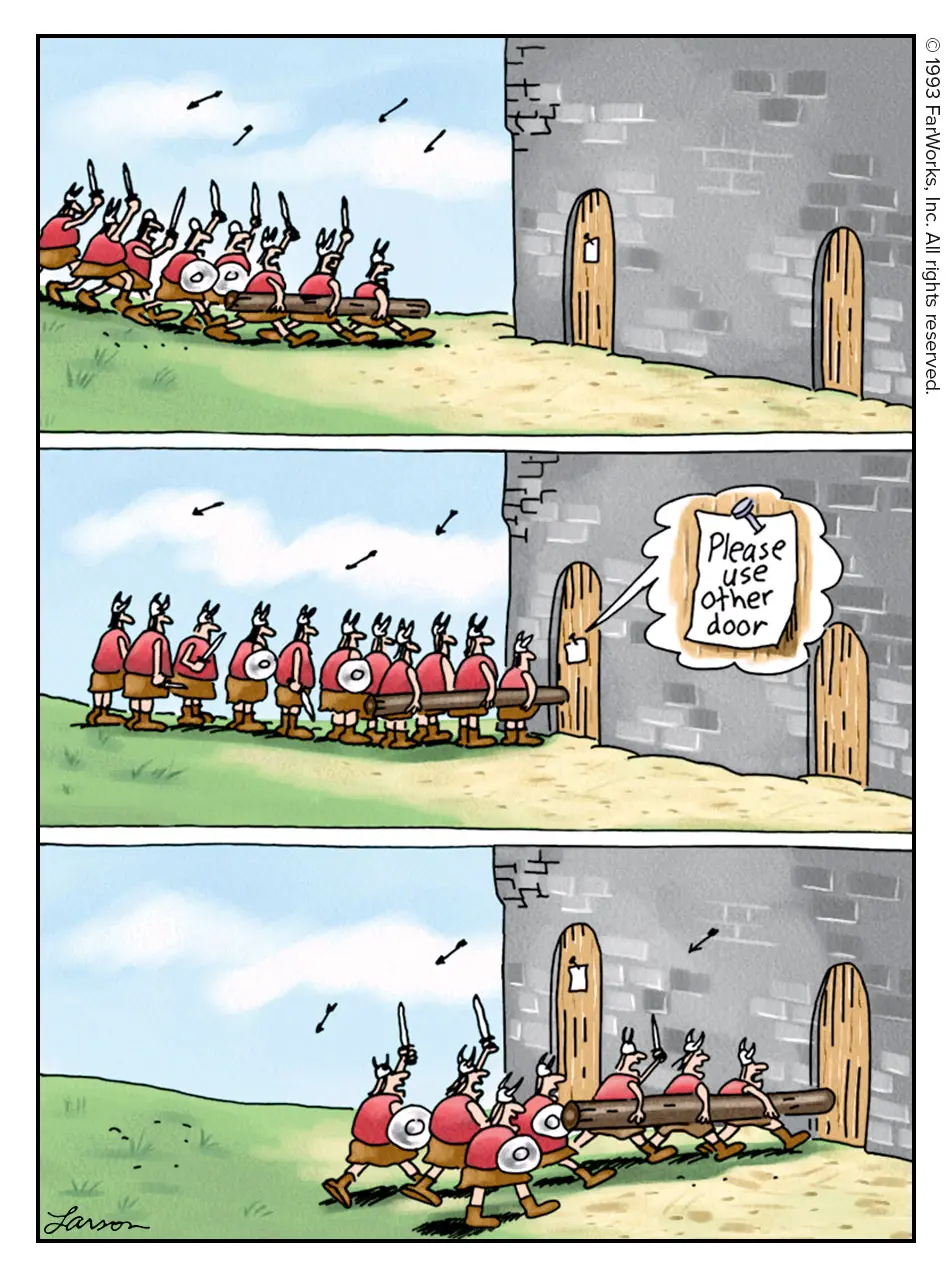
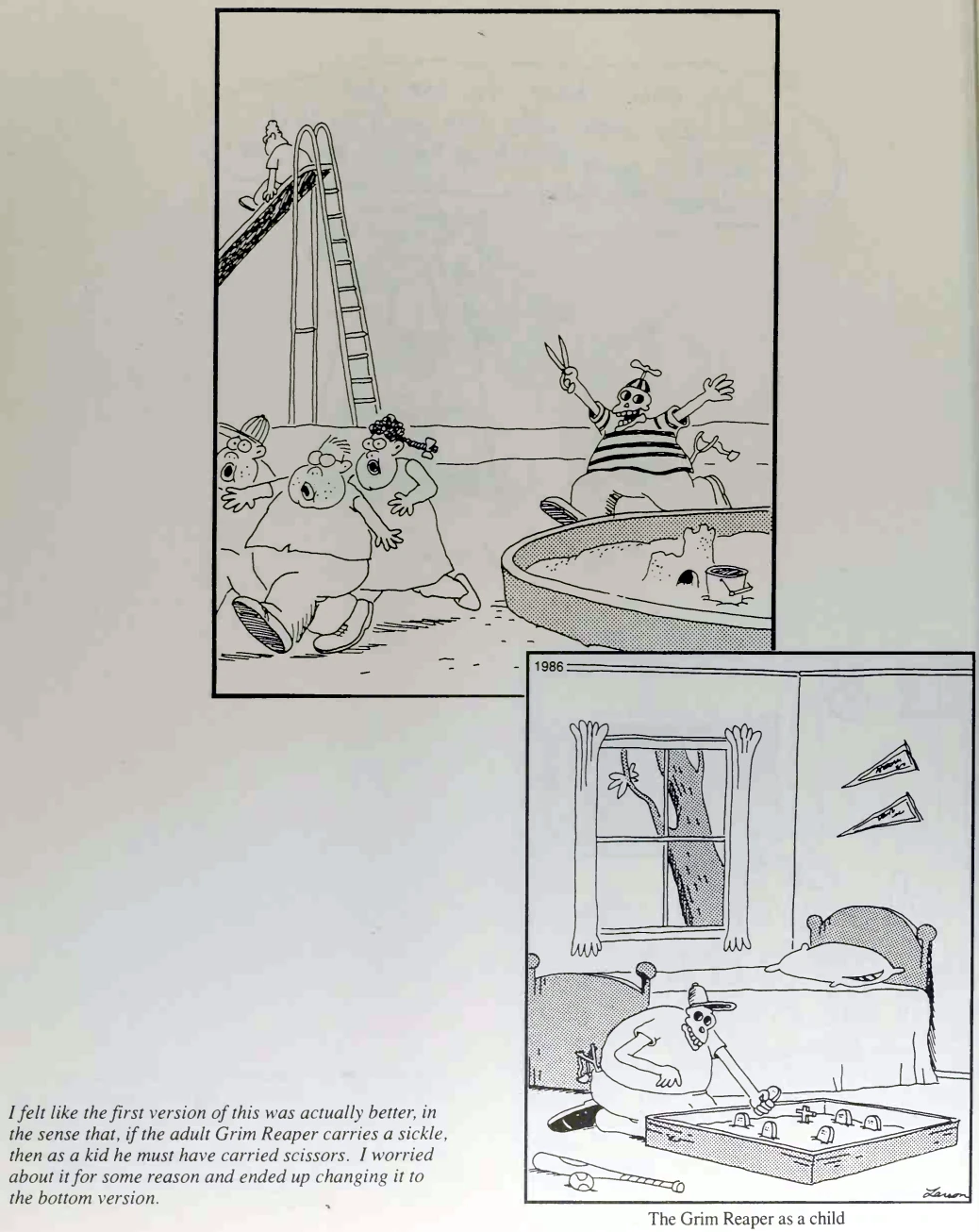
Some context on this comic:

Transcript:
I felt like the first version of this was actually better, in the sense that, if the adult Grim Reaper carries a sickle, then as a kid he must have carried scissors. I worried about it for some reason and ended up changing it to the bottom version.
syllapodes
Do you think it's the body shape that makes her attractive? Is her longer, slimmer nose (snout?) considered more beautiful? Or is it just the clothing/jewelry/makeup? Does Moominvalley also have a problem with unrealistic body standards? Am I having too much fun overanalyzing this? Probably.
Do we ever get the horse's name? Very smart to just chill in the water and let this play out.
You do run the risk of ending up with lots of glass shards in your beer that way. Or at least I do, maybe it's a skill issue
Now we're victim blaming poor old Chuck smh my head

Thanks, I'll check it out!