This decade old electric cooler box gave up the ghost around 2 years ago, with the indoor outlet plug no longer working. The independent 12v input was still operational, so I kept it with the intention of eventually fixing it...
And two years later, this is the eventually 😅. The integrated 10v ~45w unit had failed short on the primary side, with a burnt out Y-capacitor and some fried zeners. I started removing bits from the board to try and find all the broken components... but ended up letting out the magic smoke in the process, oops!
I set out looking for a new power supply, and came across a 12v 45w unit from Meanwell. It was actually smaller than the cooler's original power supply too, meaning more internal space to use later 🤫
Spoiler
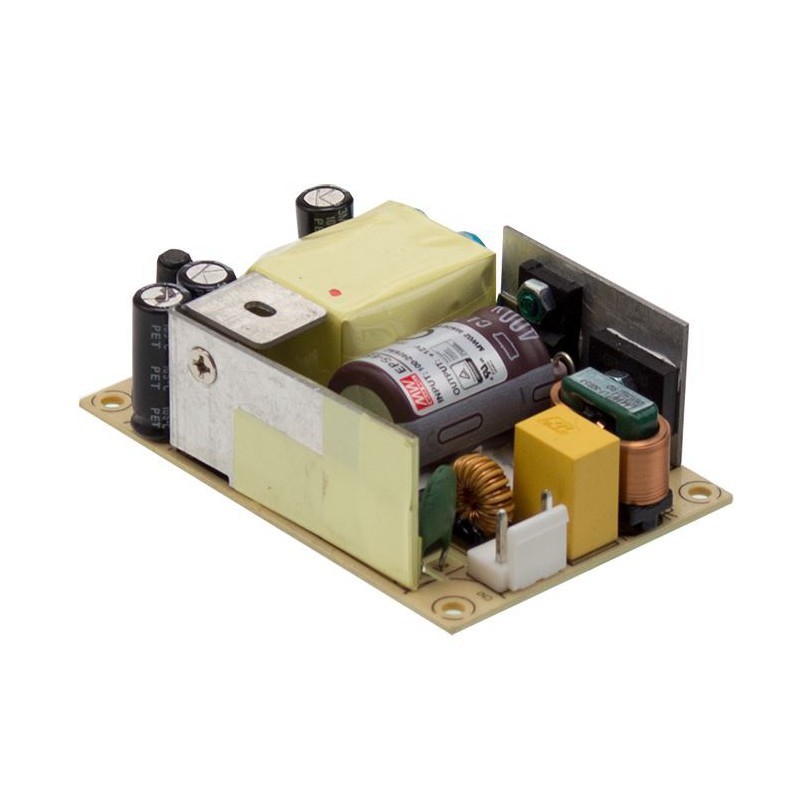
After searching for a distributor that was actually willing to ship it to a home address, I ordered, and boom:
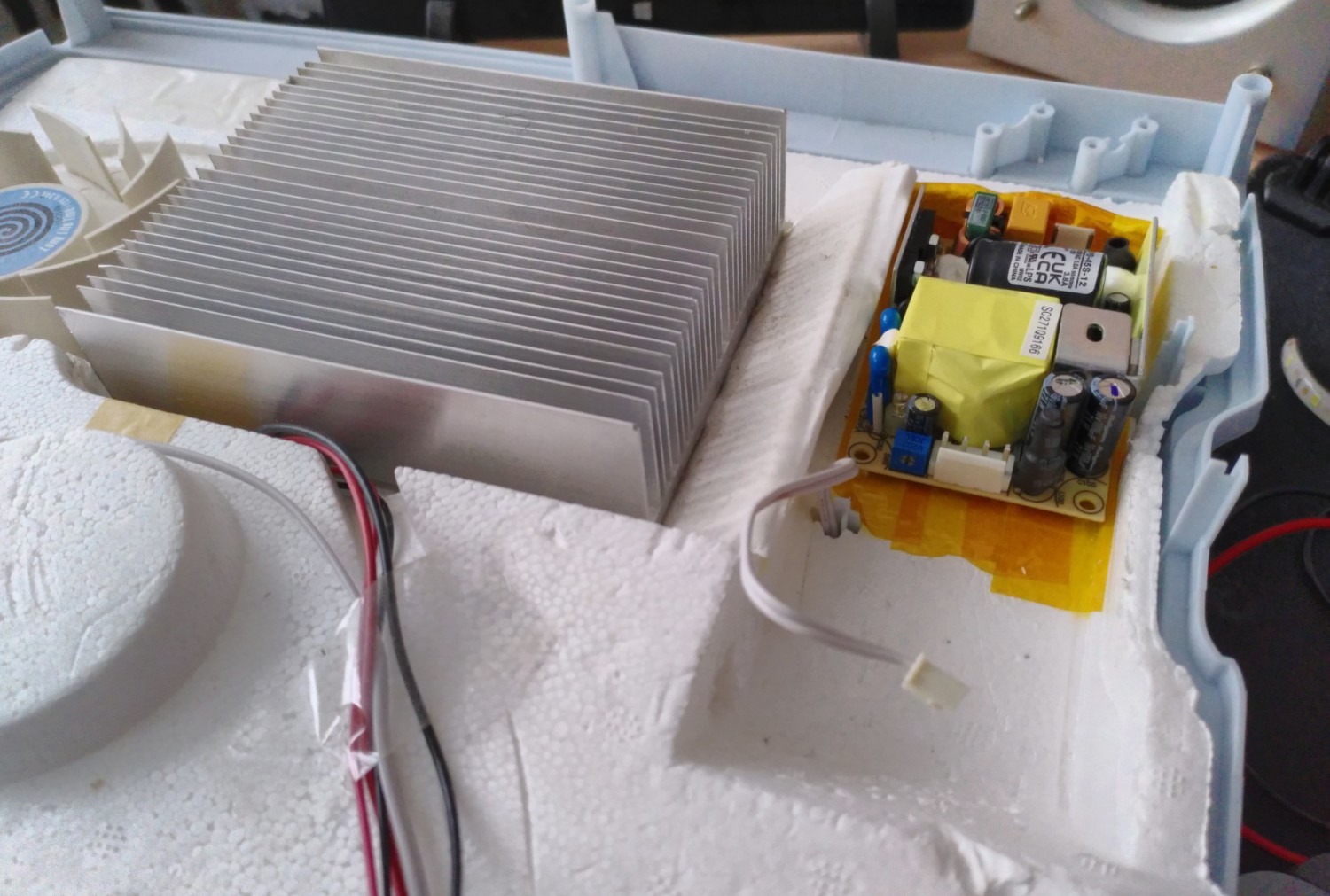
It's so tiny compared to the original.
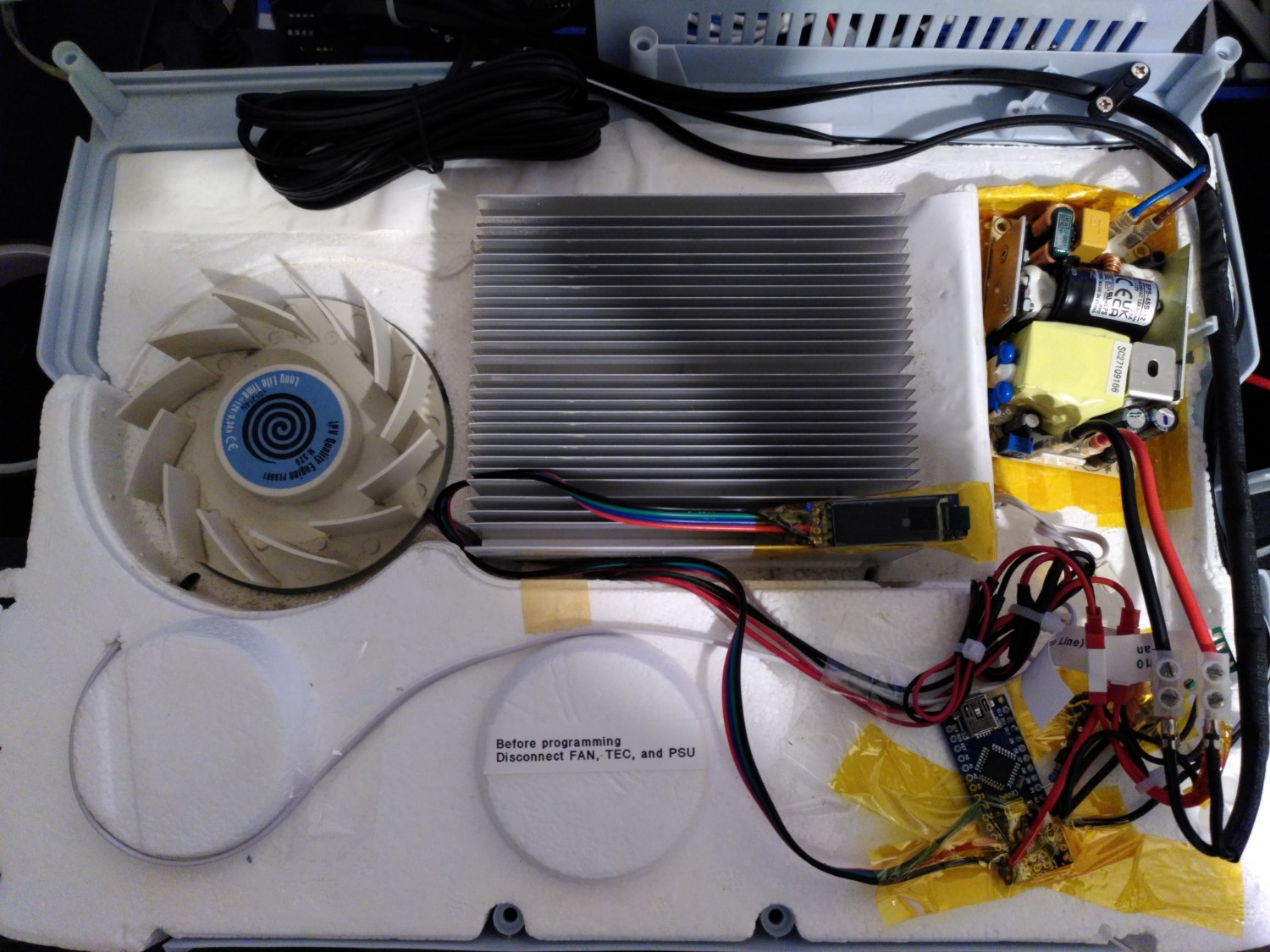
Next I installed an Arduino Nano to control the TEC/peltier module & fan via a cheap LED repeater. I was hoping to reuse the internal temperature sensors, but left them disconnected for now
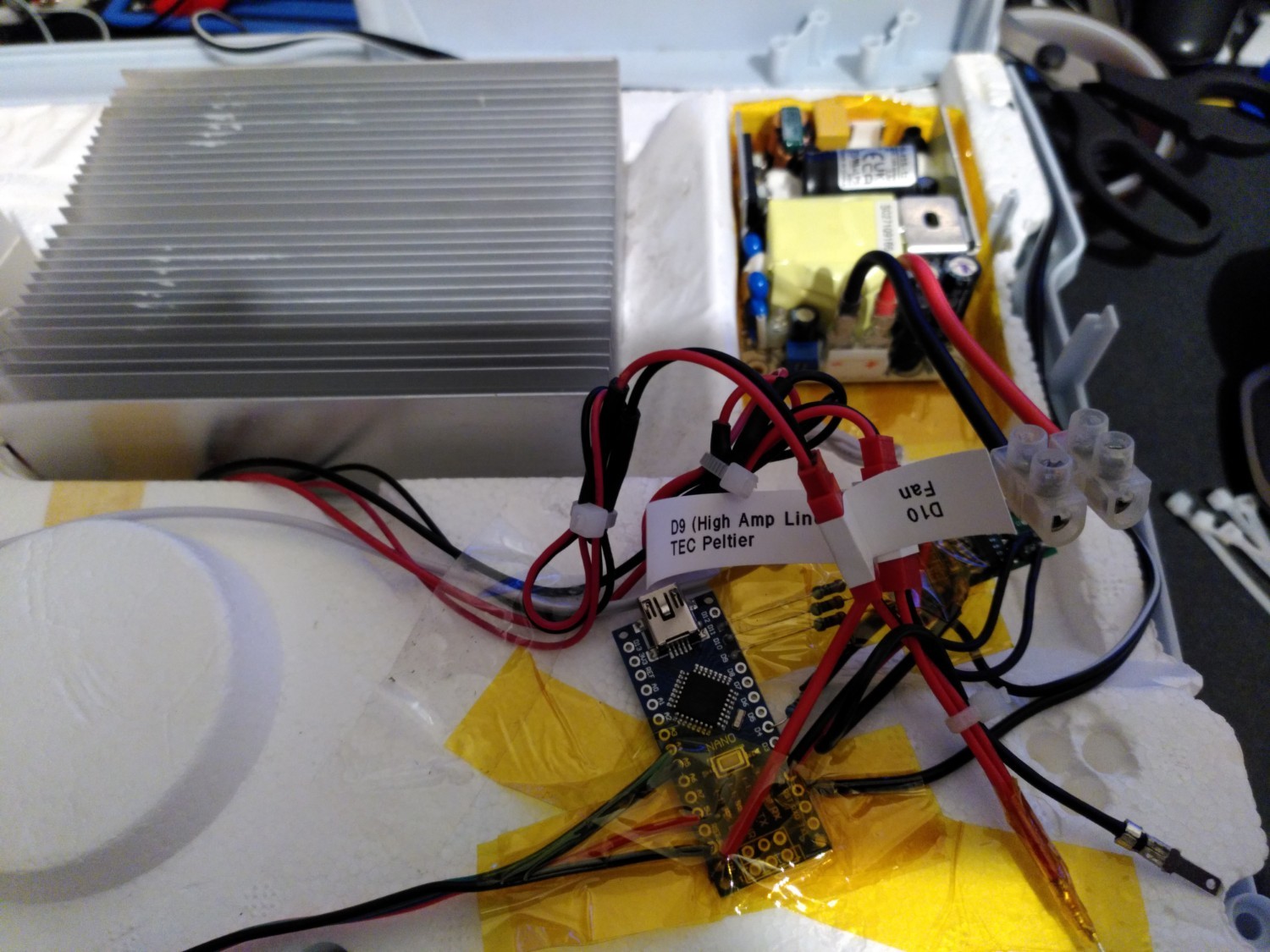
After hours writing the arduino code, I finally got it into a usable state. There were issues with brownouts rebooting the Arduino, however with the Meanwell supply in-circuit those mysteriously stopped.
There are 3 power modes now for the module: 30W, 40W and 50W - with the first two using PWM, and the last one giving it all the beans. I wanted to PWM control the fan too, but decided against it since it sounded absolutely terrible at whatever PWM frequency the Nano is using.
It powers on to 40W by default, which is under the 45W max rating of the PSU.
Everything looks good so far running from the bench supply:
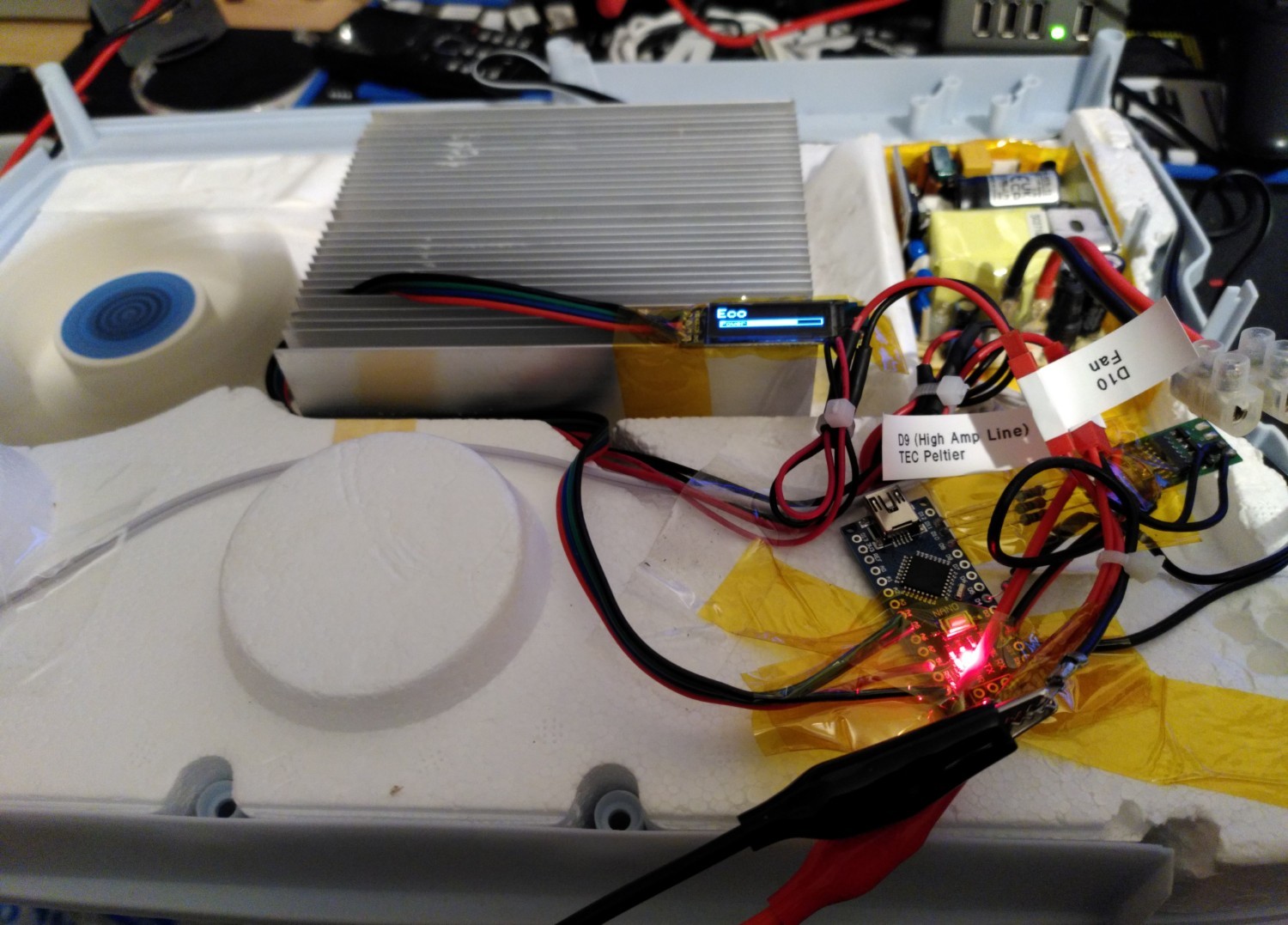
Now all that was left was to connect the internal supply, and the 12v vehicle input. I was actually supposed to use JST connectors for the Meanwell psu, but didn't have anything on hand - so improvised with crimping spade terminals and friction fitting those on
And the moment of truth. Up until this point I hadn't actually checked if the replacement psu was working or not
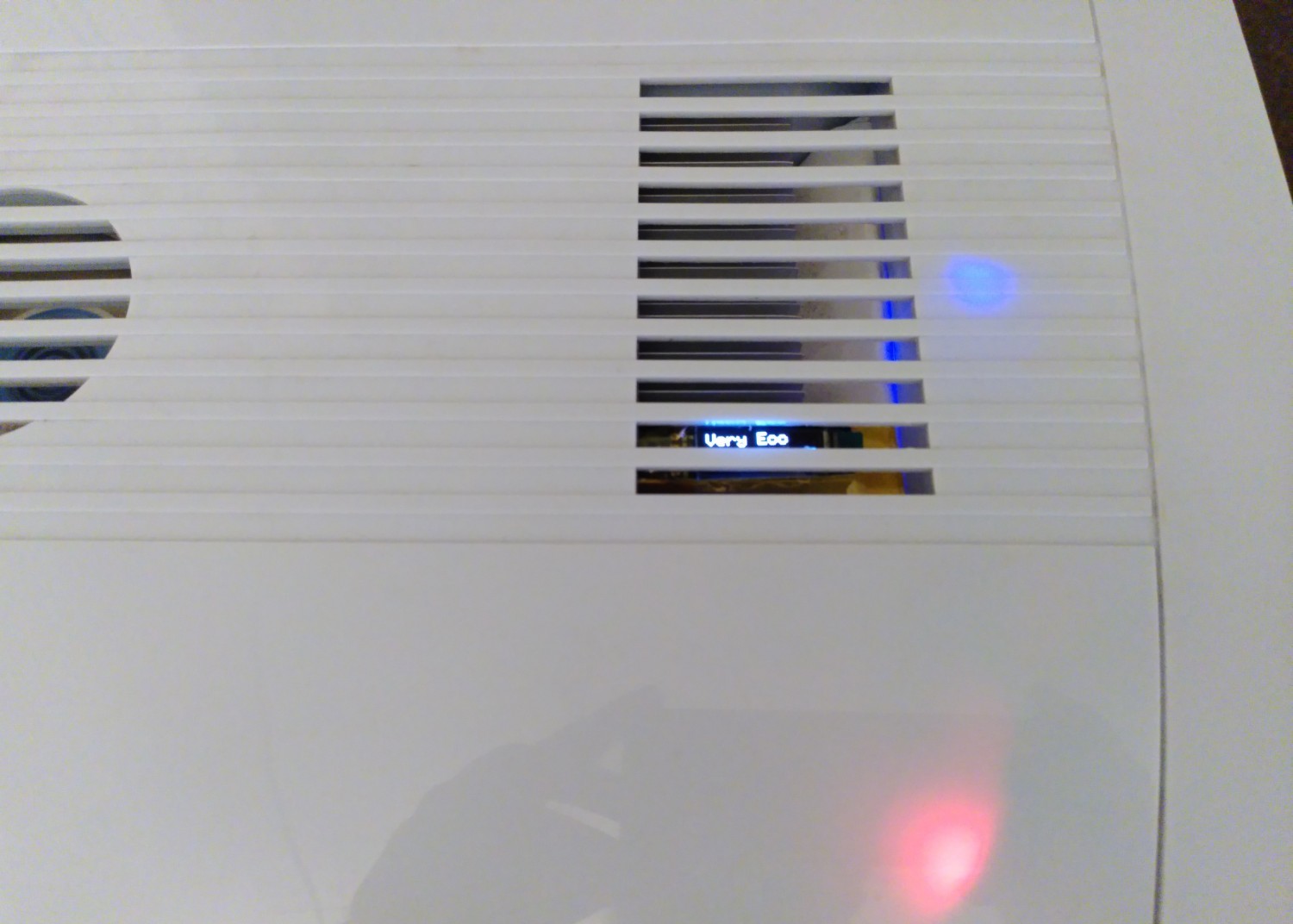
Looking good! I don't really like the LEDs though, so might do something about those in future.
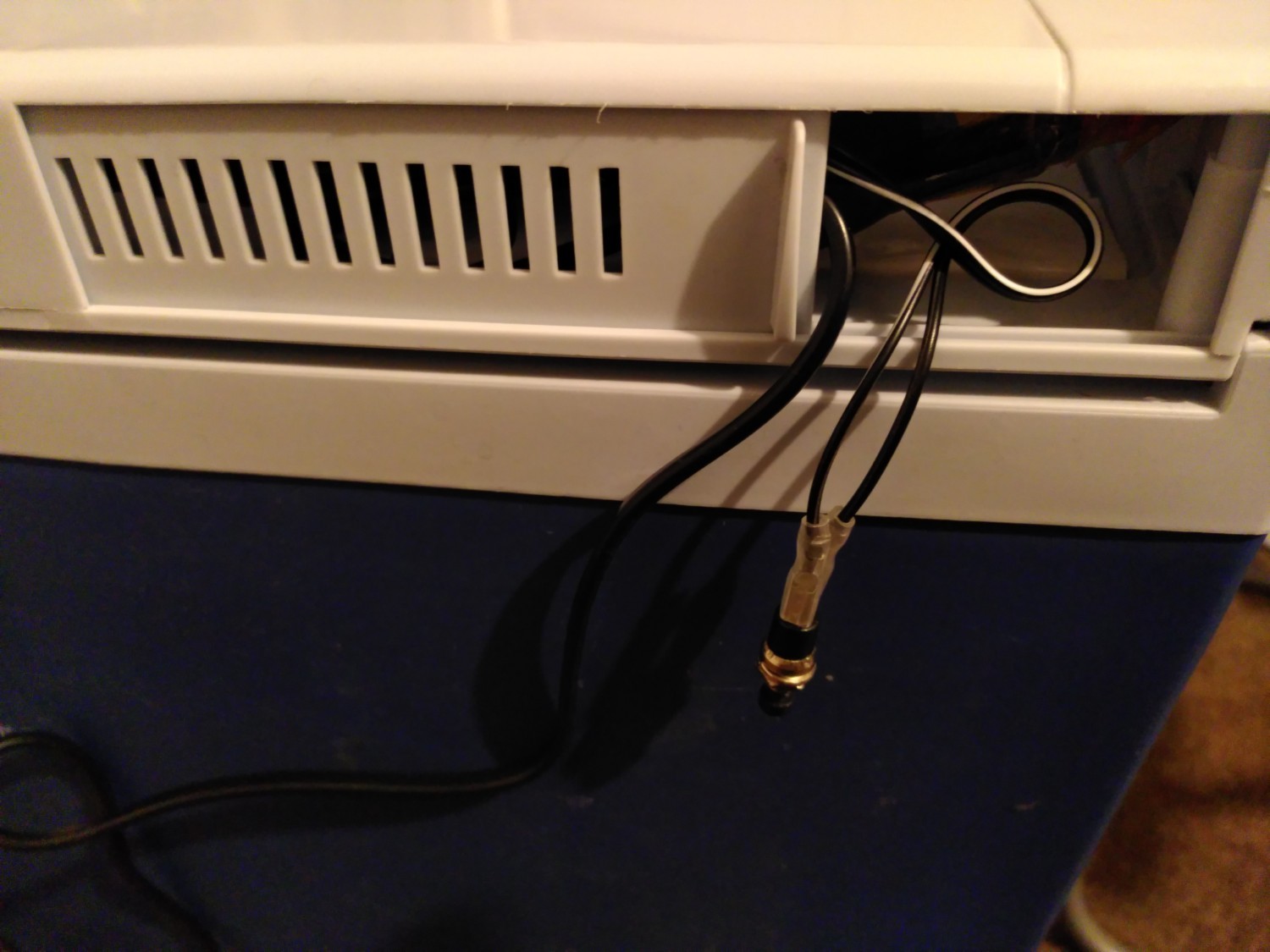
You might be wondering how exactly I change the power settings... well since the manufacturer decided it was good enough to shove all the cables in the back, I did the same with a pushbutton 🤫
Glad to have the electric cooler working again though, feels nice to save large things like this from going to the landfill and extend their life a bit. Excited to hear any thoughts and feedback!

Free google play credit, I usually get an email every year for it
But I do pay for Plex, despite Jellyfin being a thing. If I like something and it's worth it to me personally, why not 🤷♂️... but you will never find me defending their kinda crappy decisions like the new Discover feature, removal of "All Songs" from the plex apps in favor of moving people to Plexamp, removing the Gallery sync a few years ago etc.
Some people want their software to be 100% FOSS all-eyes-on-the-codebase, others just do a balancing act based on their personal values.
I value my software to be "transparent enough" in how it operates, "just work", and hackable to some extent - if I really wanted to I can swap out the ffmpeg binary that Plex uses for transcoding to something else (doesn't remove the Plex Pass limitation for those curious), I can hook into the server API to change ambient lighting colour based on the cover/background of whatever media is playing, I can create speakers running a Linux board to cast Plex media to, etc. But once that hackable ship sails, then I will look to FOSS alternatives.
For Niagara, everything "just worked". No noticeable bugs, fast search, consistent feel and design, useful contextual info (e.g. next calendar event shows under the clock), and gestures that made sense for its overall UX. Using it felt less like you were using a "launcher". The yearly sub was cheap enough that I wouldn't mind covering for it if I didn't get credits, and having a single person working on software usually comes with a high level of attention to detail (particularly in performance and UX) but it does have the downside that the experience may be more opinionated and closed compared to if it was a community-driven FOSS project instead IMO.
Alas, google didn't send credits this year, Niagara made less sense for value/worth-it compared to Kvaesitso, so I abandoned it.
For me, Kvaesitso does everything in a slightly different, much more customizable way, and being FOSS was one of the things that made it particularly attractive as a replacement