The Electric Car That Vanished
In the mid-1990s, a quiet technological revolution seemed ready to begin in the United States. Instead of gasoline engines and exhaust pipes, some engineers were building vehicles that ran entirely on electricity.
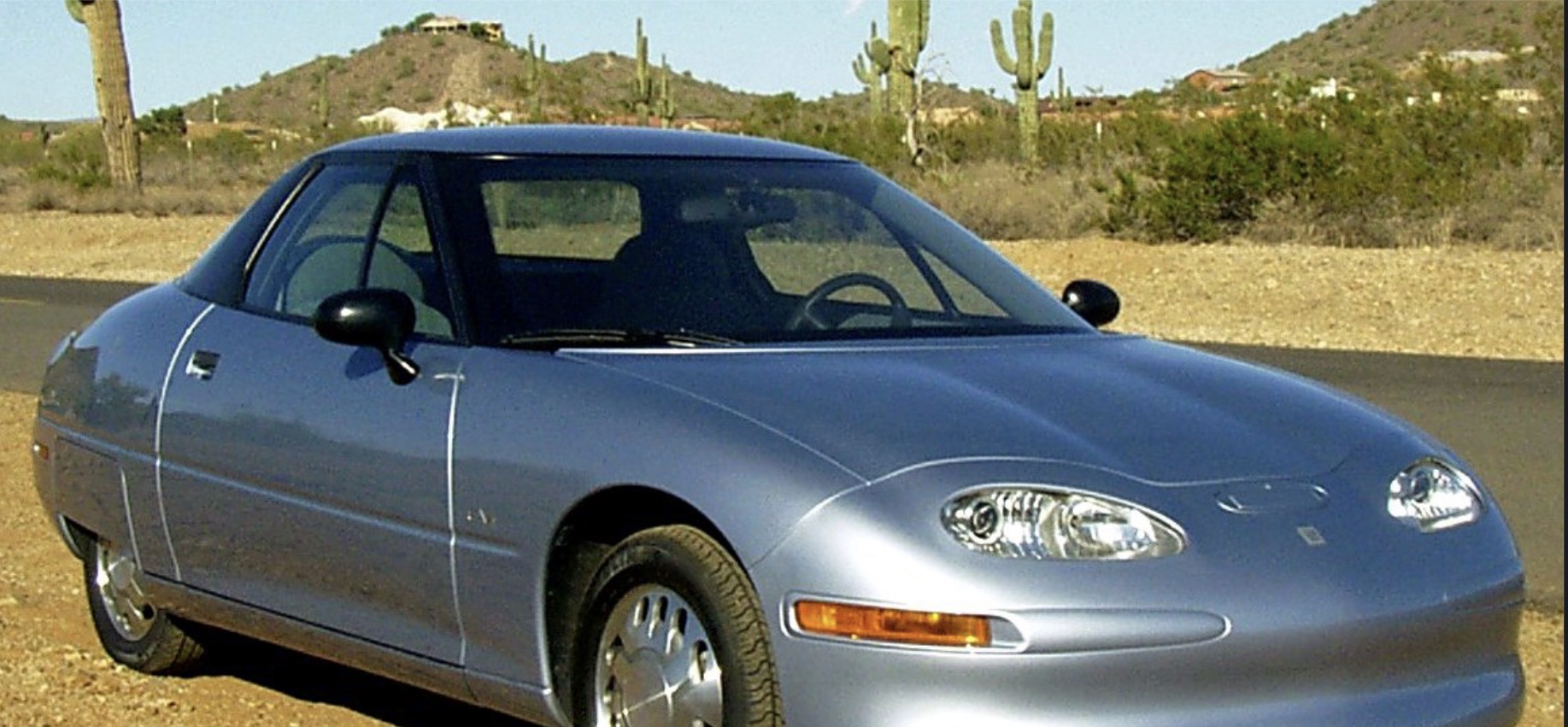
One of the most famous of these experimental vehicles was the General Motors EV1.
At the time, the idea of a fully electric car sounded almost futuristic. Most people believed batteries could never power a real automobile for daily driving. Yet when the EV1 appeared, it surprised many critics.
The car was sleek, quiet, and surprisingly advanced. Drivers who leased the vehicle reported that it accelerated smoothly and required almost no maintenance. Without a combustion engine, there was no oil to change and far fewer moving parts.
For a brief moment, it looked as if the age of electric vehicles had already arrived.
But the project soon became one of the most controversial technology stories in modern automotive history.
The EV1 was never sold to the public. Instead, it was offered only through a limited lease program in places like California and Arizona. A small number of drivers were allowed to use the vehicles while the company gathered data.
Many of those drivers loved the cars.
When the leases began to expire in the early 2000s, something strange happened. Instead of selling the vehicles to the people who were already driving them, the manufacturer demanded that every EV1 be returned.
Many drivers offered to buy their cars outright.
The company refused.
Soon afterward, most of the returned vehicles were quietly destroyed. Large numbers of the cars were crushed and recycled.
Footage of rows of EV1 cars being dismantled spread across the internet and quickly fueled speculation.
Some observers began asking uncomfortable questions.
Why would a company destroy working vehicles that people clearly wanted to drive?
Why were customers not allowed to purchase them?
Several explanations were offered. Automakers argued that maintaining the vehicles was expensive and that the limited technology of the time made mass production impractical.
But critics suspected something else.
Some believed the project had been quietly shut down because it threatened existing industries tied to gasoline and oil. Others argued that battery technology at the time may have been more promising than publicly acknowledged.
The controversy eventually became the subject of a well-known documentary titled Who Killed the Electric Car?.
The film explored the many possible reasons the project ended, including economic pressures, political influence, and resistance from industries built around traditional engines.
Today, electric vehicles have returned to the market in a big way. Companies around the world are producing them, and governments are investing heavily in battery technology.
Yet the story of the EV1 still lingers in discussions about technological change.
For some people, it remains an example of how promising innovations can disappear when they collide with powerful industries.
For others, it is simply a reminder that sometimes technology arrives before the world is ready to adopt it.
Either way, the quiet disappearance of those early electric cars remains one of the most debated technological mysteries of the modern automotive era.
⸻
Discussion
Do you think the EV1 program failed because the technology simply wasn’t ready yet, or do you think other economic and political forces played a role in its disappearance?