One of my pet peeves of modern fantasy media is the notion that some people are "special" - and thus implied to be "better" - than other people because of some inherent magical ability. One of the best-known modern examples of this is the Harry Potter franchise, where the protagonists are mostly mages, and even the characters who actually care about the welfare of the latter do so in an extremely patronizing way - i.e. by stopping the "bad mages" rather than working together.
In #dnd and similar #ttrpg, the concept is represent by the "sorcerer" and similar characters who gained their cool powers from some innate birth ability rather than study and hard work.
And while there is nothing wrong with wanting to play such a character, just for once I would like to see an in-setting examination of what it means to have this privilege, instead of the more common:
"Oh no, woe is me, I have been born with special powers and will be hated and persecuted for them. Thus, I must spend most of my time in a secret society with my fellow very special people!"
To be clear, people born with privilege did not ask to be born with privilege, and cannot be blamed for that. However, they should also acknowledge that they have this privilege, and not assume that they are somehow "better" than people without it.
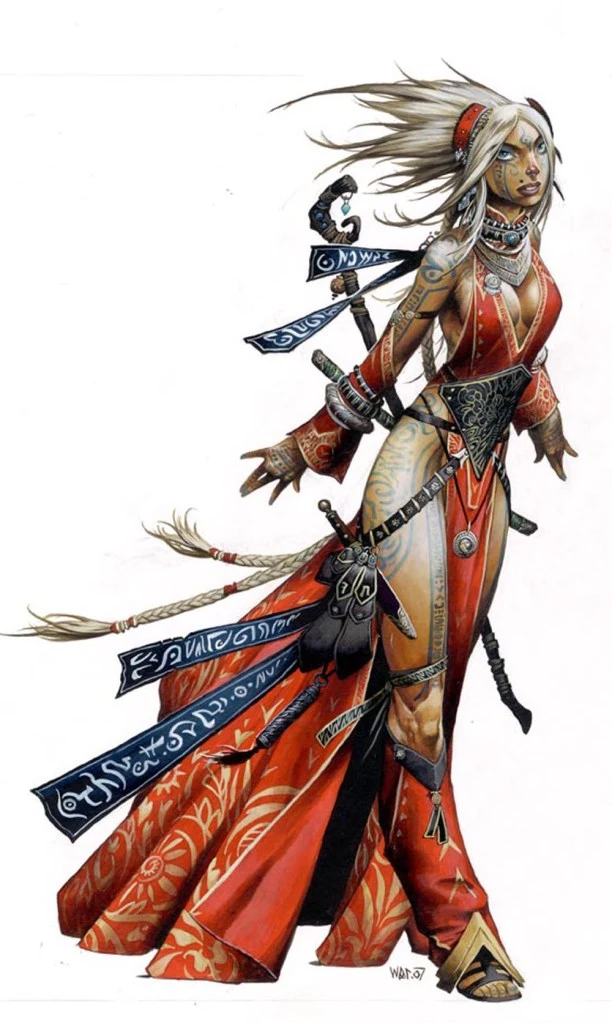
@juergen_hubert It’s tricky to build a setting that actually examines this sort of privilege not just because we know how people born to privilege behave in the real world (forming an aristocratic class and - if pressed - coming up some sort of narrative like noblesse oblige or divine Right of Kings), but also because well before 3rd edition’s take on sorcerers was a thing, many medieval fantasy worlds had people born to unearned magical power and privilege: gods.
A setting with divinities who are actively using their power to better the world can easily make the inborn power of a typical PC or point of view character feel irrelevant. OTOH those which feature apparently-inactive deities probably inspire many born to power to worry about themselves first, and others second (or never)
@juergen_hubert I think this type of setting gets even harder to build when we base the discussion on D&D sorcerers. For all they may be born to a certain amount of power compared to an ordinary person, they have to put themselves through real effort and danger to progress from there - they really don’t get that much for free (c.f. characters in Zelazny’s Amber).