40
Hydrogen for Transportation Didn’t Fail Just Once in 2025. It Failed Everywhere.
(cleantechnica.com)
Discussion of climate, how it is changing, activism around that, the politics, and the energy systems change we need in order to stabilize things.
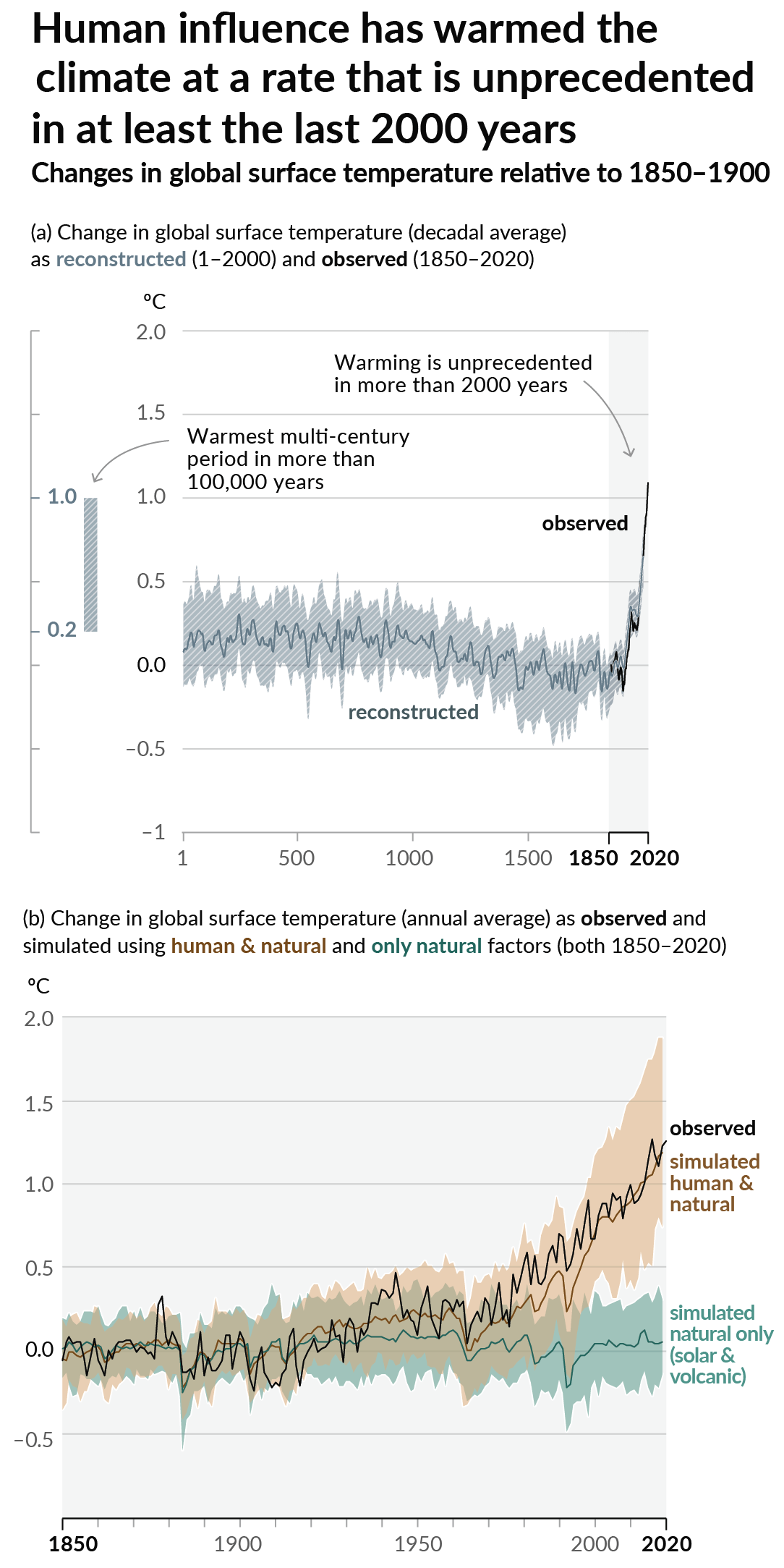
As a starting point, the burning of fossil fuels, and to a lesser extent deforestation and release of methane are responsible for the warming in recent decades:
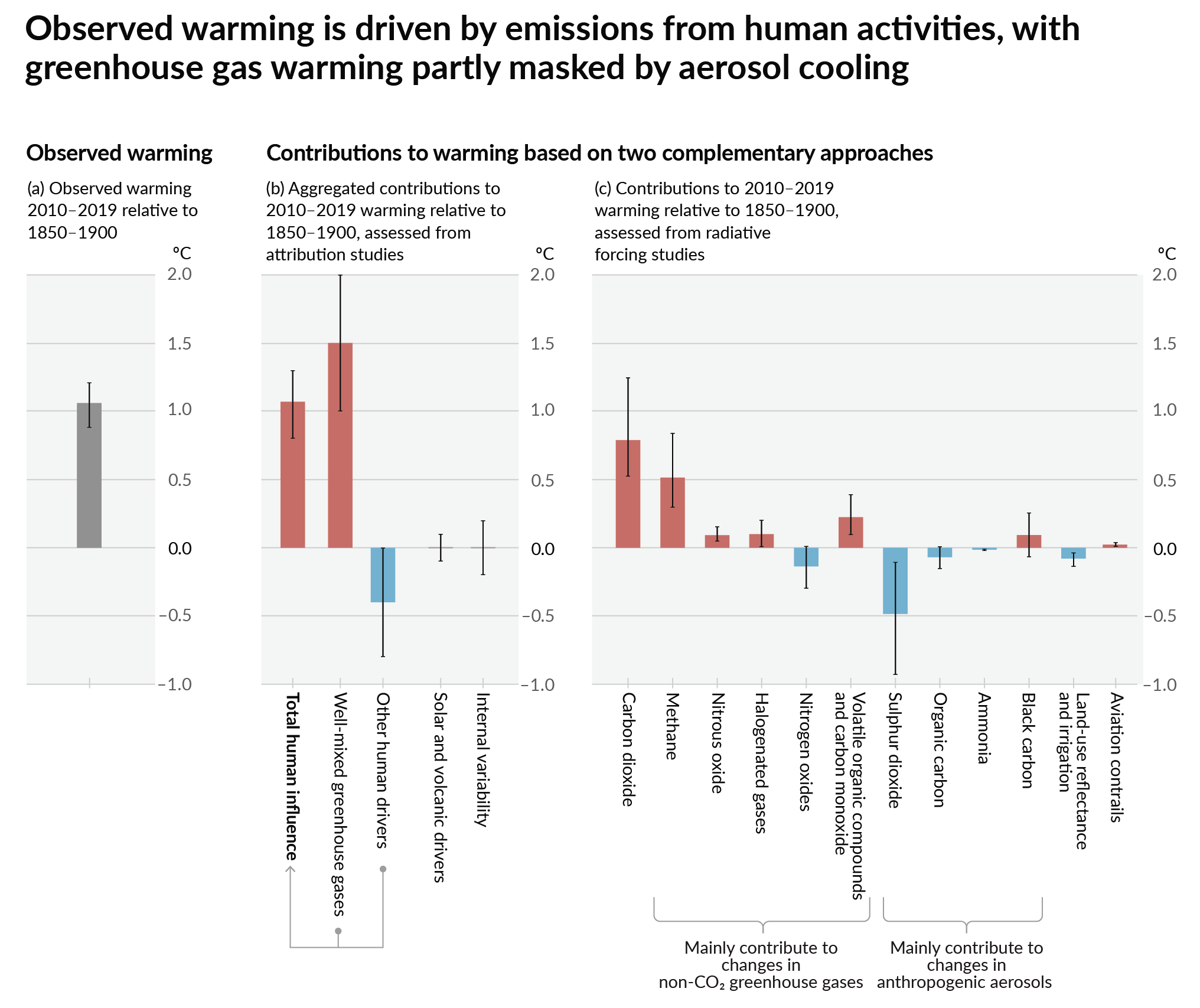
How much each change to the atmosphere has warmed the world:
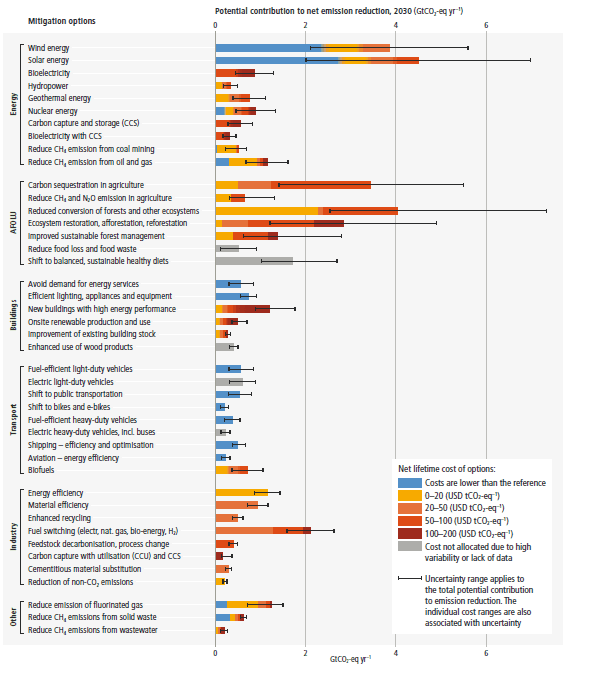
Recommended actions to cut greenhouse gas emissions in the near future:
Anti-science, inactivism, and unsupported conspiracy theories are not ok here.
First, produce hydrogen with solar and wind, then store and transport it with rail and ships, and then it can be distributed to smaller vehicles. The biggest issue are oil and gas industry and politicians doing anything they can to stop the hydrogen progress.
In the "smaller vehicles" part, great obstacles need to be overcome.
I would be content with doing only the parts that are reasonably economical and efficient:
Economically, this would likely make ends meet - and keep hydrogen away from consumers (consumers are careless and their systems often faulty, while hydrogen is demanding and dangerous).
I agree, that's a reasonable plan.
Yes, using hydrogen cells as one part of the storage for over production of electricity from renewables would be the way to go, if you go hydrogen.
Hydrogen in gas form regularly escape atmosphere and there's no long term study about what will happen if we mass produce it
Hydrogen gas cannot be safely stored, the container will get metal fatigue unless reforged regularly
Hydrogen gas is so small that it can pass through almost everything
Edit: add double new line to prevent someone from trying to derail the subject
Did your periods (.) also escape along with the hydrogen?
Yeah. Adoption means nothing as one is making hydrogen with the mindset they make petroleum based fuel.
Production needs to come before adoption. And by that, I mean, the end goal production process.
Any adoption before that is just wasting more energy.
But that's the same for batteries, from what I see.