I'm not a radio engineer, but my understanding is you're just bouncing signals off the moon itself, there isn't a device that echos the signal back or anything. There are mirrors on the moon to reflect lasers back though.
SteveTech
joined 2 years ago
A reverse proxy by itself doesn't do much security wise. You could possibly setup some sort of authentication, attempt blocking, and rate limiting (in the reverse proxy, don't trust the DVR), but it'll probably also break the DVR even more.
There's bots that port scan and specifically target all sorts of stuff, and DVRs are a very common target. With a VPN in the way, there's no way of knowing what's there. A VPN also shouldn't break the web UI.
I really wouldn't expose a DVR to the internet, and especially not RTSP, those sorts of things get brute forced all the time, and you can find websites full of hacked cameras.
What I would do is run a VPN server (maybe Wireguard) on your Pi, and VPN in when you want to look at your cameras.
No worries! It was shown quite prominently a few years ago, but it seems they prefer downfor.io now, which seems way harder to remember.
It's probably blocked for whatever reason (maybe less than 90 days old?)
My work and Uni do the same thing, they don't do full SSL inspection, so most websites don't need a custom certificate authority; but if the SNI is blocked then they need a custom certificate to hijack and display a blocked message, most browsers will detect this as a MITM and display a not secure message instead.
Some expansion cards use more power in certain slots.

Are you only using QEMU, or are you using some sort of wrapper around it? QEMU is quite advanced, if you aren't already, I'd recommend you use some sort of GUI like virt-manager or something.
Can you share your config?
Does it BSOD or just reboot after the Windows logo?
You might have to pass the drives through as IDE, Windows might not have the proper drivers for anything else. Once you can get it booting you can mount a blank drive as virtio, install the virtio drivers, and then change the OS drive to virtio.
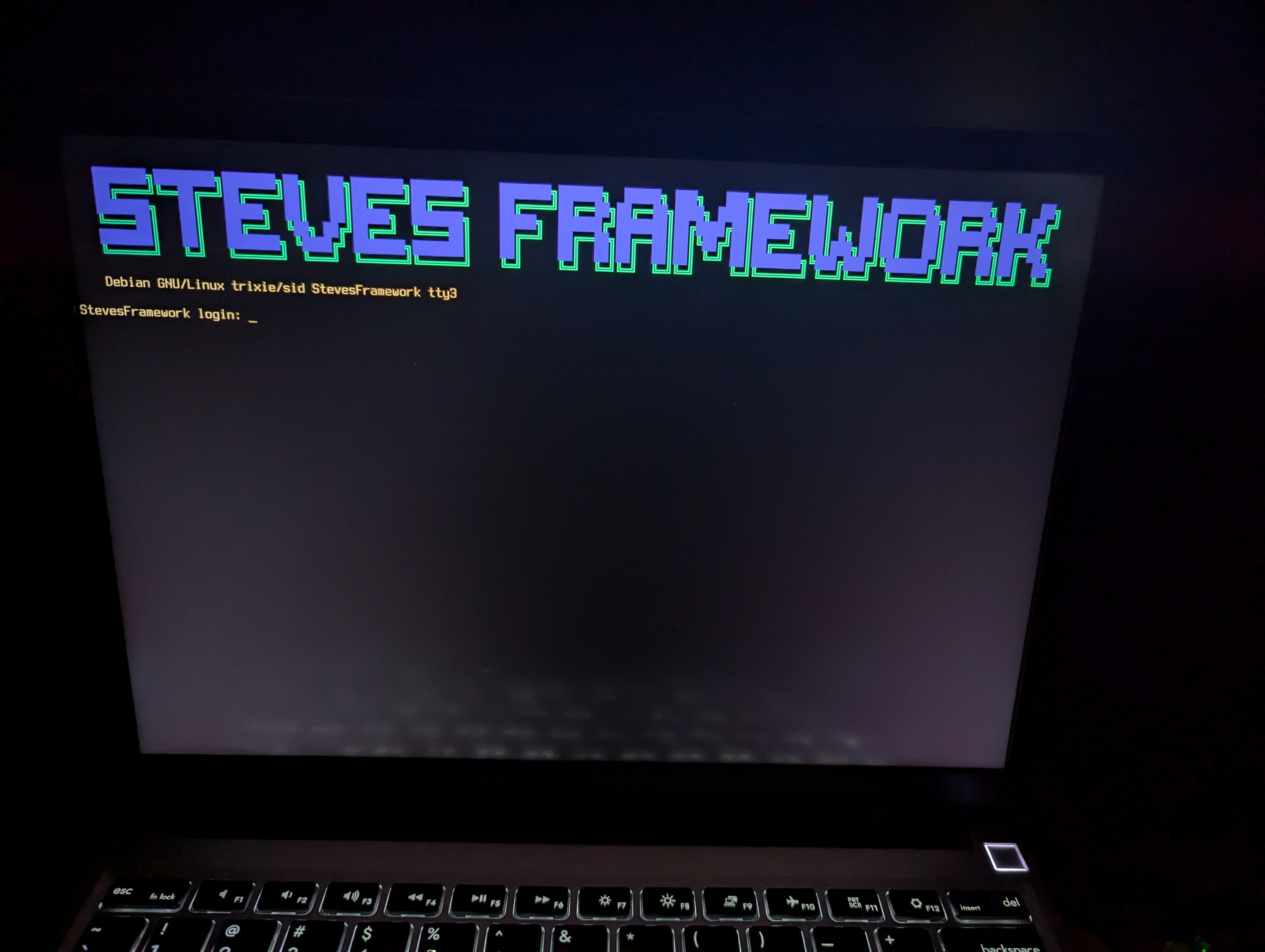
Oh cool, I believe only 4bit colours are possible, you can use this table from Wikipedia and the escape sequence \e[<FG>m replacing<FG> with your chosen foreground colour. Also \e[0m to reset everything.
funny how we use the same font XD
Haha yeah! I noticed that too!
I think I just used regex look aheads and look behinds to insert the colours easily.
Edit: Oh you can change that actual TTY font to a bigger one, if the text is too small too.
You can do colours as well!
Most BIOS updates come with a firmware file and a .exe to flash it
Sadly in my case, iy doesn't.
I think they're saying the Windows update file will contain the firmware binary.
You can find Windows update files here: https://www.catalog.update.microsoft.com/Search.aspx?q=Acer
But you'll probably have to check each update and see if the "Supported Hardware IDs" match some sort of UUID in dmidecode. I'm not sure if those are supposed to match though.
Then there are some generic firmware update tools for Linux that might work, or might brick your laptop.
The HTTPS certs are designed to prevent MITMing, but if it's still a worry or the domain is blocked by DNS, you can manually find the IP and add it to your hosts file instead.