They're not really "climate friendly". Just more efficient than resistive heaters
this post was submitted on 20 Aug 2026
155 points (98.7% liked)
Climate
8927 readers
430 users here now
Discussion of climate, how it is changing, activism around that, the politics, and the energy systems change we need in order to stabilize things.
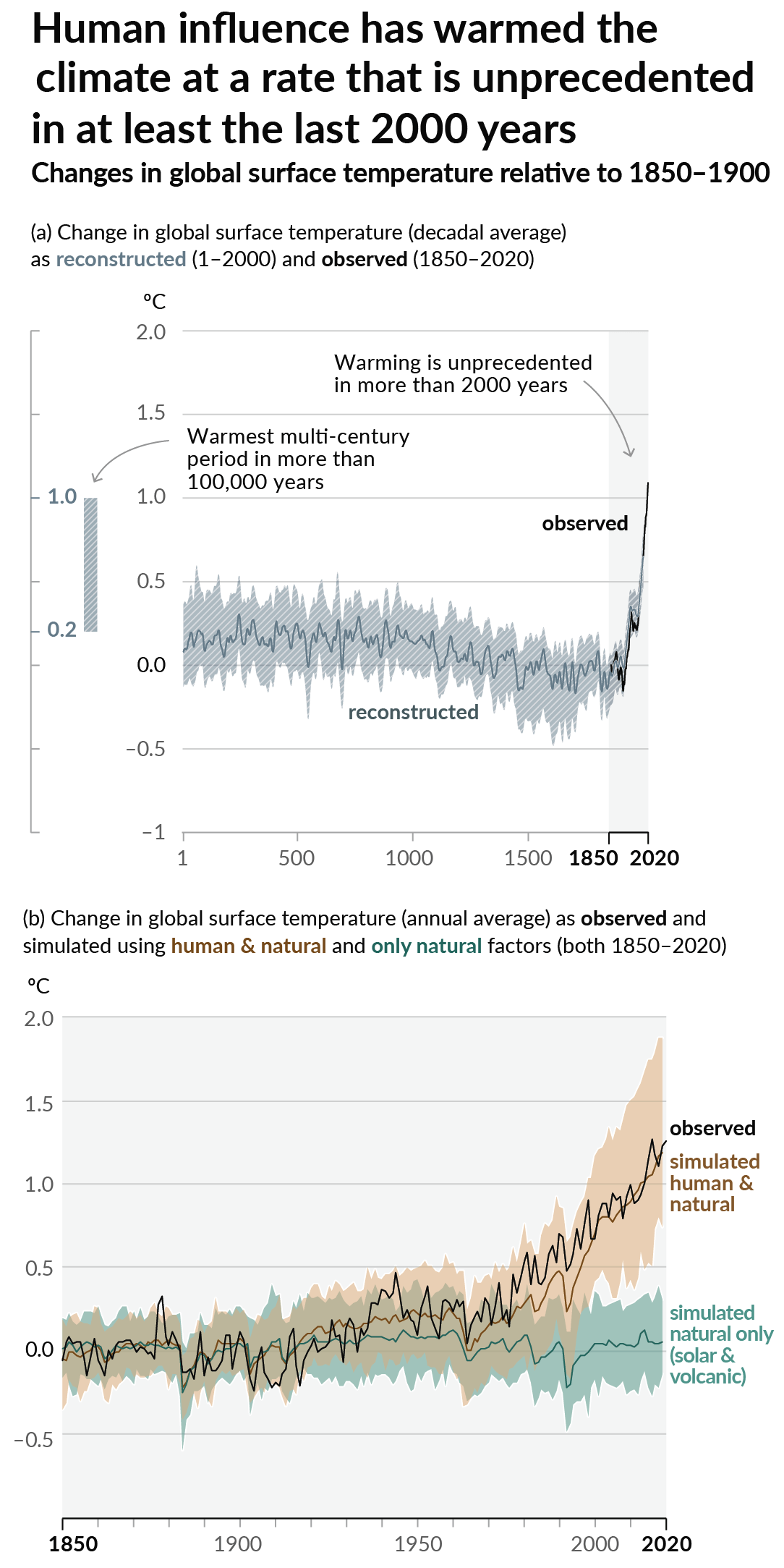
As a starting point, the burning of fossil fuels, and to a lesser extent deforestation and release of methane are responsible for the warming in recent decades:
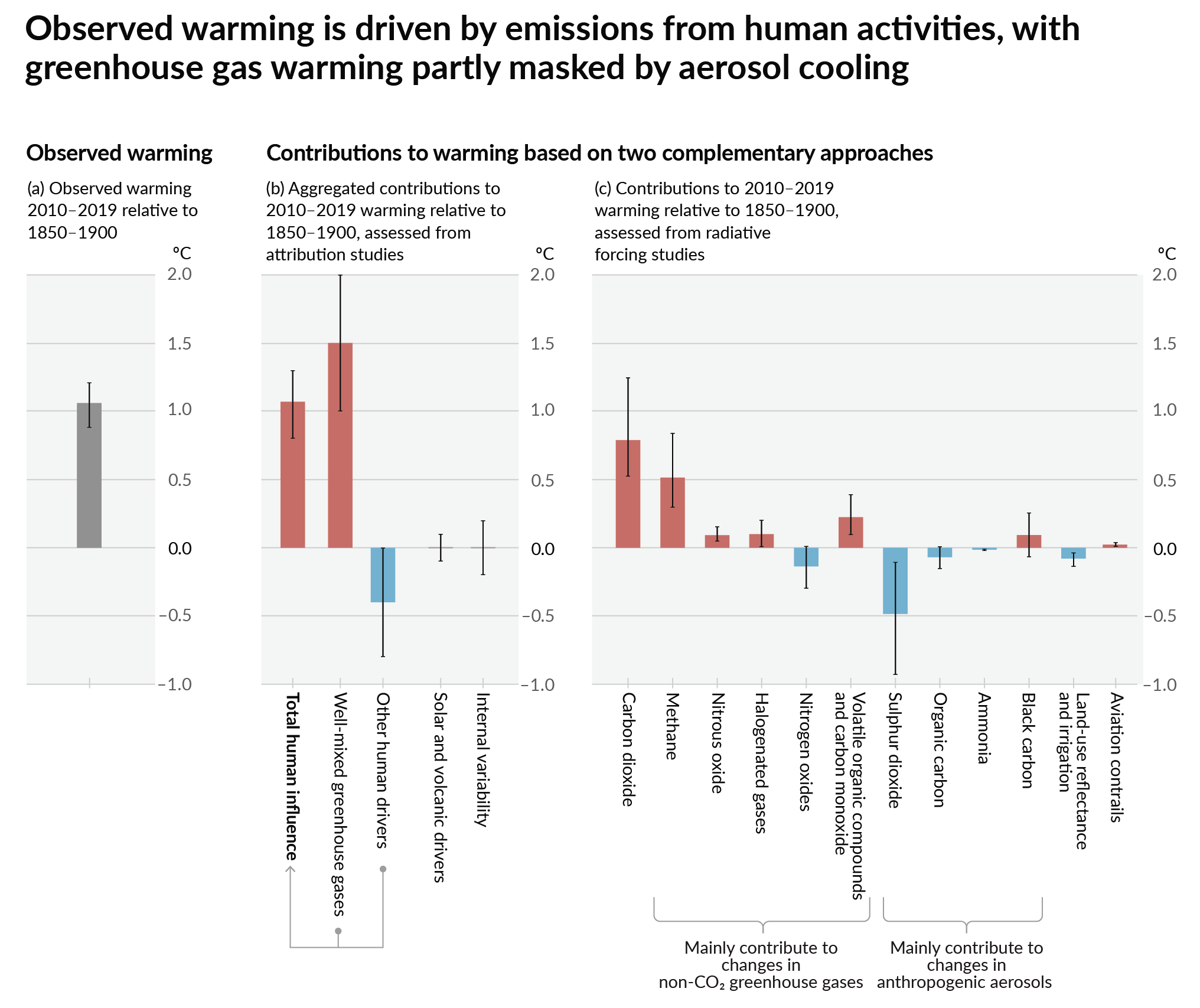
How much each change to the atmosphere has warmed the world:
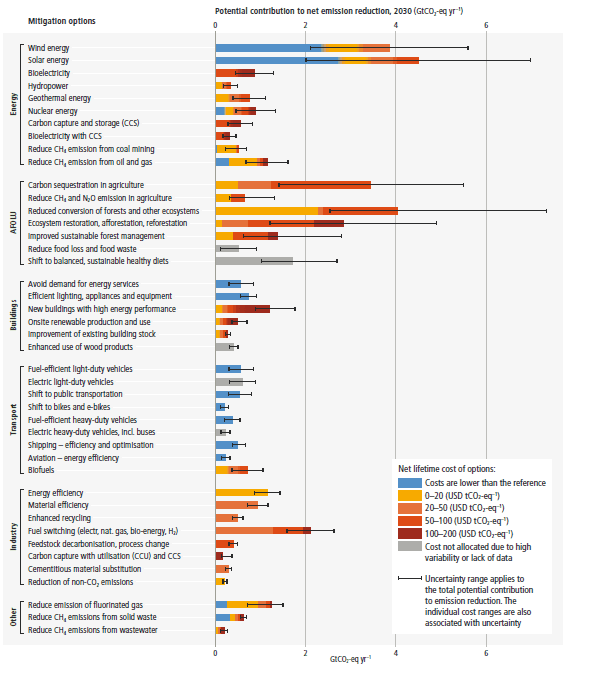
Recommended actions to cut greenhouse gas emissions in the near future:
Anti-science, inactivism, and unsupported conspiracy theories are not ok here.
founded 3 years ago
MODERATORS
I thought a heat pump was a reversible air conditioner and air conditioners were not eco friendly
Air conditioner compared to using a fan, etc not eco friendly. Heat pump used for heating, much more eco friendly than alternatives.
Cooling/heating is expensive so not using it is the best, if you do need to use it then heat pumps are the best way
About fucking time. I've never understood why they weren't used to begin with.
In many areas, fossil fuel energy is much cheaper than electrical energy, so much so that even with heat pumps operating at 300+% efficiency, it was still cheaper to burn fuel than to use a heat pump.
When piped residential gas cost $0.01/cubic foot, and each cubic foot contains 0.3 kWh of energy, that energy price was comparable to 3.3 cents per kWh. So even compared with a electric heat pump that was 300% efficient, that gas would still be cheaper than electricity that cost $0.10/kWh.
Now that gas is more expensive (national average approaching $0.02 per cubic foot), and heat pumps tend to be more efficient, some up to 500%, the simple math starts to favor electric heat pumps, where a 500% efficient heat pump running at even $0.30/kWh is still cheaper than a gas furnace. Basically, the breakeven point has tripled in just over a decade.
Also, as heat pump technology has improved, they are capable of operating efficiently at lower temperatures than before, so that the real world performance more closely matches the simple calculations in those cold climates. Plus because they work better now, the customers are less likely to notice a performance difference in heating.
In the northern locations they got a really bad name early on because the early models didn't do jack in colder climates, so it didn't make sense to have the pump and an additional heat source ontop of it so many just went to having a lone heat source like a furnace.
Since then they have steadily improved in tech and if you get the right type are good for locations that don't go under -23C (-10 F) but, they still have a bad name due to the experiences with the early tech.
Mine runs fairly well down to -30 c.
Not really correcting, just adding a data point.
Northern places like Scandinavia?
New England, the Pacific Northwest, the Gulf Coast.
they used to be expensive.
And so installers were harder to come by, which means fewer people were told about it. Pretty easy to understand why it took a while to catch on.
Mine is air to water, so all you really need is someone who can plonk it there and then plumbers to do their stuff.
Vast majority of the work for mine was replacing the entire central heating system, but that would have been a good idea even if I wanted a gas boiler because of how old and shit it was.
Now my cat can sleep on top of the large double radiators around the house. Tbh that has to be one of the best features of it, flow temperatures low enough that a cat can comfortably sleep on it.
When i was trying to get a heat pump, i had to listen to a family friend hvac guy yell at me for 10 minutes cus he hates those damn things.
Ohhh I heard some of those! Got told that the heat pump alone would cost more than twice as much as I actually paid for a heat pump, all new radiators and replacing all the old pipework.
My other favorite thing was talking to this one hvac company that only did x brand heat pumps(dont remember), but could not provide performance specs on them. The company couldnt either. Aside from "this one is really quiet!"
So i went with carrier, which had perfornance specs for all their equipment, at multiple different ambient and desired temps.
These cheap mini splits can be installed diy.
You vastly overestimate the capabilities of the average modern human being
That's incredibly short-sighted since they still paid for themselves.
Not for apartment dwellers.
Cool beans. Try being poor.
Or inline water heaters. Seriously the whole world uses them.
They've been the standard around here for my entire lifetime. I'm in my first house that doesn't have one and when the air conditioner goes I'm replacing it with a heat pump.
Air conditioner is a heat pump.
Well yes; at least where I'm from (the American southeast) an "air conditioner" will run only in one direction for cooling a space, a "heat pump" is the same technology with the addition of a reversing valve that can heat or cool the space. The HVAC technician I have on contract will understand exactly what I mean by "I want to replace my air conditioner with a heat pump." with no further elaboration.
Not all are reversible, and given they said when it goes I would assume it is an older one that can't do heating.
It is relatively new, installed in 2006 or so, alongside a condensing natural gas furnace. The furnace provides heat, the AC provides cool. It's working okay for now, when it's time to replace it I'll replace it with a heat pump system and retain the furnace for emergency and defrost.
Unless it gets very cold, probably no need to keep it. Had mine removed and I live in the UK. Not sure if there is anywhere that needs AC in summer and gets too cold for a heat pump in winter.
Not an option. Two reasons:
-
Emergency heat is a legal requirement. A heat pump system without a source of emergency heat does not meet the North Carolina residential building code. That law was written back when AC was newfangled and untrusted, and Raleigh (and many other state capitols) didn't want families freezing to death because a compressor motor failed.
-
American central HVAC systems are modular by nature, a heat pump system is designed to rely on the emergency heat system for defrost heat. Auto-defrost is accomplished by overriding the thermostat and commanding Emergency Heat ON, reversing valve to AC, compressor ON, fan ON. The ensuing sparring match between the heater and air conditioner pretty effectively defrosts the outdoor unit. And in the United States at least, by far the world's largest producer of natural gas, it's considerably less expensive to do that under methane power than electricity.
Defrost is a critical feature in my climate; winter hovers around freezing, often climbing to 1 or 2C during the day and dipping to -3 or -4C at night, and the relative humidity is ALWAYS high. Perfect icing conditions for a heat pump.
Surely a heat pump can fail just as easily as a boiler? Log burner or even a biofuel fire kinda thing would be far more suitable as an actual emergency backup.
So in my part of the country, boilers are oldfangled and fairly rare. I've never seen a new one installed during my lifetime. You will find them in the Northeast I gather. Recall that the United States is a huge territory with a dramatic range of climates; the several states vary their HVAC standards and practices to meet their conditions. I live in central North Carolina, these are the standards I know and shall speak on.
In my locale, forced air HVAC is typical. No boiler, no hot water pipes, save for those run from a water heater to sinks, bathtubs, washers etc. The AC system necessary down here in sweet tea Cackalacky requires large air ducts from the evaporator to the living spaces, so if you're going to install those, you might as well also use them for winter heat rather than plumb the house for an entirely separate boiler and radiators.
The law I mentioned was written with all-electric systems in mind. The "emergency" heater is basically a big resistor; a coil of wire commonly called a "heat strip" and a contactor that connects it to 220v mains power. It's like a toaster big enough for a man to crawl through. Mechanically simpler than a heat pump though less energy efficient, they're intended to provide heat 1. in case the heat pump fails somehow, 2. on those "but sometimes" occasions where the temperatures dip below that which the heat pump is designed for (this used to be a bigger problem than it is now; 1960s era heat pumps were less effective in cold temperatures than modern ones), and 3. defrosting.
My home has a furnace plus air conditioner system, I don't currently have a heat pump. I have a forced air condensing furnace, I'll let my main man Alec explain in detail how those work, and an air conditioner. The air conditioner is almost exactly like a heat pump except no reversing valve. The furnace serves as the air conditioner's air handler, when the thermostat is set to air conditioning it sends a compressor ON signal to the air conditioner and a fan ON signal to the furnace. Switching to a heat pump system would mean wiring up the furnace as the "emergency heat" system.
I live in a climate where a heat pump can almost provide for all heating needs, my father has a heat pump and furnace system, and in the deepest depths of winter the furnace runs about an hour a week, and a little more during those "but sometimes" cold snaps. We're the United States, natural gas is abundant and cheap here, so it's actually cheaper to use gas for backup heat than resistive electric.
This all does assume that mains power is up and running. The true emergency backup, for when the power grid is down, is typically an entirely separate system chosen by the whims of the homeowner. I have a natural gas fired Glo-Warm, a mechanically operated radiant heater that requires no electricity. My father has a kerosene heater and keeps 10 gallons of kerosene in his tool shed. My uncle has a wood burning stove. My neighbor has a natural gas burning whole house generator. A couple work colleagues have rooftop solar and various degrees of battery backup. We're in "what works for you personally" territory. Most of the Texans I know have no plan whatsoever and during that blizzard that hit them a few years ago they huddled around scented candles for warmth and shat in buckets. It's a free country, do whatever you want.
Emergency heat is a legal requirement
Isn't that a requirement only applicable to health facilities, and one that you can also skip if you have two separate energy sources?
Different concepts. This has nothing to do with "in case the power fails."
This has apparently changed since last I went shopping for a heat pump. Used to be, heat pumps couldn't be expected to sufficiently heat a house on the coldest days of the year, so a second additional heat source would have to be installed, which also doubled as a backup in case the heat pump mechanically failed. The setting on the thermostat to engage this second heat source was labeled "Emergency Heat" or "EmHeat", like so:

A better term would probably be Auxiliary or Supplemental heat but the industry uses the term Emergency Heat.
Apparently there are heat pump systems on the market now which can pass inspection on their own with no supplemental "emergency" heater. I suppose that goes hand in hand with the technology becoming more viable in the northern latitudes. They didn't used to be suitable for colder climates but now they are, I guess that means they're suitable for flying solo here. I wouldn't personally do that because A. I like to have the backup in case of system failure, and B. without heat strips or a furnace, the defrost cycle is just...running the air conditioner. The source of defrost heat is your mammalian ass.
A heat pump system without a source of emergency heat does not meet the North Carolina residential building code.
I lived in an NC apartment complex. When the power went out, we froze. There was no emergency heat.
Good, and I use one. It's mind boggling that anyone wouldn't use one? It uses so little energy that I don't even notice. My stupid always-on smart TV uses more power...
I wouldn't say I don't notice as it's most of my energy use. Monthly in summer we use 150-200kWh, in winter its 550-650. Heat pump does heating and hot water so the shower uses it too.
True, my old place couldn't setup the pump for water heating also, plus my place is smaller and in an area that doesn't get too hot or cold. It's mostly a very inexpensive AC for me.
The water heater is on the todo list but it's a but tough to afford everything at once.
Technology Connections is probably rejoicing at this news.

One thing that is hard about my unemployment was this was an upgrade we were hoping to make.
They are so much quieter and work a million times better than conventional ones.
Because each apart is now heated/cooled independently, so the tenant can pay utility costs. And heating/cooling are one unit and the price of heat pumps has really come down and are easy to install.