this post was submitted on 20 Aug 2026
158 points (98.8% liked)
Climate
8935 readers
372 users here now
Discussion of climate, how it is changing, activism around that, the politics, and the energy systems change we need in order to stabilize things.
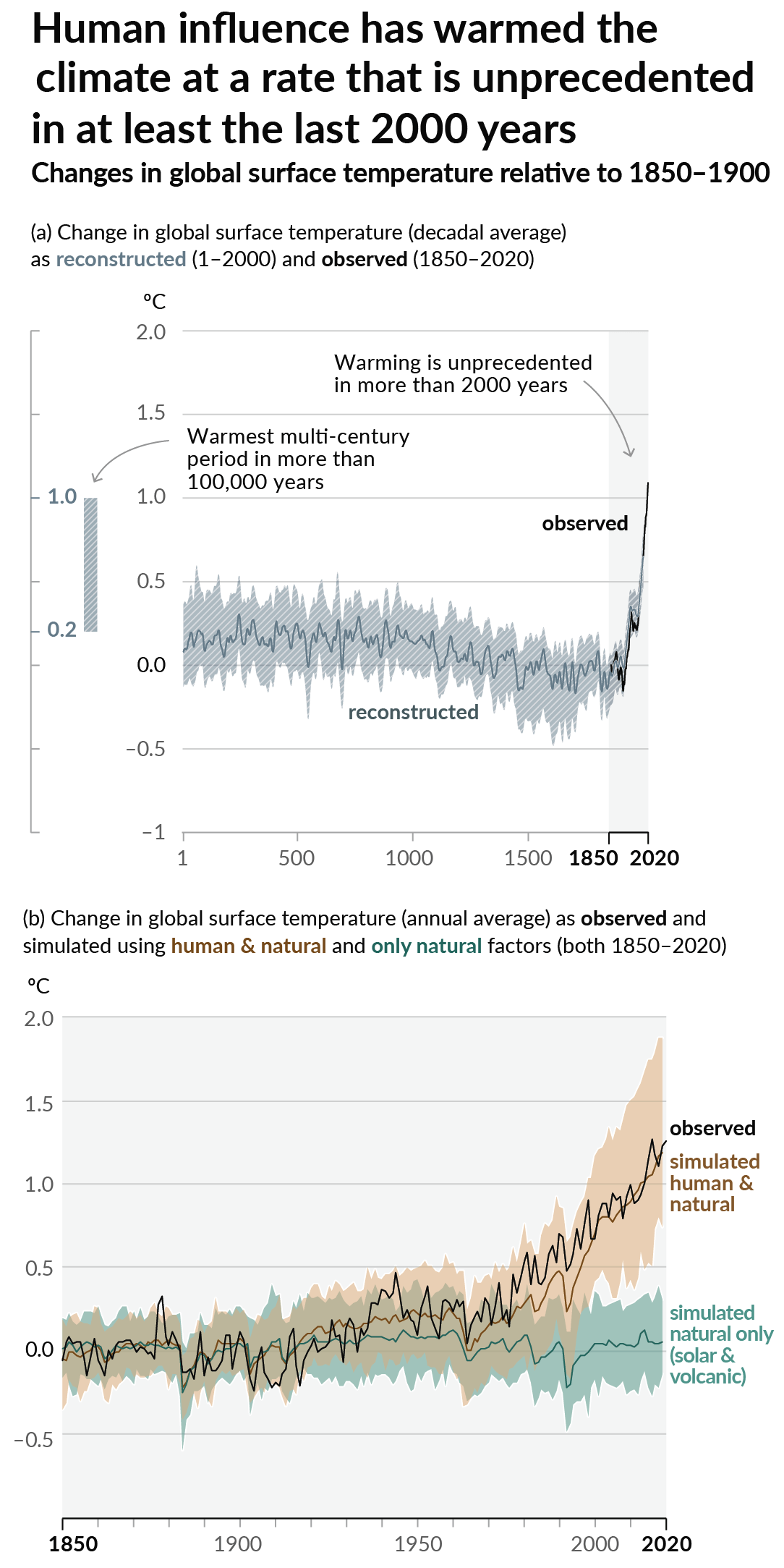
As a starting point, the burning of fossil fuels, and to a lesser extent deforestation and release of methane are responsible for the warming in recent decades:
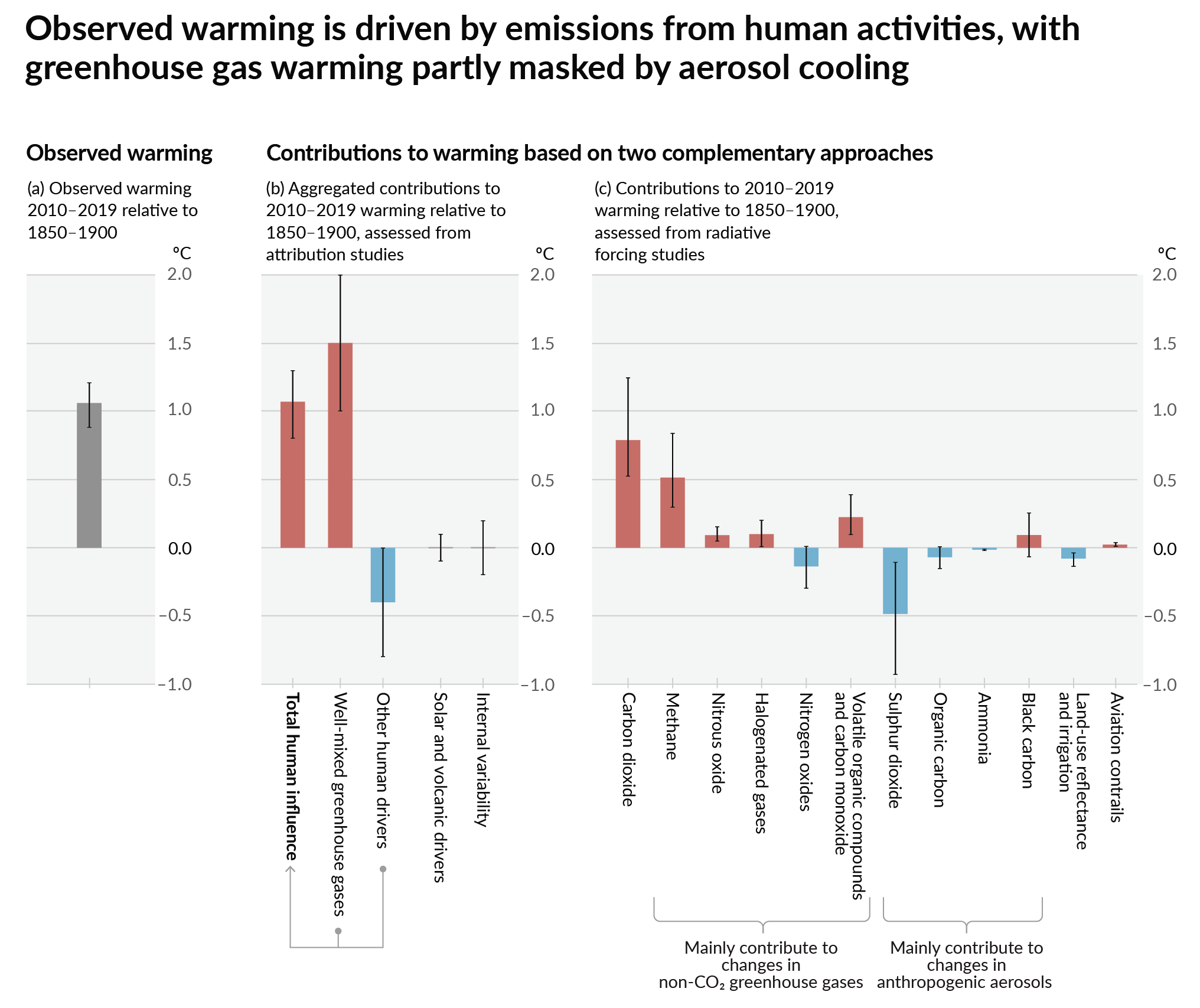
How much each change to the atmosphere has warmed the world:
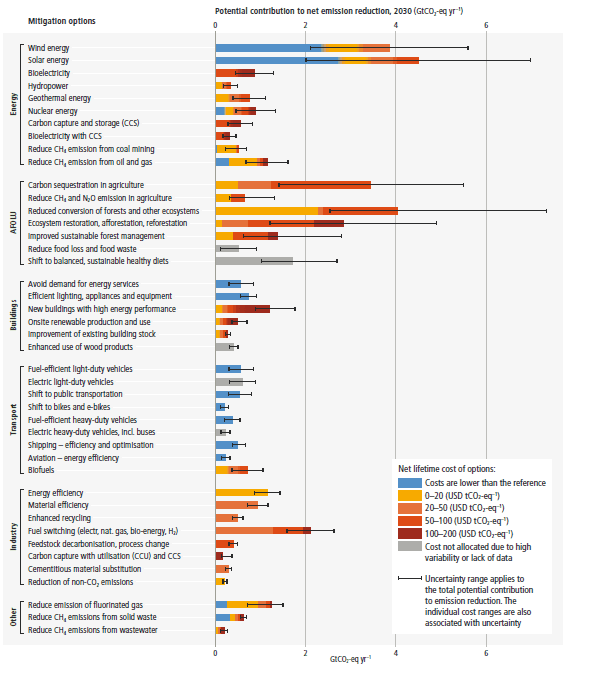
Recommended actions to cut greenhouse gas emissions in the near future:
Anti-science, inactivism, and unsupported conspiracy theories are not ok here.
founded 3 years ago
MODERATORS
you are viewing a single comment's thread
view the rest of the comments
view the rest of the comments
In many areas, fossil fuel energy is much cheaper than electrical energy, so much so that even with heat pumps operating at 300+% efficiency, it was still cheaper to burn fuel than to use a heat pump.
When piped residential gas cost $0.01/cubic foot, and each cubic foot contains 0.3 kWh of energy, that energy price was comparable to 3.3 cents per kWh. So even compared with a electric heat pump that was 300% efficient, that gas would still be cheaper than electricity that cost $0.10/kWh.
Now that gas is more expensive (national average approaching $0.02 per cubic foot), and heat pumps tend to be more efficient, some up to 500%, the simple math starts to favor electric heat pumps, where a 500% efficient heat pump running at even $0.30/kWh is still cheaper than a gas furnace. Basically, the breakeven point has tripled in just over a decade.
Also, as heat pump technology has improved, they are capable of operating efficiently at lower temperatures than before, so that the real world performance more closely matches the simple calculations in those cold climates. Plus because they work better now, the customers are less likely to notice a performance difference in heating.