this post was submitted on 09 Feb 2026
353 points (95.6% liked)
Comic Strips
22052 readers
3670 users here now
Comic Strips is a community for those who love comic stories.
The rules are simple:
- The post can be a single image, an image gallery, or a link to a specific comic hosted on another site (the author's website, for instance).
- The comic must be a complete story.
- If it is an external link, it must be to a specific story, not to the root of the site.
- You may post comics from others or your own.
- If you are posting a comic of your own, a maximum of one per week is allowed (I know, your comics are great, but this rule helps avoid spam).
- The comic can be in any language, but if it's not in English, OP must include an English translation in the post's 'body' field (note: you don't need to select a specific language when posting a comic).
- Politeness.
- AI-generated comics aren't allowed.
- Adult content is not allowed. This community aims to be fun for people of all ages.
Web of links
- !linuxmemes@lemmy.world: "I use Arch btw"
- !memes@lemmy.world: memes (you don't say!)
founded 2 years ago
MODERATORS
you are viewing a single comment's thread
view the rest of the comments
view the rest of the comments
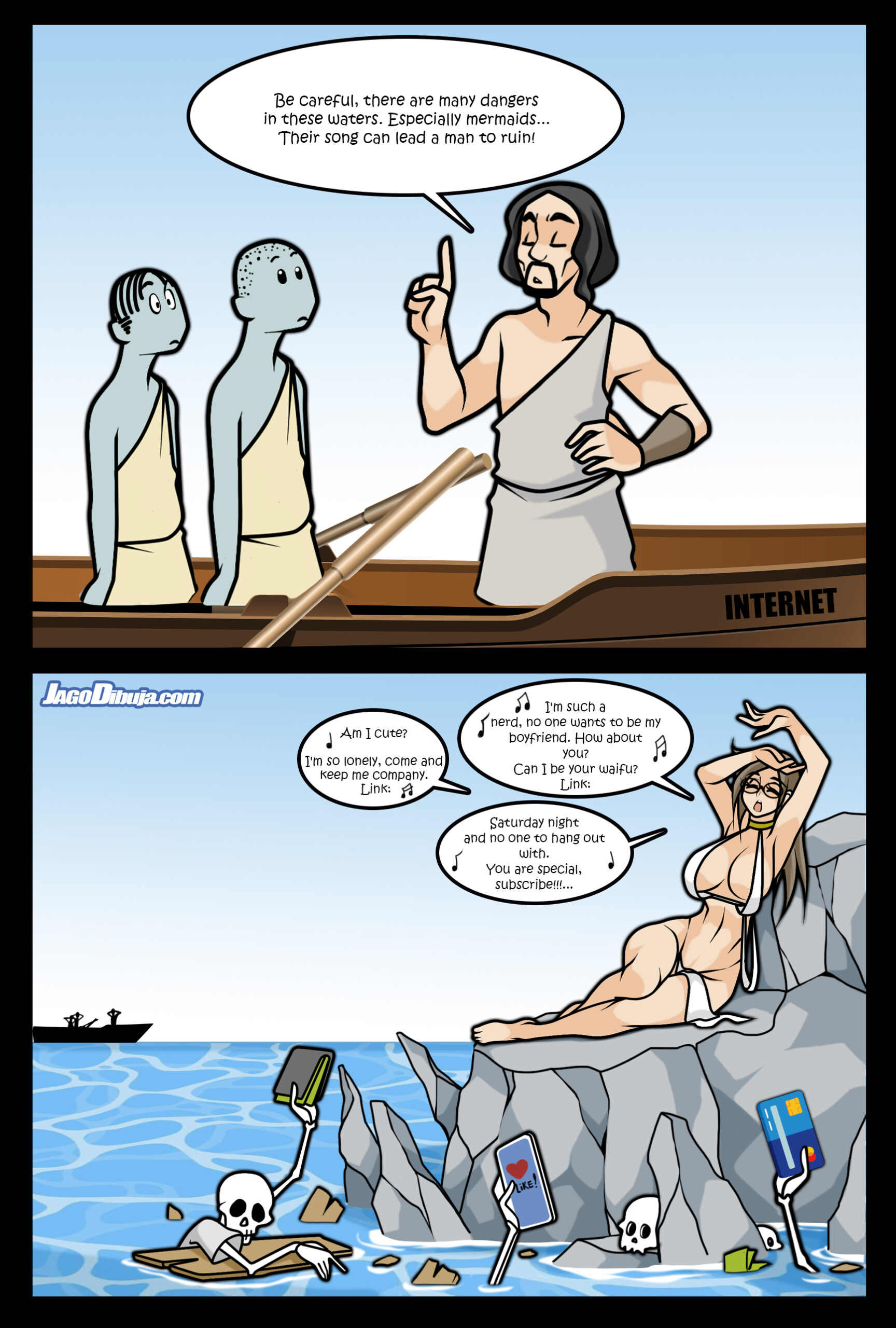
I'm not saying you are wrong, I'm saying the distinction might not be done everywhere, if you click the language thing on your wikipedia link and select spanish it will lead you here https://es.wikipedia.org/wiki/Sirenas_(mitolog%C3%ADa) , if you then click to go back to english from there you'll end up in the mermaid page
What you're talking about is an important part of the challenges of translation between cultures and languages. Words for categories don't always translate neatly.
Take, for example, the English words for Lemon and Lime. Many languages don't distinguish between the two, and at most will call the lime a green lemon.
The word for "seafood" in many other languages may inherently exclude freshwater fish, or all fish, whereas in American English it usually includes all fish.
The two English categories of "bread" and "pastry" map onto three categories of "pain"/"viennoiserie"/"pâtisserie" in French, because enriched breads aren't considered bread.
Many languages don't have a different word between red and pink, and instead just call pink "light red" or something. Some languages distinguish light blue from blue, and may define the demarcation between green and blue differently.
I'm pretty sure there are languages that don't distinguish between alligators and crocodiles, goats and sheep, turtles and tortoises, too.
With cultural mythologies, it's especially interesting on whether we decided to use the same words for the different culturally independent myths: dragons, vampires, zombies, ghosts, demons, devils, gods, demigods, fairies, wizards, etc.
And so when talking about whether a culture or language distinguishes between mermaids and sirens, or whether they're considered the same thing, is just an extension of the broader observation that not everything translates neatly into the same categories across all languages.
you can correct that misalignment by linking it back to the siren mythology page and we would be grateful to you
That still doesn't mean spanish society differentiates between sirens and mermaids tho
Right there, in the first paragraph of your link:
Que no tengamos dos palabras para los conceptos de sirena de pez y sirena de ave no significa que no seamos capaces de reconocer que al hablar de sirenas de la mitología griega, que es de las cuales el meme está hablando ya que está referenciado a la Odisea, son quimeras de cabeza de mujer y cuerpo de ave.
Macho que hay un apartado enterito sobre las sirenas griegas y romanas con bien de fotos. No tendremos dos palabras pero si que diferenciamos.
I don't think they meant ‘can't tell difference’, more like ‘don't use different words for siren and mermaid’