Ñ is not a letter, and even though at some point recently it was part of the alphabet its standing has always been flaky. It is technically just a spicy n with an accent.
De hecho la virgulilla (~) es un tipo de tilde. Aunque ahora que lo pienso, no sé sí la RAE tendrá un asiento para la Ñ… me decepcionaría si no fuera así.
Decimoquinta letra del abecedario español. Su nombre es femenino: la eñe (pl. eñes). Representa el fonema consonántico nasal palatal /ñ/.
Esta letra nació de la necesidad de representar un nuevo fonema, inexistente en latín. En cada una de las lenguas romances se fue fijando una grafía distinta para representarlo, como gn en italiano y francés, ny en catalán o nh en portugués. El castellano medieval escogió el dígrafo nn, que se solía representar abreviadamente mediante una sola n con una rayita más o menos ondulada encima; así surgió la ñ, adoptada también por el gallego y el vasco. Esa rayita ondulada se llama tilde, nombre dado también al acento gráfico (→ tilde1)
EDIT: it is true that Spanish is not the only language so it shouldn't be the one to decide if it is a letter or not. Since I only know 2 languages that used it, I checked the other one: basque.
According to euskaltzaindia:
ñ letra (eñe)
ñ letra (eñe)
Zenbait jendek uste du [ñ] hots bustia bikotearen ondorio dela beti, eta ñ letrarik ez dela euskaraz. Ez da hala. Erreparatu adibide hauei: ñabardura, ñaka, ñañan egin, ñaño, ñimiño... hitzei; -ño atzizkiaz eraturikoei: andereño, haurño, xoriño, gazteño, maiteño...; mailegatuei: piñoi, txanpiñoi, erresiñol, giñol...; zenbait herri-izeni: Abadiño (abadiñar), Oñati (oñatiar), Armiñon (armiñondar), Iruñea, Urdiñarbe (urdiñarbetar)...; zenbait ponte-izeni: Eñaut, Beñat, Iñaki, Garbiñe, Eguzkiñe, Zuriñe... [EH; 17. araua] (→ letra; → kontsonante busti-palatalen grafia eta ahoskera)
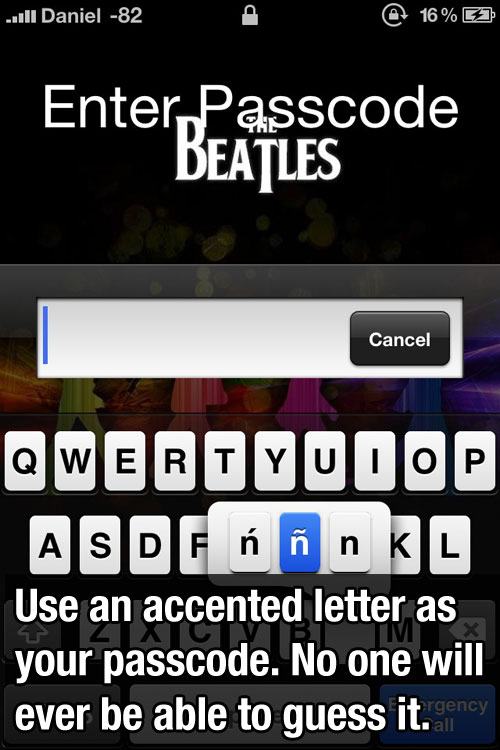
Ñ is not a letter, and even though at some point recently it was part of the alphabet its standing has always been flaky. It is technically just a spicy n with an accent.
De hecho la virgulilla (~) es un tipo de tilde. Aunque ahora que lo pienso, no sé sí la RAE tendrá un asiento para la Ñ… me decepcionaría si no fuera así.
RAE about ñ:
Decimoquinta letra del abecedario español. Su nombre es femenino: la eñe (pl. eñes). Representa el fonema consonántico nasal palatal /ñ/.
Esta letra nació de la necesidad de representar un nuevo fonema, inexistente en latín. En cada una de las lenguas romances se fue fijando una grafía distinta para representarlo, como gn en italiano y francés, ny en catalán o nh en portugués. El castellano medieval escogió el dígrafo nn, que se solía representar abreviadamente mediante una sola n con una rayita más o menos ondulada encima; así surgió la ñ, adoptada también por el gallego y el vasco. Esa rayita ondulada se llama tilde, nombre dado también al acento gráfico (→ tilde1)
EDIT: it is true that Spanish is not the only language so it shouldn't be the one to decide if it is a letter or not. Since I only know 2 languages that used it, I checked the other one: basque.
According to euskaltzaindia:
ñ letra (eñe) ñ letra (eñe)
Zenbait jendek uste du [ñ] hots bustia bikotearen ondorio dela beti, eta ñ letrarik ez dela euskaraz. Ez da hala. Erreparatu adibide hauei: ñabardura, ñaka, ñañan egin, ñaño, ñimiño... hitzei; -ño atzizkiaz eraturikoei: andereño, haurño, xoriño, gazteño, maiteño...; mailegatuei: piñoi, txanpiñoi, erresiñol, giñol...; zenbait herri-izeni: Abadiño (abadiñar), Oñati (oñatiar), Armiñon (armiñondar), Iruñea, Urdiñarbe (urdiñarbetar)...; zenbait ponte-izeni: Eñaut, Beñat, Iñaki, Garbiñe, Eguzkiñe, Zuriñe... [EH; 17. araua] (→ letra; → kontsonante busti-palatalen grafia eta ahoskera)
Definitivamente no era mi día…
Gracias por la corrección, se me fue.
And yeah, the RAE is not the ultimate authority on… really anything.
Appreciated the info on basque too!
RAE is by definition the ultimate authority on the Spanish language in Spain though.