this post was submitted on 24 Aug 2025
203 points (99.5% liked)

Climate - truthful information about climate, related activism and politics.

7800 readers
326 users here now

Discussion of climate, how it is changing, activism around that, the politics, and the energy systems change we need in order to stabilize things.

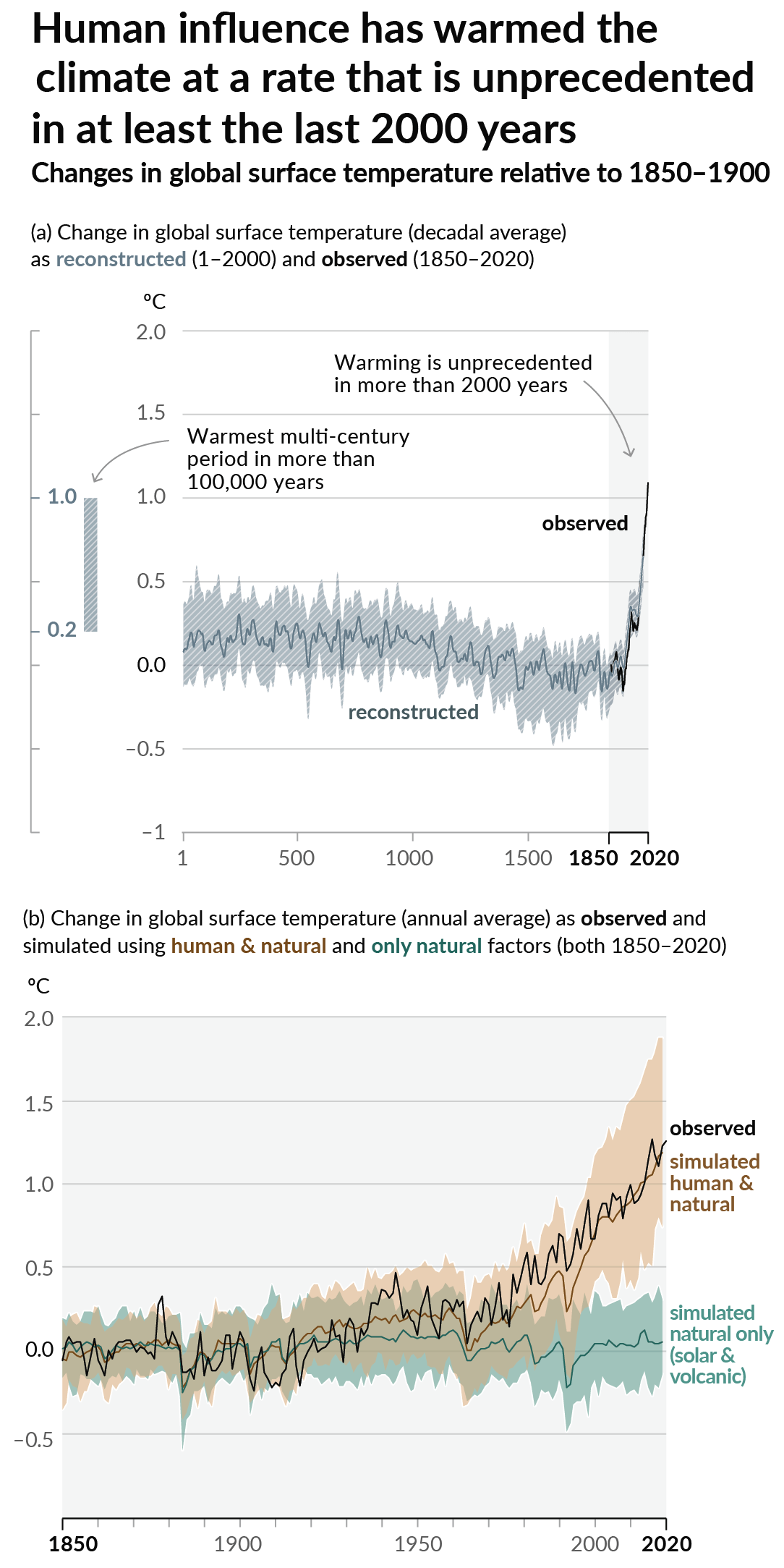
As a starting point, the burning of fossil fuels, and to a lesser extent deforestation and release of methane are responsible for the warming in recent decades: Graph of temperature as observed with significant warming, and simulated without added greenhouse gases and other anthropogentic changes, which shows no significant warming
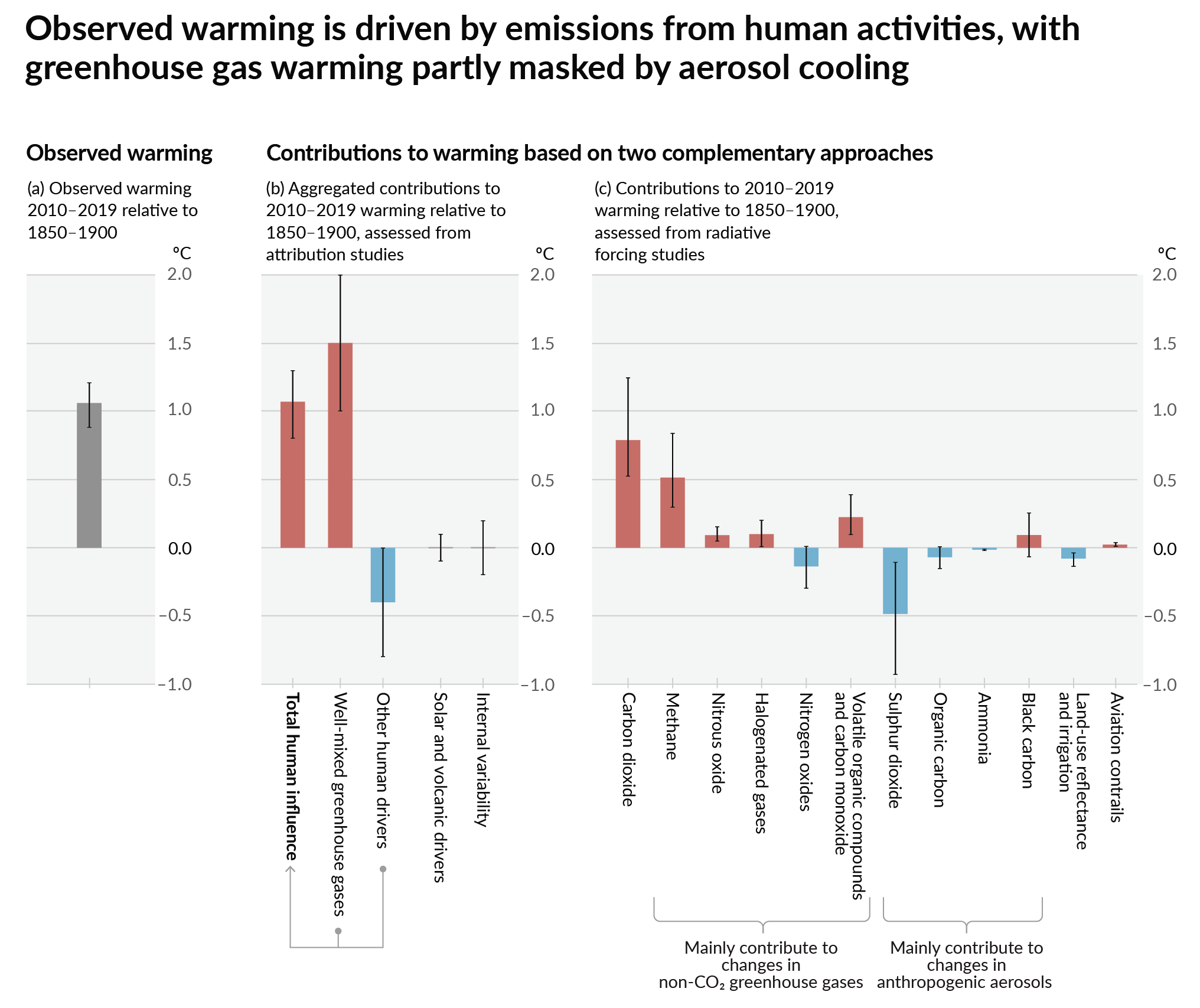
How much each change to the atmosphere has warmed the world: IPCC AR6 Figure 2 - Thee bar charts: first chart: how much each gas has warmed the world.  About 1C of total warming.  Second chart:  about 1.5C of total warming from well-mixed greenhouse gases, offset by 0.4C of cooling from aerosols and negligible influence from changes to solar output, volcanoes, and internal variability.  Third chart: about 1.25C of warming from CO2, 0.5C from methane, and a bunch more in small quantities from other gases.  About 0.5C of cooling with large error bars from SO2.
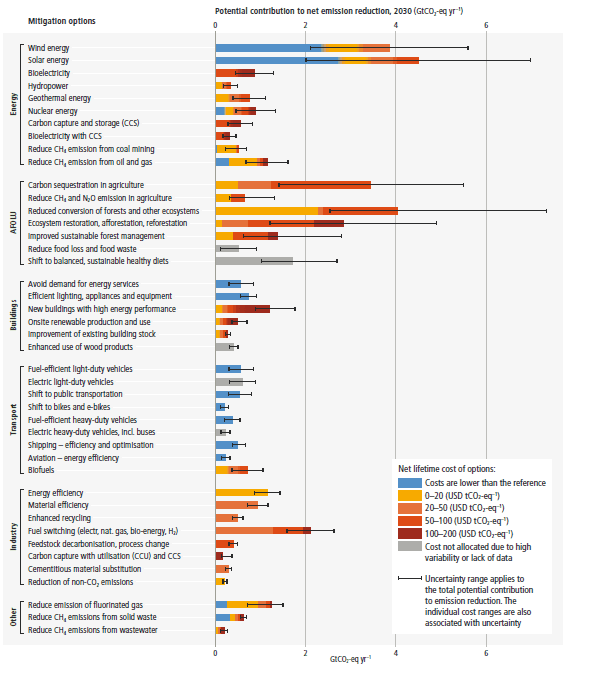
Recommended actions to cut greenhouse gas emissions in the near future:
Anti-science, inactivism, and unsupported conspiracy theories are not ok here.

founded 2 years ago
MODERATORS
 

cross-posted from: https://lemmy.ca/post/50309495

NASA chief to defy agency's charter, terminating science

you are viewing a single comment's thread
view the rest of the comments
[–] trailee@sh.itjust.works 21 points 4 months ago

These proposed cuts to NASA science are significantly harming not only the national security interests of the United States, but also the lives, safety, and resilience of citizens across the country and globe. While NASA’s astrophysics and planetary science divisions monitor and explore worlds and the Universe beyond our own, including potentially hazardous asteroids and comets, it’s NASA’s Earth science and heliophysics divisions that teach us things that directly impact our planet.

NASA’s Earth observing satellites and stations are key to monitoring climate, water resources, natural disasters and their impacts, air pollution, wildfires, droughts, and key infrastructure components all across the world. Satellite instruments monitor stores of groundwater, and can identify weather events even as they’re still forming over the oceans.