this post was submitted on 18 Jan 2025
676 points (94.8% liked)
politics
31093 readers
1724 users here now
Welcome to the discussion of US Politics!
Rules:
- Post only links to articles. Title must fairly describe link contents. If your title differs from the site’s, it should only be to add context or be more descriptive. Do not post entire articles in the body or in the comments.
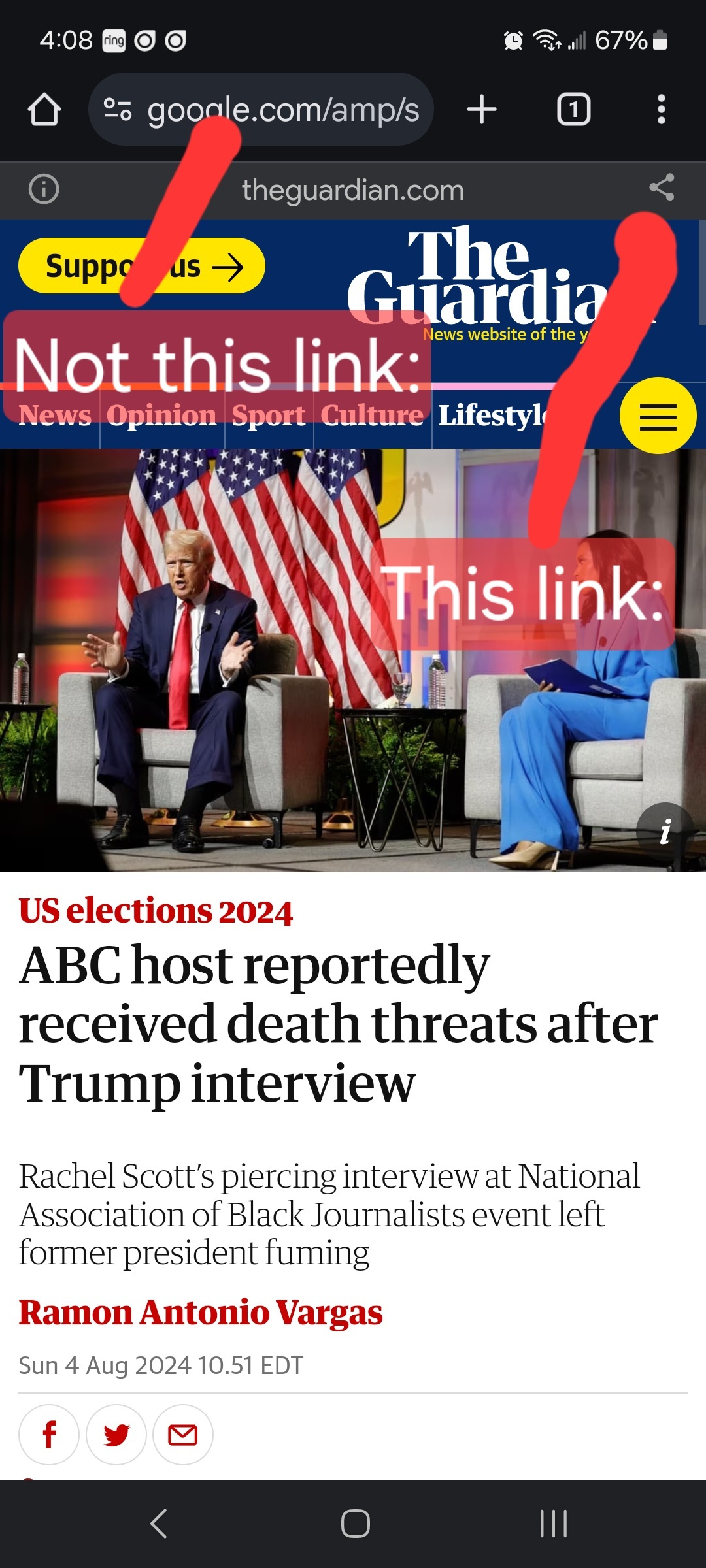
Links must be to the original source, not an aggregator like Google Amp, MSN, or Yahoo.
Example:
- Articles must be relevant to US politics and contain quality and original content. Social Media adjacent hosts like Substack are allowed, but ONLY if they tie back to a company/subsidiary. No personal or friend group blogs and no self-promotion. Articles should be worth reading. Clickbait, stub articles, and re-hosted or stolen content are not allowed. Check your source for Reliability and Bias here.
- Be civil, No violations of TOS.
It’s OK to say the subject of an article is behaving like a (pejorative, pejorative). It’s NOT OK to say another USER is (pejorative). Strong language is fine, just not directed at other members. Engage in good-faith and with respect! This includes accusing other users of being bots or paid actors.
- No memes, trolling, misinformation, or low-effort posts/comments (including reposts). If you see posts like this that anger you, do not engage. Report, block, and live a happier life than they do. Any slap-fight is subject to comment removals. Fights full of rule violations will result in temporary bans to cool off.
- No manipulating votes via bots or alt accounts; this will result in permanent bans. Vote based on comment quality, not agreement. This community aims to foster discussion; please reward people for putting effort into articulating their viewpoint, even if you disagree with it.
- No hate speech, slurs, celebrating death, advocating violence, or abusive language. This will result in an account ban. Usernames containing racist, or inappropriate slurs will be permanently banned.
We ask that the users report any comment or post that violate the rules and use critical thinking when reading, posting, and commenting. Users that repeatedly have comments or posts removed, weaponize reports, or violate the code of conduct, will be banned.
All posts and comments will be reviewed on a case-by-case basis. This means that some content that violates the rules may be allowed, while other content that does not violate the rules may be removed. The moderators retain the right to remove any content and ban users. The reason(s) behind moderator action(s) are publicly available through the Modlog.
That's all the rules!
Civic Links
• Register To Vote
• Citizenship Resource Center
• Congressional Awards Program
• Federal Government Agencies
• Library of Congress Legislative Resources
• The White House
• U.S. House of Representatives
• U.S. Senate
Partnered Communities:
• News
• World News
• Business News
• Political Discussion
• Ask Politics
• Military News
• Global Politics
• Moderate Politics
• Progressive Politics
• UK Politics
• Canadian Politics
• Australian Politics
• New Zealand Politics
founded 3 years ago
MODERATORS
Capping rent makes more housing less likely. Are you suggesting government built housing?
Not allowing one or two private equity firms to own a lions share of the market would help.
Government built housing is how the UK solved the problem last time. Then Thatcher sold it off and there hasn't been any real interest in doing it again despite all the same problems coming back.
iirc its not so much a lack of interest as we literally banned local municipalities from building more (not straight up but we banned the mechanism by which they were doing it)
Yeah that will do it
Non profit housing, be it through companies owjed by the municipality or cooperatives who provide housing to their members are very effective means to limit rents and provide housing.
In many European countries it used to be normal for a large part of the rental market to be in the hand of such entities or even housing built to be buyed to own by lower middle class families.
Incidently rents started exploding after a lot of these got privatized in the 80s to 00s.
That's why you only cap rents on buildings that have existed for some time.
Businesses do not plan for 30 years or more in the future. If landlords can't make an acceptable rate of return within 30 years, they're not going to build a new house or apartment building.
So you can attach rent control provisions to buildings that are over a few decades old, and it will have zero impact on the financing and construction of new housing. It will only affect buildings after they've long since been built and paid for.
You do have to worry about rent controls discouraging landlords from keeping buildings maintained. But that's why good rent control doesn't cap rent, but simply limit the rate of increase. If a landlord can afford to keep a building maintained today, they will be able to keep it maintained in the future, even if rent increases are capped to the rate of inflation.
If anything, smart rent controls like this actually encourage the construction of new housing. By limiting rent increases on old buildings, you encourage landlords to knock them down and replace them with bigger and newer buildings that can be rented at any rate. In unregulated markets, landlords can increase profits by colluding to suppress the construction of new housing stock. Why invest the money in new buildings if you can just increase the rents on existing buildings by conspiring to prevent new buildings from being built? Smart rent controls mean that if landlords want to see their profits increase at any rate higher than inflation, then they will need to actually build new housing units.
Can ypu provide an academic source that supports your claim regarding "smart rent controls" or are you just pulling this from the ether?
I would suspect that once you knock down a building you'll replace it with luxury housing as you'll profit much faster as construction is remarkably expensive. I suspect the results of ypur idea is many times fewer affordable homes being available in the long run as landlords are continually looking to make back their latest investment.