235
Minnesota solar project set to replace retiring coal plant reaches 710 MW
(www.solarpowerworldonline.com)
Discussion of climate, how it is changing, activism around that, the politics, and the energy systems change we need in order to stabilize things.
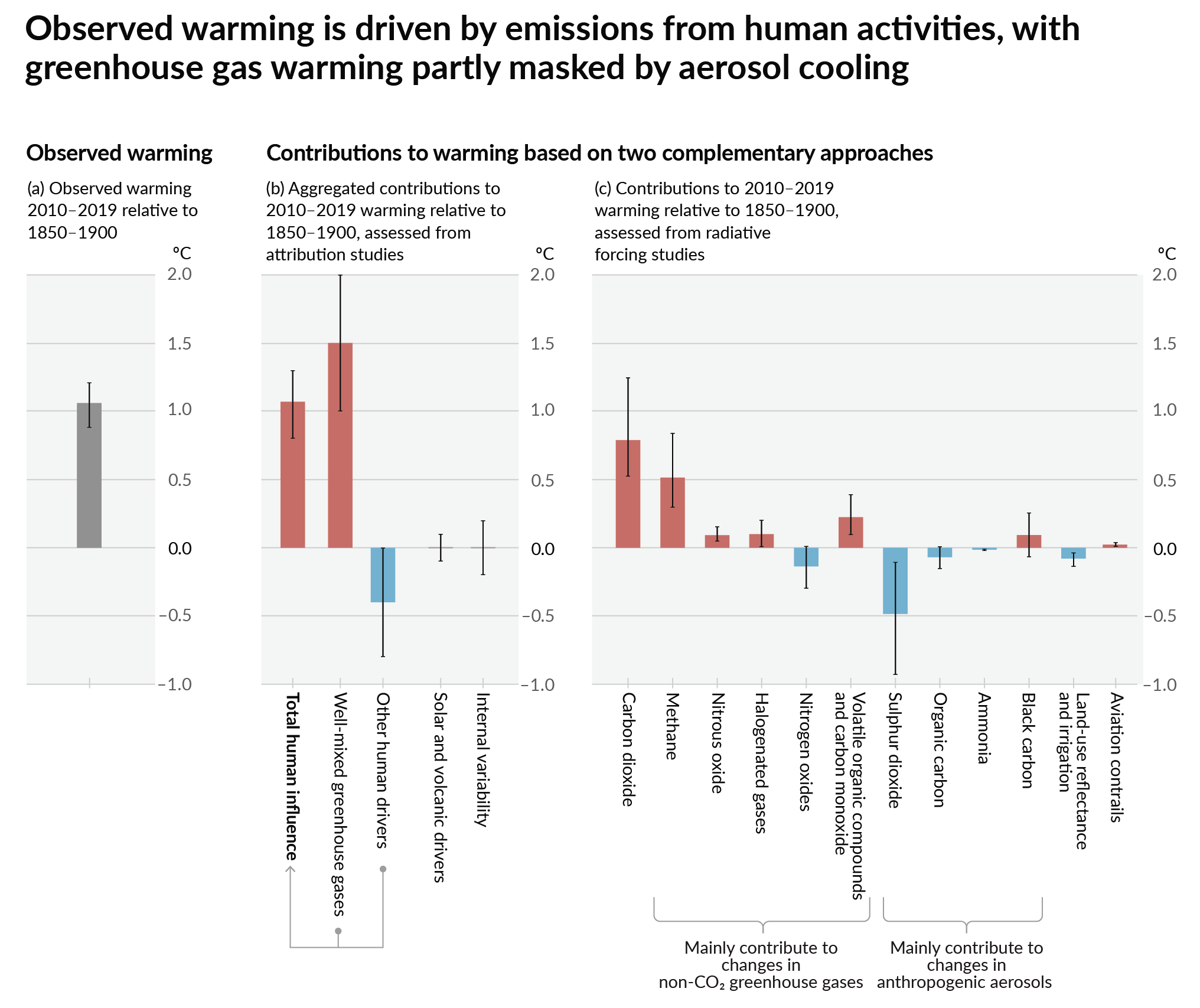
As a starting point, the burning of fossil fuels, and to a lesser extent deforestation and release of methane are responsible for the warming in recent decades:
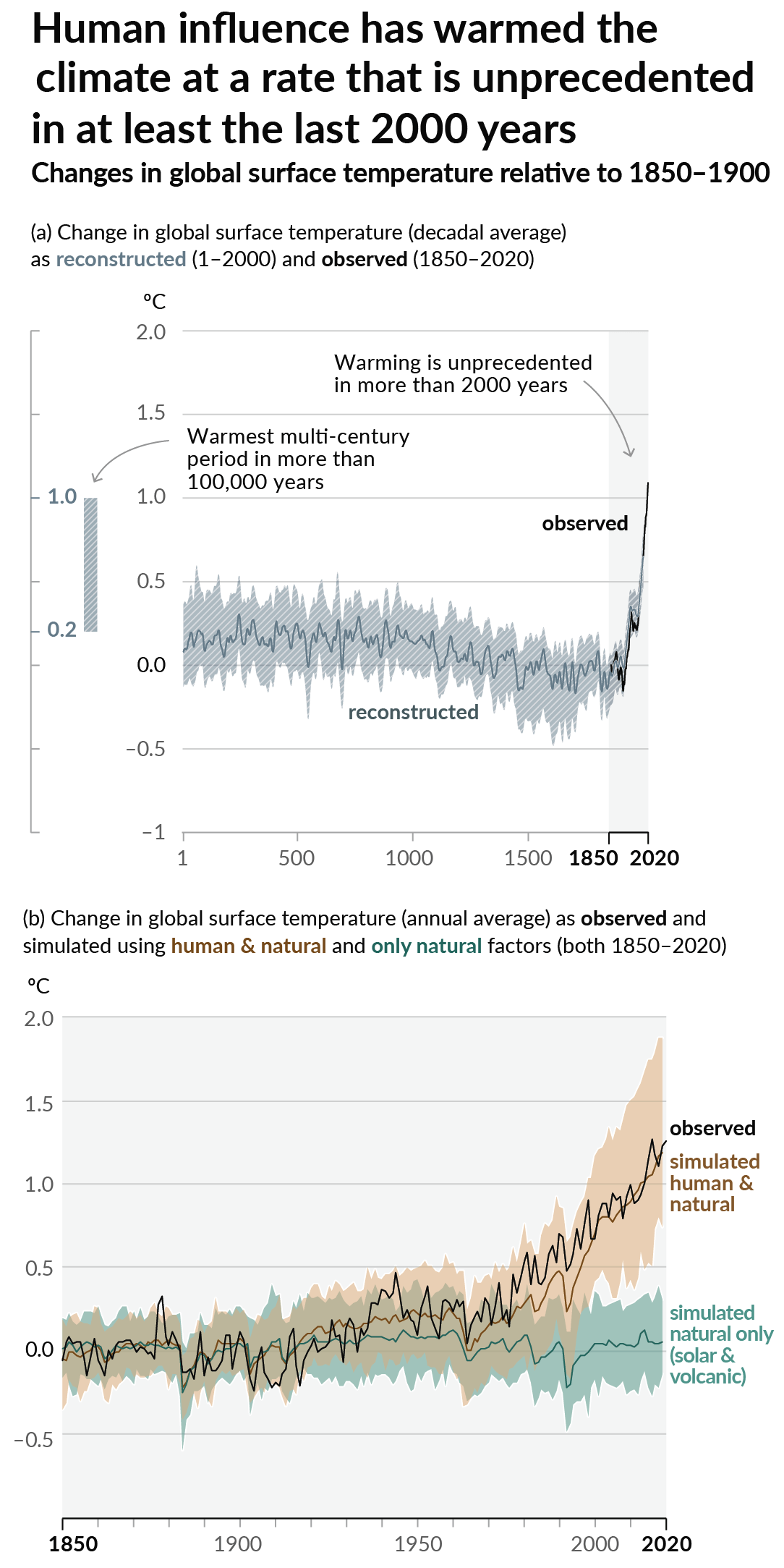
How much each change to the atmosphere has warmed the world:
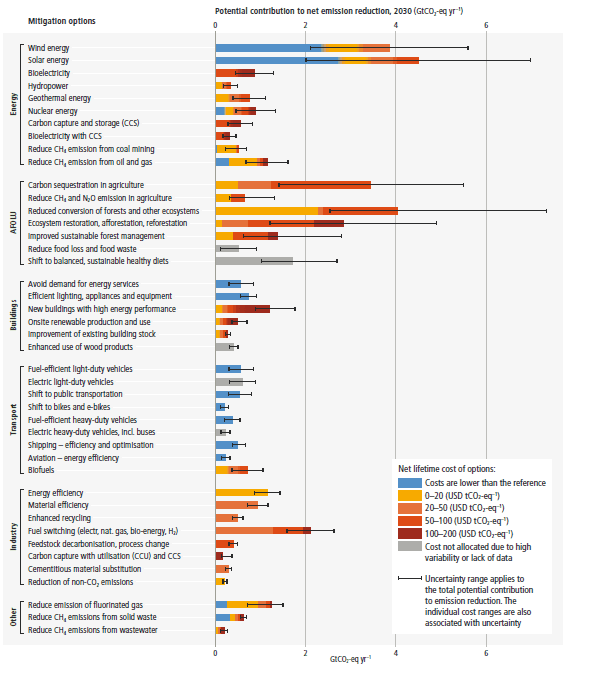
Recommended actions to cut greenhouse gas emissions in the near future:
Anti-science, inactivism, and unsupported conspiracy theories are not ok here.
That's industry standard at this point: storage of 4 hours worth of the nameplate power rating of the battery storage system.
If we really want to get rid of bad emissions for good, it should be way above that.
No, if you're only now discovering this fact, you're probably not very familiar with the engineering tradeoffs that led the industry to settle on 4 hours of capacity for any given power rating. These systems are designed to fully discharge every night, and 4 hours is a good guarantee that it can.
If you have the batteries to build an 8 hour system, it's more effective, at this stage in the game, to build 2 separate 4 hour systems and place them in different places. That will offset more high-carbon peaker plant usage, compared to a single 8-hour system.
In future buildouts, the number might be able to creep higher after peaker plants are obsolete year round, but for now building a bunch of 4-hour storage sites is the most cost effective way to decarbonize.
How does that work during winter?