this post was submitted on 29 Aug 2026
456 points (97.9% liked)
Climate
8948 readers
492 users here now
Discussion of climate, how it is changing, activism around that, the politics, and the energy systems change we need in order to stabilize things.
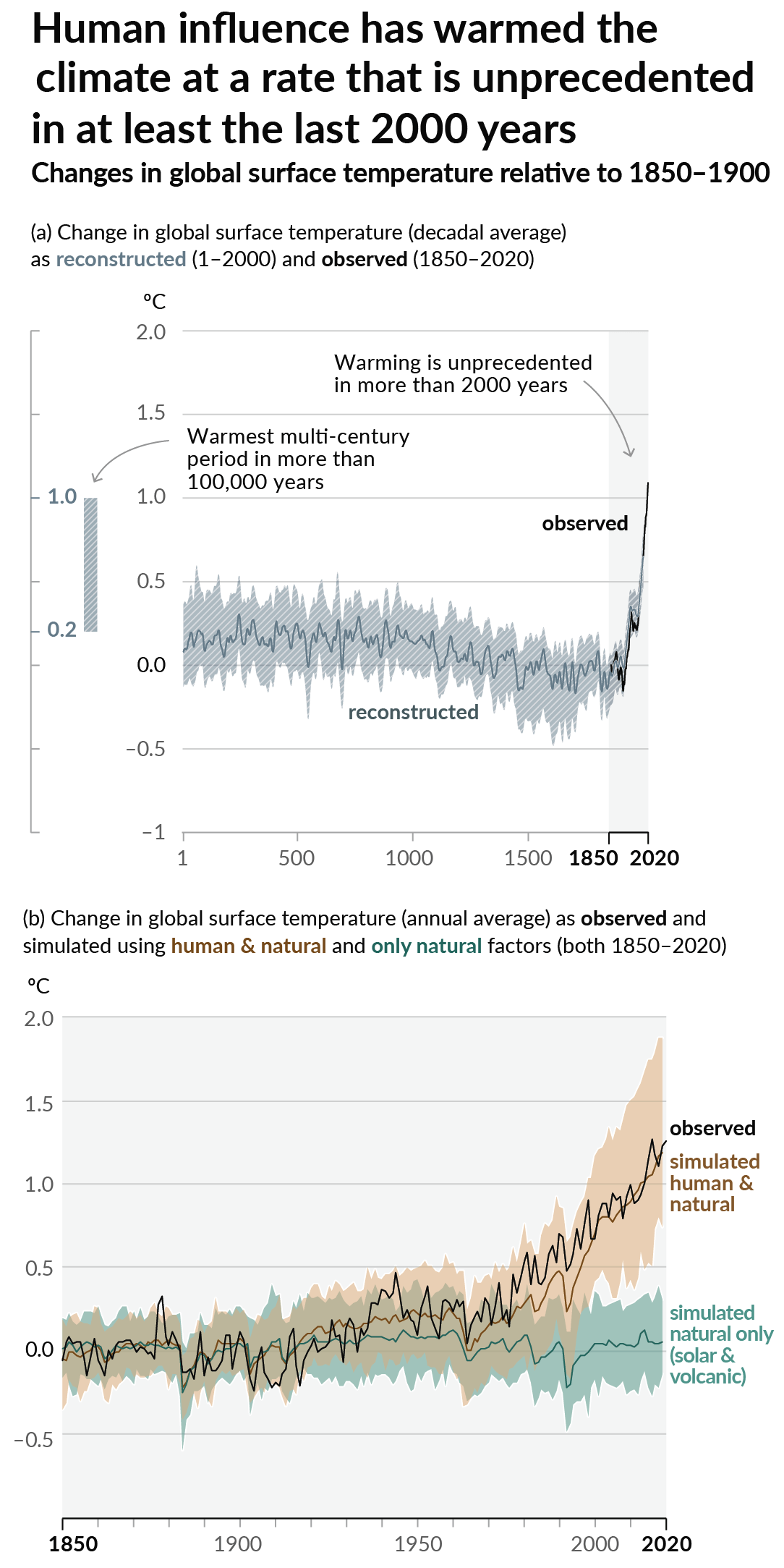
As a starting point, the burning of fossil fuels, and to a lesser extent deforestation and release of methane are responsible for the warming in recent decades:
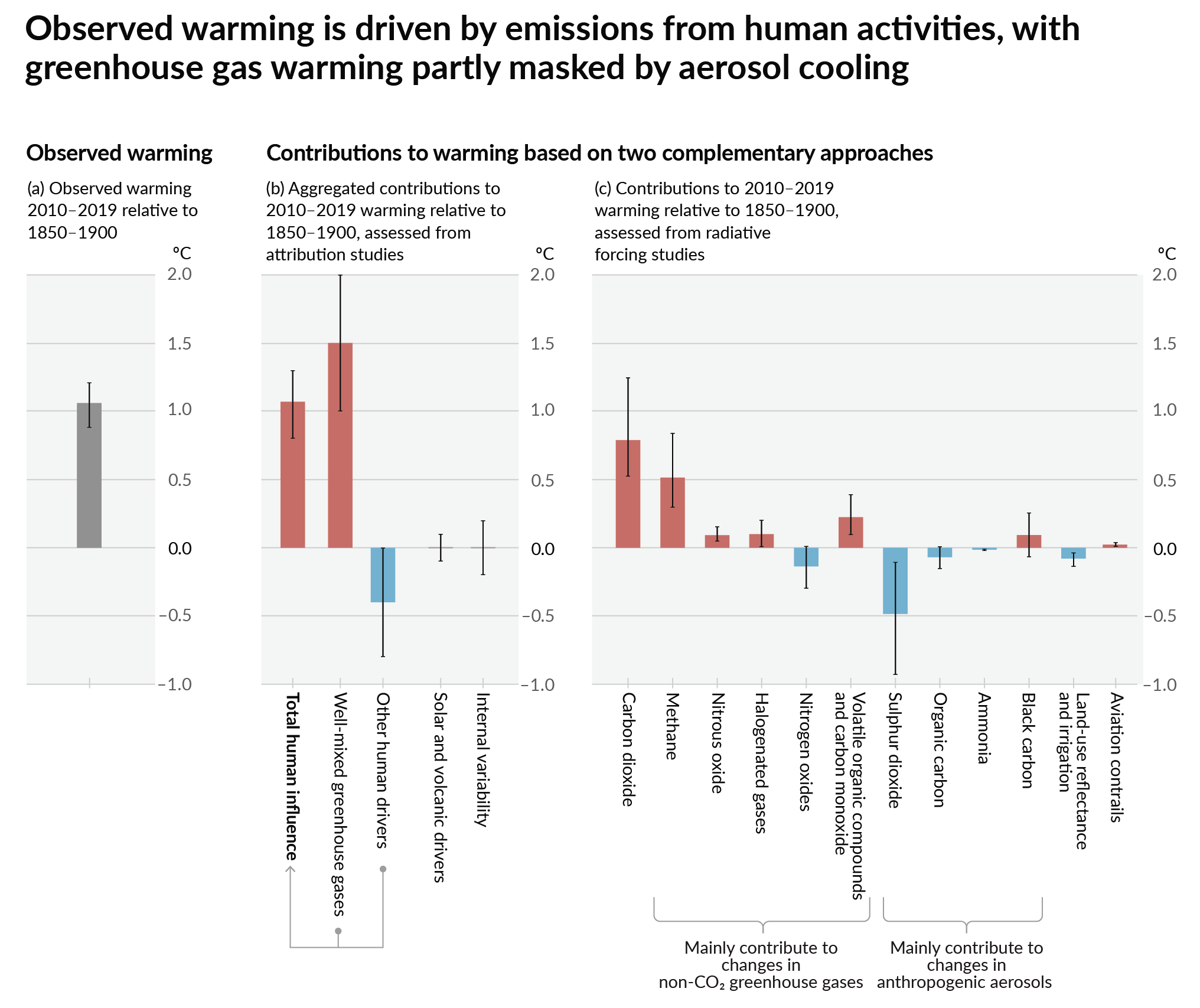
How much each change to the atmosphere has warmed the world:
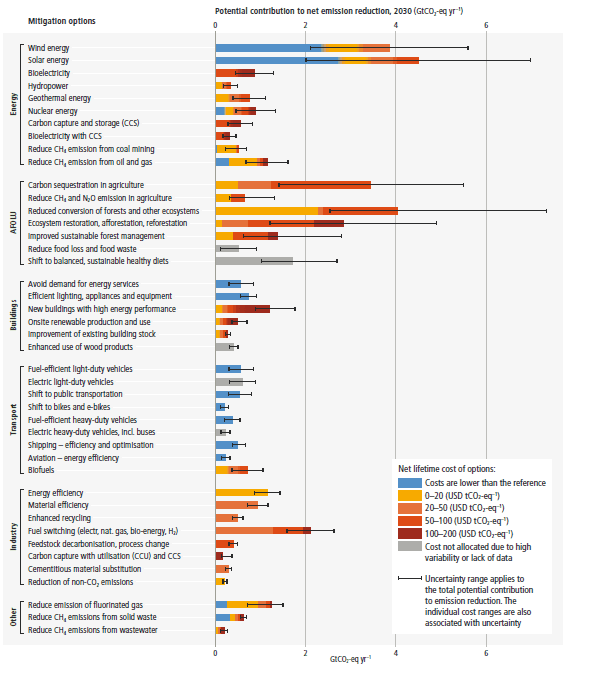
Recommended actions to cut greenhouse gas emissions in the near future:
Anti-science, inactivism, and unsupported conspiracy theories are not ok here.
founded 3 years ago
MODERATORS
you are viewing a single comment's thread
view the rest of the comments
view the rest of the comments
I have regularly commuted by bicycle when living in The Netherlands, England and Germany and bicycles are really only for traveling inside the city not for going between cities.
Back when I lived in The Netherlands at one point I had a bicycle at home and another parked at the train station on the city where I worked, so I would commute to the train station nearest to were I lived using my home bicycle, leave it there, travel by train to a different city, pick up the bicycle I had there from the train station and use it to do the last leg to get to work. At the end of the day I would do the reverse.
Even having a bicycle to cover just 1 or 2 km is quite a time saver (easily turning a leg of a journey that takes 15m walking into one that takes 5m).
That said, I could do it like that because in The Netherlands there are proper parking places for bicycles at all train stations plus trains are pretty good.
When living in London (which at the time seriously lacked good conditions for cycling) I just used my bicycle to go from home directly to work, which was maybe 4km, took me around 23 minutes and was actually faster than using the Tube (the subway), whilst in Berlin it was sorta the same length of ride but from where I was living to were I was studying.
Obviously in all those places the bicycle was also useful for things like doing my weekly shopping (just get some bicycle bags).
Mind you, having a bicycle doesn't exclude also having a car, though I never really got a car in Germany (I was there for 3 months only, living and studying in Berlin) whilst in London I actually ended up selling my car because it was just a massive money drain (especially because in the last place I had to pay for a garage) which I barely used since even without a bicycle, public transportation is excellent when living inside in or near the core of the city (so, Zone 1 - 3).