this post was submitted on 24 May 2026
1242 points (99.1% liked)
Work Reform
16397 readers
1485 users here now
A place to discuss positive changes that can make work more equitable, and to vent about current practices. We are NOT against work; we just want the fruits of our labor to be recognized better.
Our Philosophies:
- All workers must be paid a living wage for their labor.
- Income inequality is the main cause of lower living standards.
- Workers must join together and fight back for what is rightfully theirs.
- We must not be divided and conquered. Workers gain the most when they focus on unifying issues.
Our Goals
- Higher wages for underpaid workers.
- Better worker representation, including but not limited to unions.
- Better and fewer working hours.
- Stimulating a massive wave of worker organizing in the United States and beyond.
- Organizing and supporting political causes and campaigns that put workers first.
founded 2 years ago
MODERATORS
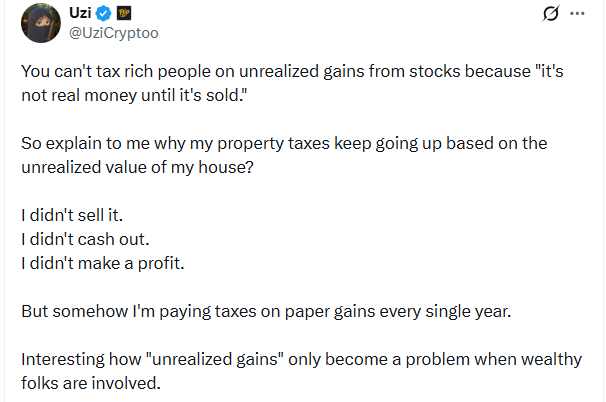
Okay a history lesson on how capitalism started and feudalism fell.
When you are "rich" in feudal society it means you have land. Land that everyone sees, that gives predictable income and even least educated peasant would be able to tax you reasonably (reasonably = as high as possible without you starting a rebellion over it). But then come merchants - they can have a wagon full of wood or just a small pouch of spices and it would be worth the same. Nobody really knows how much their wares earn because it fluctuates and every goods transport is a huge risk. So the merchants gain wealth indefinitely because king can't see how much they have ant tax them accordingly, while landowners get poor because they are taxed to oblivion.
Now who is the modern "nobility"? Who has wealth tied up and measured in such a way that government knows exactly how much to tax them? Wage workers. In fact your employer rats you out to government on how much you earn. In exchange things like companies, banks, stocks, loans etc. are in the "nobody knows how much they are worth" category. Say you are taxed 10% on the value of all the stocks you own, this means you have to sell 10% of your stocks annually, and by selling stocks you make those stocks less valuable for everyone... so technically they should be taxed less because value drops down? Generally speaking if taxing something changes it's value drastically then governments avoid taxing it.
My personal solution - outlaw stocks, bonds and loans for fucks sake.
I enjoyed reading this perspective, thanks. It's definitely compelling.
Yeah, the financial market was never actually useful. Its just a money vacuum that the rich benefit from