terry tao grimly climbing into the hotdog suit
sc_griffith
joined 3 years ago
going off the article (i haven't read anything else about this) she actually says that. she claims this is the only job she could get where she wouldn't have to be away from her four kids for months. which, i don't think that's true? she could do voice acting surely
new odium symposium episode. we look at the evolution of keyboard warrior and self described most censored man on the internet jk sheindlin
https://www.patreon.com/OdiumSymposium/posts/23-gobsmacking-168259713
nice of the rationalists to remind me that no matter how ugly the ai situation gets they will never ever be capable of making a good point

i have to admit i think we are charlie kirk is a banger
zvi citing a self described "jewish nazi" almost right at the top is already impressive, but there's a chaser in that that guy's post starts with him saying he's being paid to write this by an ai company
definitely want this guy to be an important part of overhauling europe's economy
https://www.cnbc.com/2026/07/30/leopold-aschenbrenners-hedge-fund-is-facing-steep-ai-losses.html
that second link, man. at the top i was actually willing to buy his excuse ("i was just a college student"! sure. honestly, fine) but as soon as it got to the pollack part i went absolutely fucking feral. zero evidence of learning. what a fraud

especially amusing considering this, published only nine months after vox launched. not sure how much objective resource building the professional journalism would be buying you there, ezra
https://deadspin.com/46-times-vox-totally-fucked-up-a-story-1673835447/
i read a bit about that. i couldn't find quotes from the site employees saying they were trying to be wikipedia, so i didn't mention it because id have had to digress. but almost everyone who talked about the launch mentioned their weirdass card system for linking other articles, and that it was wikipedia like. and all the descriptions sounded AWFUL, like it would just be throwing useless rotating shit at you all the time
adrian still hasn't responded

Icarus Robotics is a startup with at least six million dollars in funding so far. the idea is to train robots on human workers to make space mass production... work. or something.
anyway i don't see any red flags

Sarah and Helen are joined by reporter on the far right Michael Edison Hayden to discuss his new book Strange People on the Hill, about what happened when far right propaganda outlet VDARE bought a castle overlooking a small West Virginia town.

We discuss The Camp of the Saints, a racist novel that has quietly become fundamental to how the right wing talks about immigration.
Also, last week we released a members only episode about the pseudoscience paper repository viXra.
Links to more platforms on our website at https://www.odiumsymposium.com/

archive link: https://archive.ph/ONKkm
contextualizes the topic beautifully. you might learn a lot about how american racism relates to capital and art from this article
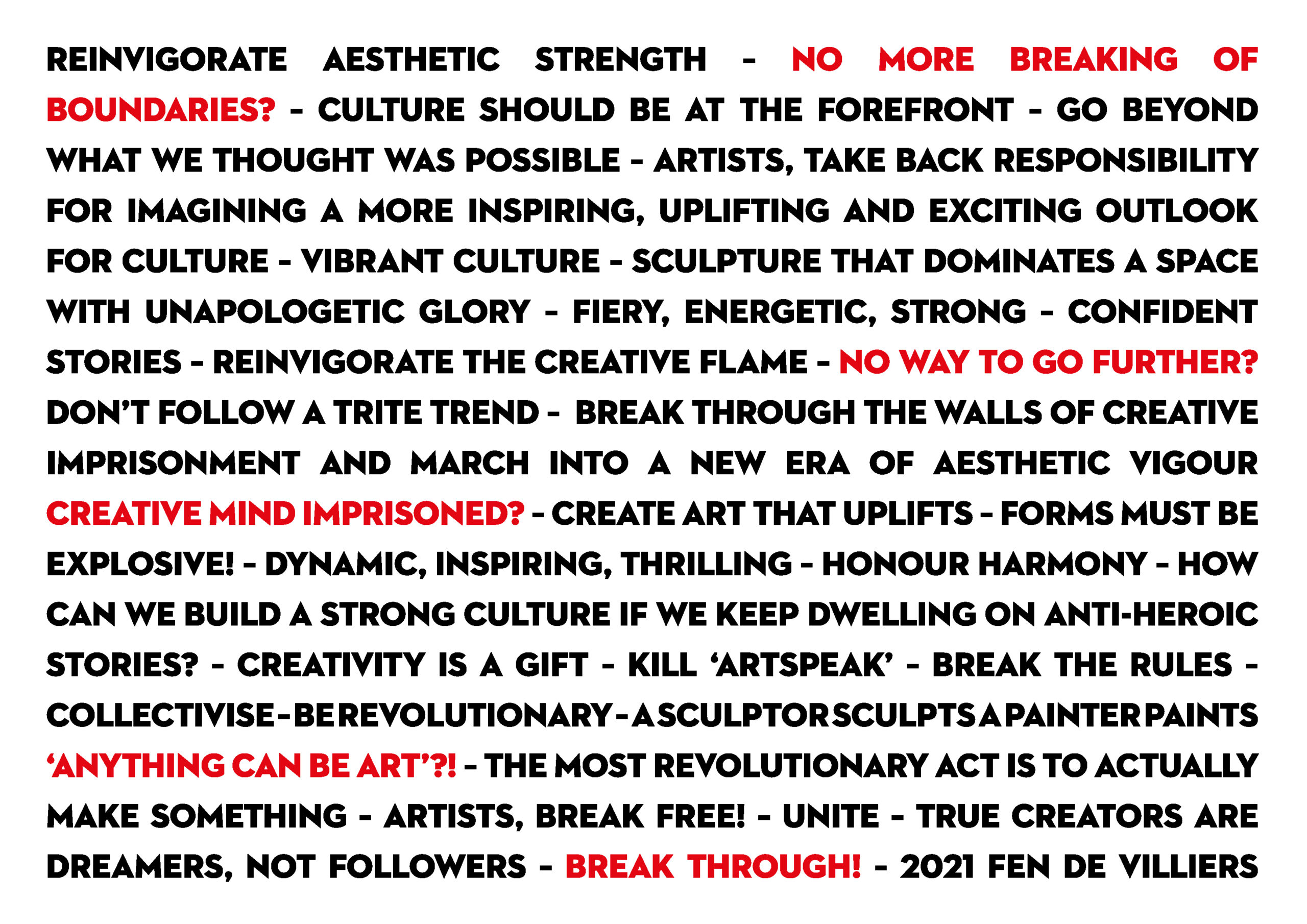
highlight: most of these guys are into classical art fascism but one of them, a bitcoin guy looking to build a 450 foot tall statue of prometheus, appears to be specifically into italian fascism. his favorite aesthetic is futurism and he hired a futurist sculptor with this "manifesto" on his website:
We all know Elon Musk as the funniest man alive.

but did you know that Musk is also a lifelong gamer? for example, here he is in the chess club of his whites only apartheid prep school.

grew out of that though.

really want to highlight the phrase "understandable when all we had to play with were squirrels and rocks." what the fuck is he talking about?
in any case, he clearly has some issues around the game and I suspect his performance in the chess club. the dude loves to downplay the complexity of the game.


he knows how to tune it up, though.

hmm. fog of war, tech trees, randomized starting positions. that actually sounds a little familiar. could it be...?

OH YEAH BABY! you knew it had to be polytopia!
what the fuck is polytopia?
this is polytopia:


sophisticated Gamers will notice three things here:
-
this is clearly a mobile game first, meaning it was developed to fit into the industry's nastiest shithole: the ios and android app markets. i'll tell you right now that polytopia doesn't have gambling in its microtransactions (which instantly makes it cream of the crop), but you can expect it to be braindead and shallow.
-
this game is for children. look the bright primary colors, the character's huge eyes, and the low poly style, which evokes minecraft.
-
this game looks a LOT like civilization. specifically, it looks like civilization 3:

For those not familiar, the civilization series is the standard bearer for the 4X genre. it's a style of slow, macromanagement focused turn based strategy focused on the "four Xes" of exploration, expansion, exploitation, and extermination. thematically, they present societies as machines for producing imperialism. the civilization games are also fearsomely complex and famously deep.
not so with polytopia:


so yeah, it's baby civilization. but the thing that really kills me is that musk is obsessed with this game. like... really obsessed, according to a story published on yahoo finance.

This puff piece is sourced from "Benzinga," a tech finance news site that seems to mostly post about crypto, ai and tesla. context clues suggest the content is entirely ripped from walter isaacson's biography of musk. I have to emphasize that all of this is intended to be flattering - right in the middle, they take a break from the content to shill some affiliate link I won't click on:

that's the image of musk they want to convey. anything they include is in support of that.

saying "I am just wired for war" because you play a lot of polytopia is classic elon cringe. beating a game's developer is nothing to brag about, by the way. most game developers are terrible at their own games.
i would argue that ragequitting to the parking lot to smack down your employee/mother of your children in a baby game is also not something to brag about:


flexing on mom almost shows up more than once in the article...

... except, twist, for some reason he beat his employee but not his partner???

and yes, he sulked like a little shitbag he when he lost. one has to suspect that if his sycophants weren't constantly throwing polytopia matches against him he'd have turned on it just like he did chess.
before you read this next bit I want to emphasize again that EVERYTHING IN THIS ARTICLE IS INTENDED TO BE FLATTERING.

his brother seems to feel the same way

(and from another benzinga sourced yahoo finance story):

here's what i think: elon musk isn't learning shit from polytopia. he's a profoundly stupid and childish man who likes moving brightly colored blocks around and being told he won. he's projecting the disgusting and wretched pile of deficiencies which is his personality onto a game for babies. as someone who only fails upward and cannot stand to fail, it is impossible for him to learn from reality; doing so would require facing what is too painful to face.
view more: next ›
he's probably done more work promoting llms in math than anyone else has, and probably by a lot