lemmingabouttoexplode

joined 2 years ago
[–] lemmingabouttoexplode@lemmy.ca 2 points 1 month ago (1 children)

I have both a bandsaw and scrollsaw, and use the scrollsaw for thicker wood all the time. 7cm would be pushing the tool to the limit. When I cut 5cm maple, the blade bent considerably inside the wood, and burning was a real factor. However, I was pushing and should have just slowed down.

Still use my scrollsaw all the time, it's pretty much the only thing I've found that does good interior cuts of of wood, and curves much better than a bandsaw.

[–] lemmingabouttoexplode@lemmy.ca 1 points 3 months ago* (last edited 3 months ago)

Agree with others about the joints. I had a 20 gallon aquarium on an old pine table my dad built. Mortise and tenon joinery on the aprons, plus angle brackets to hold the legs in (which were 2.5"x1.5"). This is 50 years old and quite frankly over-built.

The top started buckling, cracked, and the legs splayed a little under the load after a year. It's mostly healed itself in the ten years since the aquarium has been gone, but never underestimate how much weight an aquarium can put out.

He designed a pine stand for a 70 gallon aquarium after that, and the floor buckled before it did. The top is slotted pine, like this, (for condensation which can damage wood) with small spacer blocks in between. I believe these sit on 4x4s that are mostly hidden on the inside by being part of panels and frame. Mostly mortise and tenon and bridle joints.
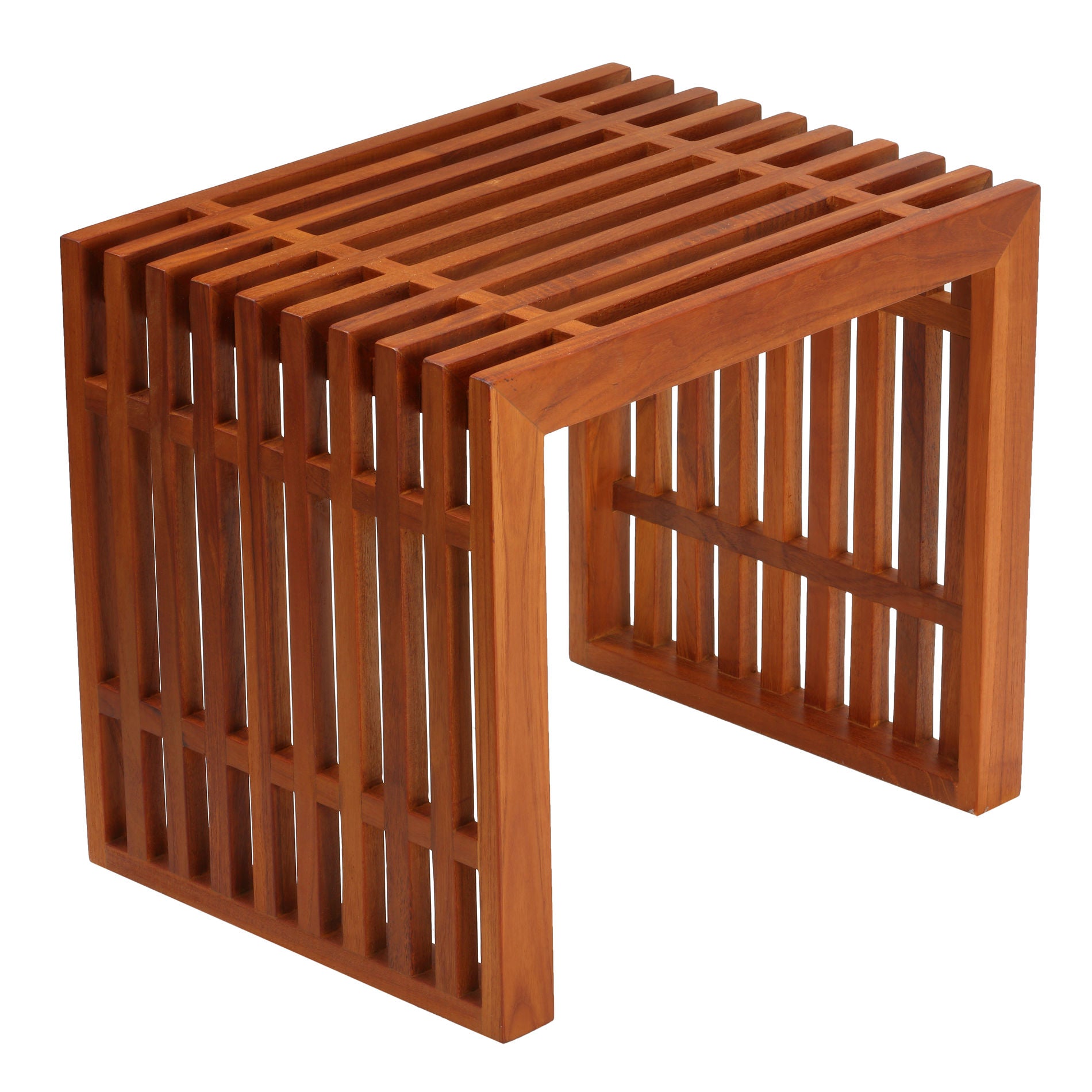
Most of the examples online use construction lumber on the inside, and face frames on the outside.

[–] lemmingabouttoexplode@lemmy.ca 1 points 5 months ago

If you find anything, let me know. I wear prescription glasses, and then safety glasses over those, and if I have a dust mask or respirator on, either the respirator gets pushed down and pinches my nostrils shut or my safety glasses get pushed up.

I live in NC too (piedmont)! I use the 3M combined face shield. Before adding hearing protection to the mix made everything too cumbersome so I was skipping out on safety. Some close calls made me appreciate the utility of the combined products. I keep trying to convince myself to buy one of the $400 active air ones.

[–] lemmingabouttoexplode@lemmy.ca 3 points 7 months ago

This is kind of a weird video, more content than instruction. It's a lot of unnecessary effort to put into shop furniture: like using sliding dovetails and sanding the top. Then you're left with a product that is less easy to use than a belt sander (try changing belts, what's the grit?) and takes up a massive amount of space (which makes sense if you have two garages.) I mean, it's fun to see kids experimenting, but if you're creating content think about what your audience needs or wants to watch.

[–] lemmingabouttoexplode@lemmy.ca 0 points 7 months ago (1 children)

In the first class I took we used a danish, poly, and mineral spirits blend, which is still going strong ten years later. I've been curious about trying this finish though.

[–] lemmingabouttoexplode@lemmy.ca 2 points 7 months ago* (last edited 7 months ago)

We just use baskets on a rolling rack with dowels that keep them at an angle. Looks better than plastic and it works fine, but plastic bins are starting to make their way in. I originally had grand plans of making a whale or elephant toy storage area that has a slide on the side, but we don't really have space, and my partner made the good point that the baby would get more value if I spent the time I would have used to build it with the baby. I'm really not liking how acute the opportunity cost of time is now, because I also want my child to grow up with the idea that they can make beautiful things to solve their problems.

[–] lemmingabouttoexplode@lemmy.ca 10 points 7 months ago* (last edited 7 months ago)

A scroll saw is a saw for cutting fine details. The motion it makes is almost like electric handsaw with a tiny strip of metal so it can get into really tight corners. The blade detaches fairly easily, and is so small that the big advantage is being able to cut inside a board, unlike a band saw. Jigsaws have a problem where the jigsaw blade is only secured on one side so it flaps around a lot, and a cut that looks perfect on one side is raggedy on the other; scrollsaws secure the bleade on both sides so there's less of that nonsense. The blade is thin, so it'll curve if you push it too hard and stretch over time, but even then, the worst of the curve is in the middle, not on the end.

I took a class with one, liked it enough to get a ryobi for christmas. Used that till it broke, and then saved up and got the big dewalt. I genuinely prefer using it to the bandsaw for any piece of wood under an inch. I've been surprised by how useful it is. Sadly, I think the best use case for the tool is dying out as more people can just get something like a glowforge or cnc. Yeah you may start at 5x the cost of a cheap scrollsaw, but for beginners the resulting work is also much more exact.

[–] lemmingabouttoexplode@lemmy.ca 2 points 9 months ago

Here's the old-fashioned version of that: Thomas Jefferson's Bookcase. Having built a book case inspired by this of this out of oak, I've noticed no deflection. (It's structurally different, center-keyed box joints instead of dovetails, thick plywood back, various clear finishes.)

However, I can tell you that there are a few functional problems. One is that the shelves do slide against each other. The little nubbins would help, however, you're cutting the fibers of the wood or into plys. That could increase deflection. I bought some handwrought nails and may end up using them, but I like the modular nature. Another is that these shelves are not light. I had hoped to make them easy to move, but they are not light. Finally, there's no cover, so books fall out as they're getting moved. Barrister bookshelves solve these problems.

[–] lemmingabouttoexplode@lemmy.ca 1 points 9 months ago

If it's bark or shaving it down, a drawknife is a perfect tool.