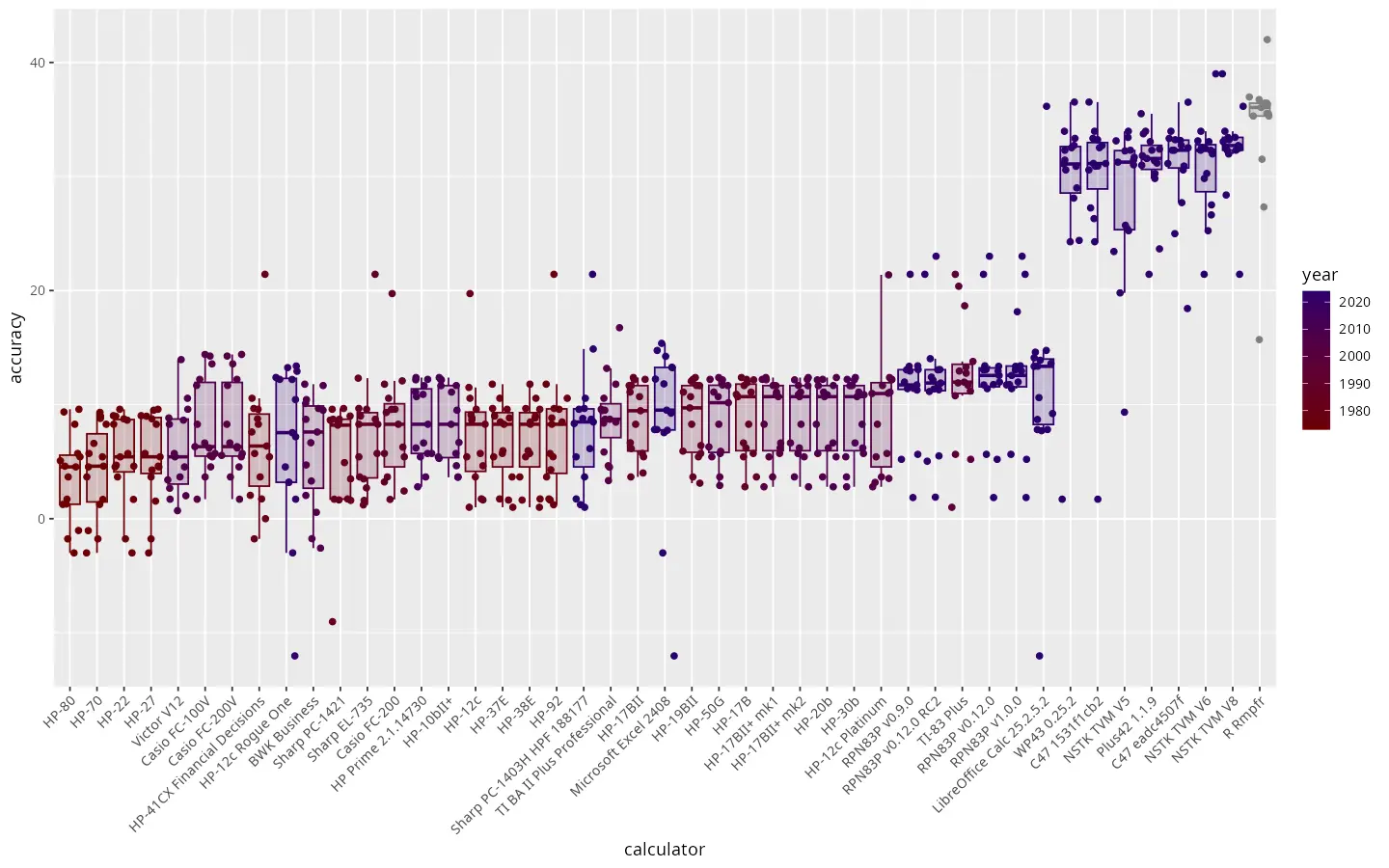
These are the tests which can give you quite a good profile and accuracy rating for your financial calculator. Any more contributions and confirmation are very much appreciated and I will update the swissmicros page (though I may need to move it off there at some point).
| #  | Ref        | N            | I%YR      | PV       | PMT          | FV        | P/YR | Mode  |
|----|------------|--------------|-----------|----------|--------------|-----------|------|-------|
| 1  | DM         | 38 x 12      | 5.25%     | 270'000  | ?            | 0         | 12   | end   |
| 1b | DM         | 38 x 12      | ?         | 270'000  | -14'584/12   | 0         | 12   | end   |
| 2  | SlideRule  | 360          | 15% → 12% | 100'000  | ?-?          | 0         | 12   | end   |
| 3  | Kahan 1983 | 60x60x24x365 | 10%       | 0        | -0.01        | ?         | =N   | end   |
| 4  | DM         | 480          | 0 → ?     | 100'000  | ?→ PMT       | 0         | 12   | end   |
| 5  | Dieter     | 10           | ?         | 50       | -30          | 400       | 1    | end   |
| 6  | Dieter     | 10           | ?         | 50       | -30          | 80        | 1    | end   |
| 7  | A Chan     | 10           | ?         | -100     | 10           | 1e-10     | 12   | end   |
| 8  | Miguel     | 32           | ?         | -999'999 | 0            | 1e6       | 1    | end   |
| 9  | DM         | ?            | 25        | 100000   | -2083.333334 | 0         | 12   | end   |
| 10 | DM         | ?            | 25        | 100000   | -2040.816327 | 0         | 12   | begin |
| 11 | robve      | 60x24x365    | 1/6% → ?  | 0        | -0.01        | ?→ FV     | =N   | end   |
| 12 | robve      | 40           | ? → I%YR  | 900      | -400         | -1000 → ? | 1    | begin |

2: https://www.hpmuseum.org/forum/thread-20707.html
3: https://www.hpmuseum.org/forum/thread-1012.html
5, 6: https://www.hpmuseum.org/cgi-sys/cgiwrap/hpmuseum/archv021.cgi?read=234439
7: https://www.hpmuseum.org/forum/thread-18359-post-161549.html#pid161549
8: https://www.hpmuseum.org/cgi-sys/cgiwrap/hpmuseum/archv017.cgi?read=120592
11, 12: https://www.hpmuseum.org/forum/thread-16565-page-2.html
Puzzle 2 is from here, and needs you to calculate PMT given n = 360, I%YR = 15%, PV = 100'000, FV = 0, then calculate PMT, but with I%YR = 12%. Subtract the two results, and put that back into PMT, then change n = 36 and I%YR = 15% again, and calculate PV.
Puzzle 3: you may need to divide I%PY by N depending on how your calculator handles i vs I%YR and what the limit is on P/YR.
Puzzle 4 needs you to calculate PMT first given I%YR = 0, then re-input this back into PMT and calculate I%YR. On the HP-12c this is best done by pressing x<>y twice before putting back into PMT.
Puzzle 11: calculate for FV first, re-input back to FV and compute I%YR.
Puzzle 12: calculate for i first, re-input back into i and compute FV.
The other puzzles are just a solve for '?'.
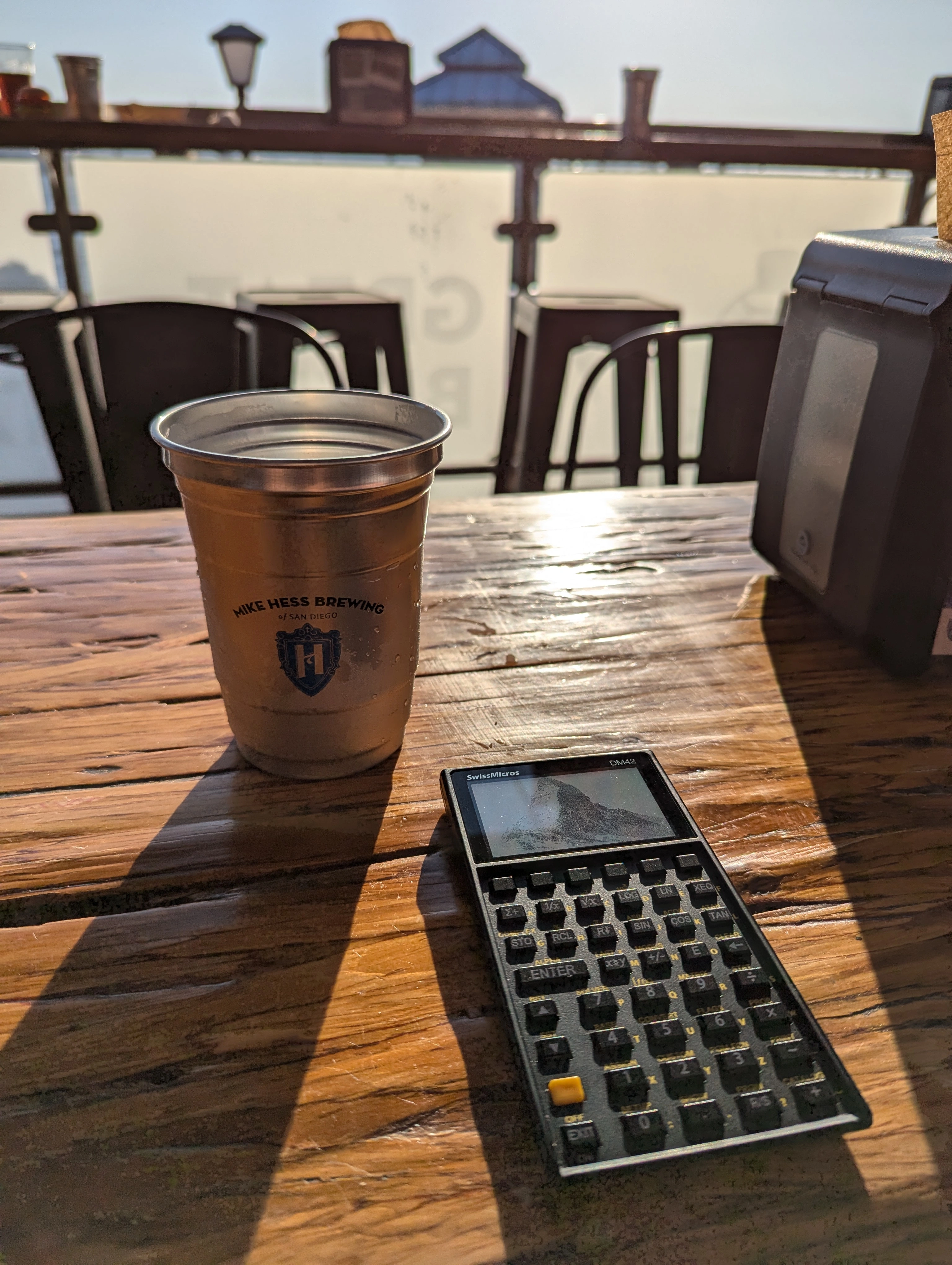
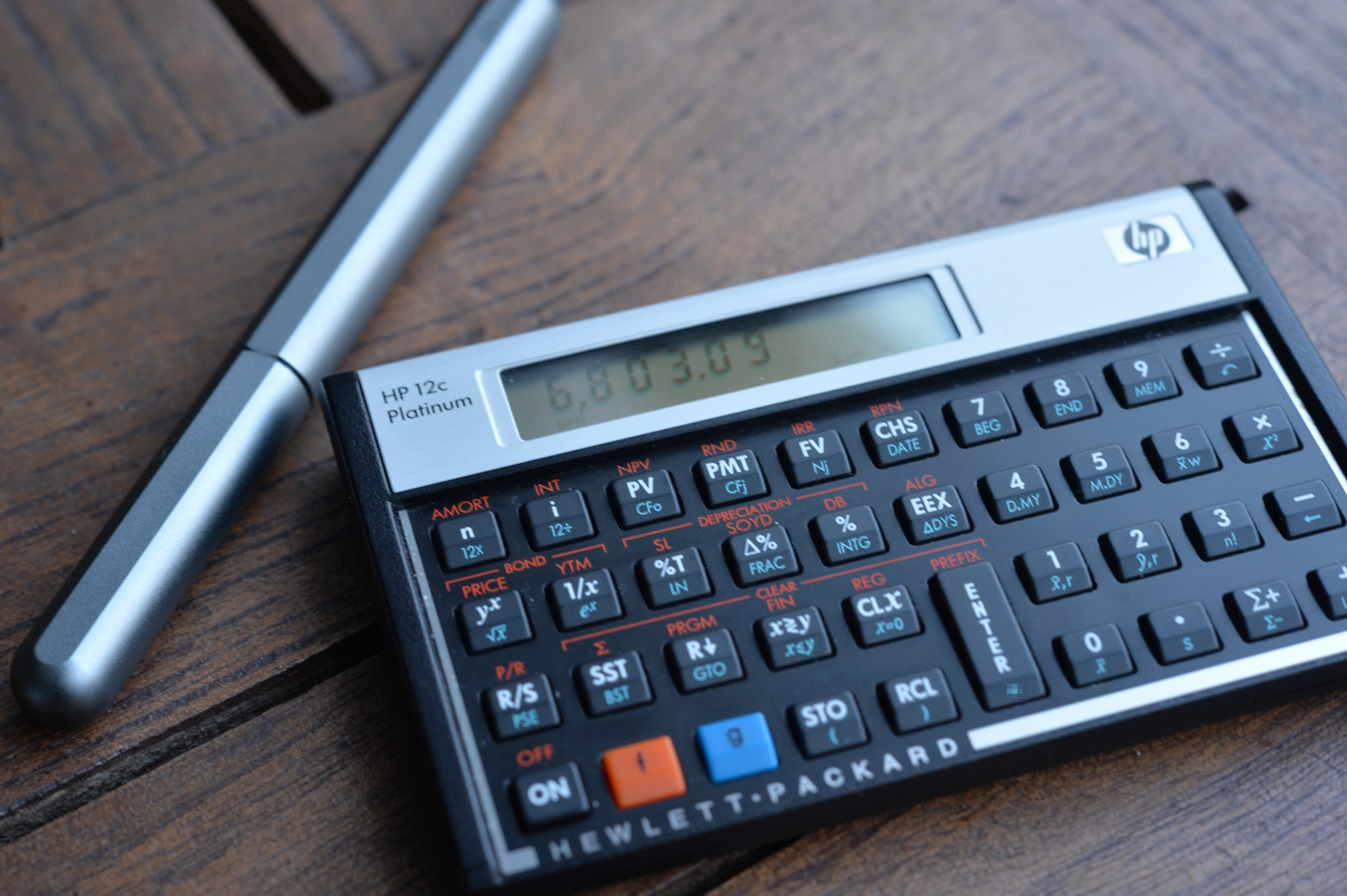
They can be a bit confusing, so I also did a couple of videos here and here solving them on a DM-42 and HP-12c.


Yes, I think the processor must be slower, and as a result, the integration is more limited. They also have different methods of differentiation, and maybe the Casio one is superior.
I don't have a 991-CW, but do you know what it can do with the complex functions? My experience of older Casio 991s is that complex is limited to arithmetic operations only. This seems to be the case on the W506T - i.e. it won't do Log or Sin of a complex number. But then many 'scientific/non-graphing' calculators (except for HP) don't.