It seems like it's fixed now, but if possible use one of the mirrors, so everyone's not hitting that one server all that hard, it's usually faster too.
Or even better, use the torrent.
It seems like it's fixed now, but if possible use one of the mirrors, so everyone's not hitting that one server all that hard, it's usually faster too.
Or even better, use the torrent.
Most thermal paste isn't electrically conductive, so that blob inbetween the capacitors shouldn't be an issue, but it would be good to know what thermal paste it is to be sure.
Yes, but it doesn't look like KPROBES_ON_FTRACE is supported on arm64. I did find this patch though which implements it: https://patchwork.kernel.org/project/linux-arm-kernel/patch/20191218140622.57bbaca5@xhacker.debian/
If you don't know how to apply a patch, you can either paste the link into b4, or download the mbox and apply it with git am.
Ahh okay, that description kinda sounds like floppy drive power, but it probably is a proprietary thing.
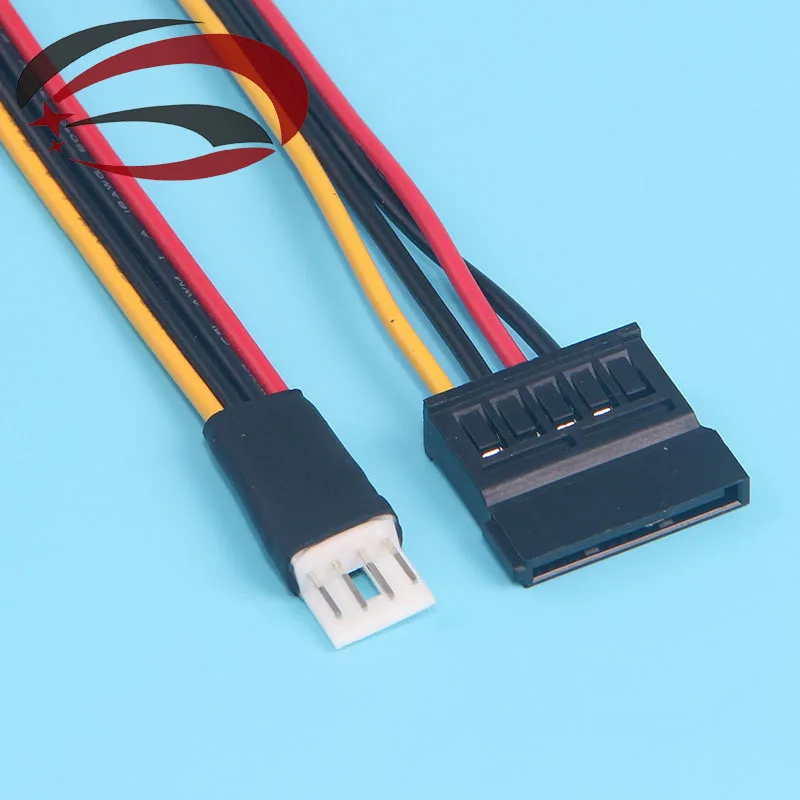
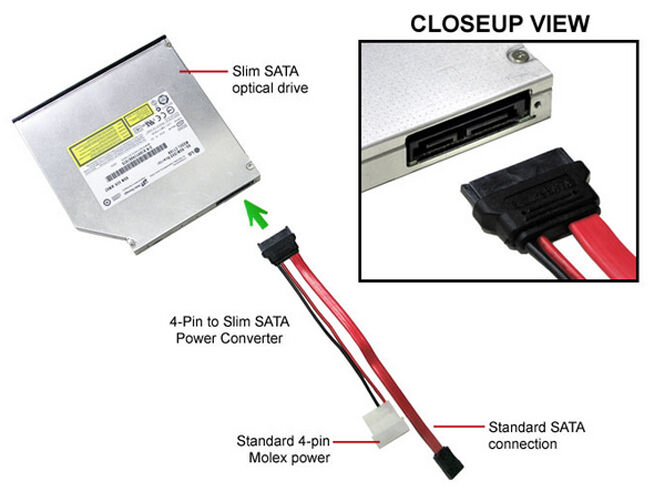
Could also be slimline sata.
Probably a long shot, but if you live in Australia (or maybe also New Zealand), Jaycar often sells the Ender 3 V3 SE for AU$250, which seemed like a really good price compared to other places I found.
I couldn't find a hard answer to whether this supports EPYC only, or Ryzen too; so I put together this script to read the CPUID to detect for INVLPGB support according to the AMD64 Programmer’s Manual, and my 7800X3D does not support INVLPGB.
(Let me know if I've made an error though!)
Code
#include <stdio.h>
#include <stdint.h>

int main() {
    uint32_t eax, ebx, ecx, edx;

    eax = 0x80000008;

    __asm__ __volatile__ (
        "cpuid"
        : "=a" (eax), "=b" (ebx), "=c" (ecx), "=d" (edx)
        : "a" (eax)
    );

    printf("EBX: 0x%x\n", ebx);

    if (ebx & (1 << 3)) {
        printf("CPU supports INVLPGB\n");
    } else {
        printf("CPU does not support INVLPGB\n");
    }

    return 0;
}
That's INVLPG which has been there since the 486. The AMD64 Programmer's Manual has some info on the differences between INVLPG, INVLPGA, and INVLPGB though.
If you're already getting an IPv6 prefix allocated, then you can randomise the second half of the address, most devices do this automatically with EUI-64.
Otherwise you pretty much just have to use some sort of IPv6 tunnel.
It's part of GNU Gzip, and zcat is basically just a shell script that runs exec gzip -cd "$@" meaning you can actually just do cat /usr/bin/zcat to get the source.
I've seen an S3 option in Smokeless_UMAF, so maybe you can enable real suspend, but I haven't tried on my Framework 13 AMD.