0
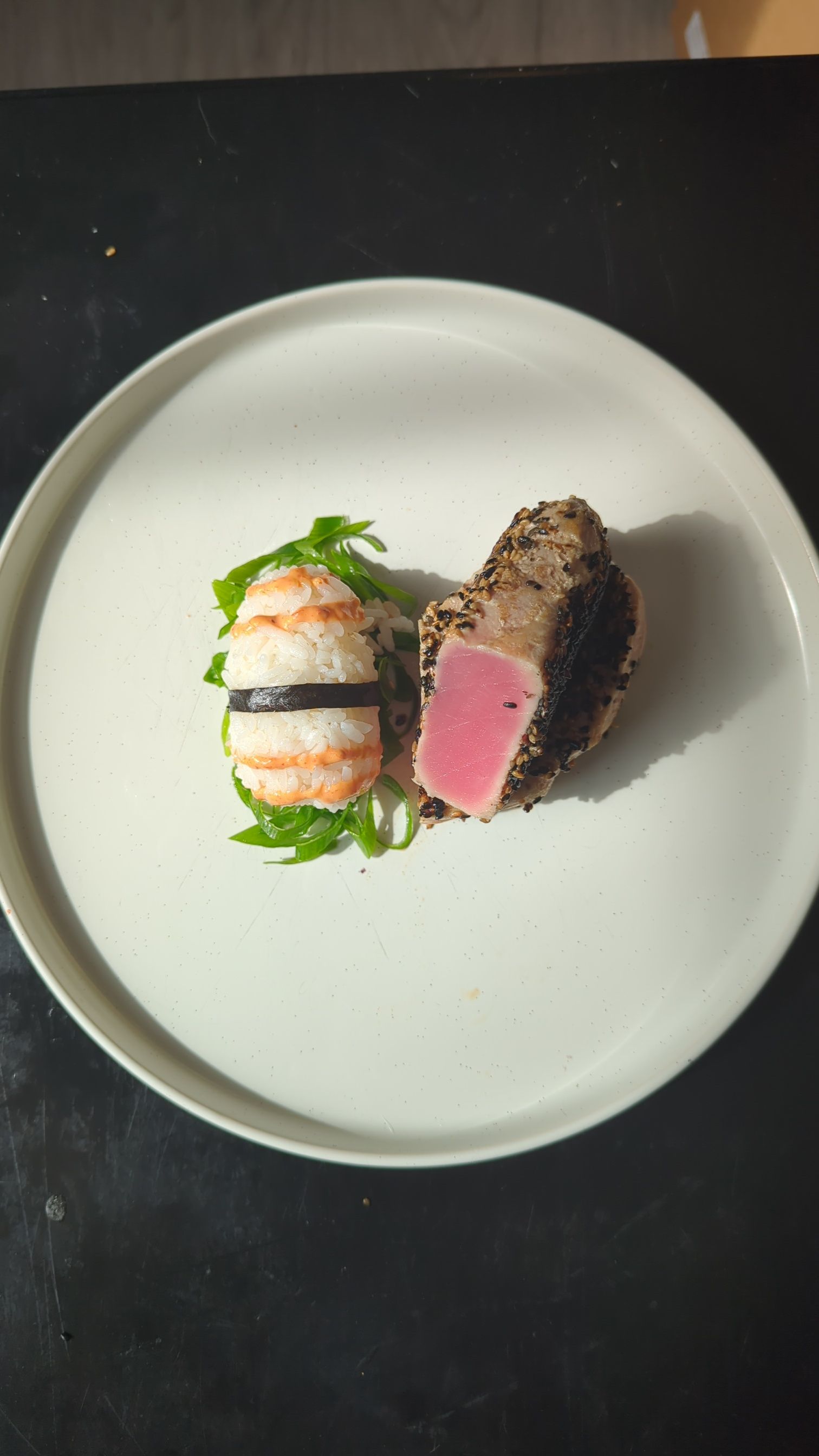
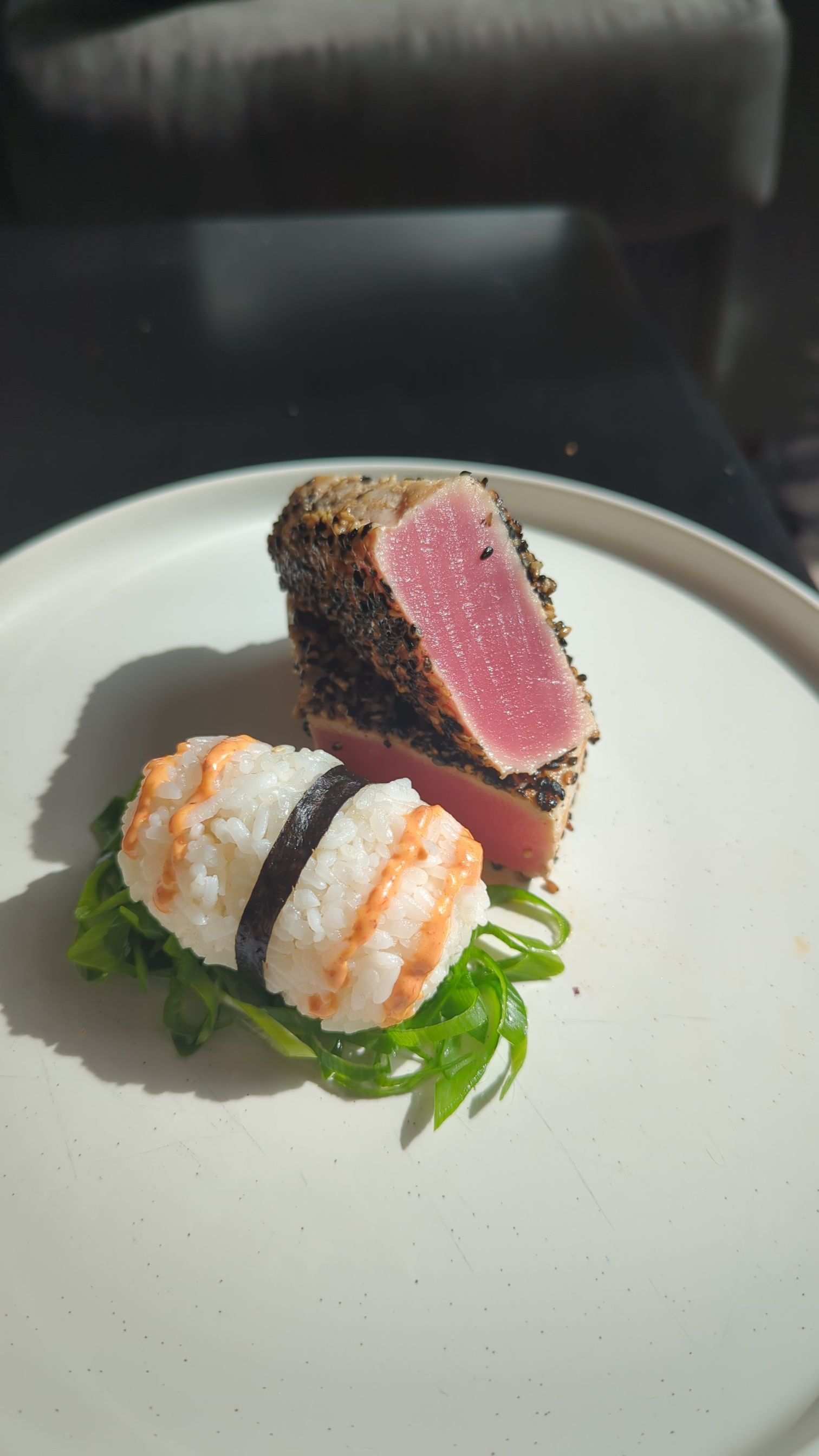
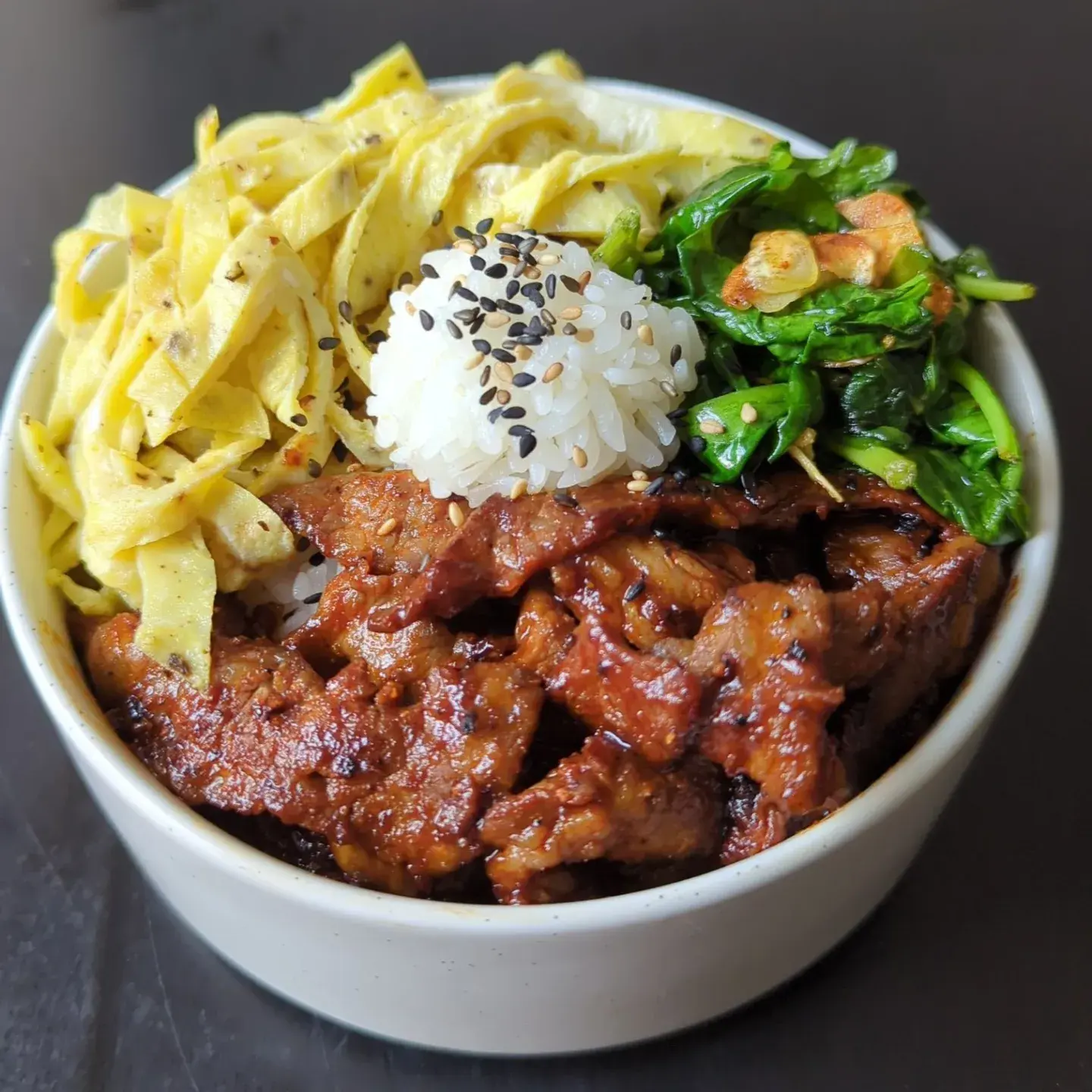
Thank you for the compliments! I think my plating is getting better because I try to take as much thinking out of my daily cooking as I can, which leaves me with time to visualize dishes when it comes time to actually cook them.
I set my menu for the work week on the weekend so I already have a rough outline of the dish components, then gather all of the fresh produce and meat I need so I'm not playing iron chef every meal. I don't deviate too far from the cooking techniques I know or try out more than one new thing at a time to ensure I stay in a semi-comfortable zone and can complete whatever I'm making. And since I didn't have to think about what to make or how to prepare it, I can dedicate more time to visualizing the end product.
I also have a ton of inspiration from people like Jules Cooking and Chef Majk from YouTube that guide me towards more modern plating techniques.
Appreciate it! And thank you for always being so helpful and giving feedback. Despite the down votes you're getting what you said is 100% accurate.
Appreciate the feedback. I noticed it after I had finished eating and was reviewing pictures. Nothing could be done at that point.

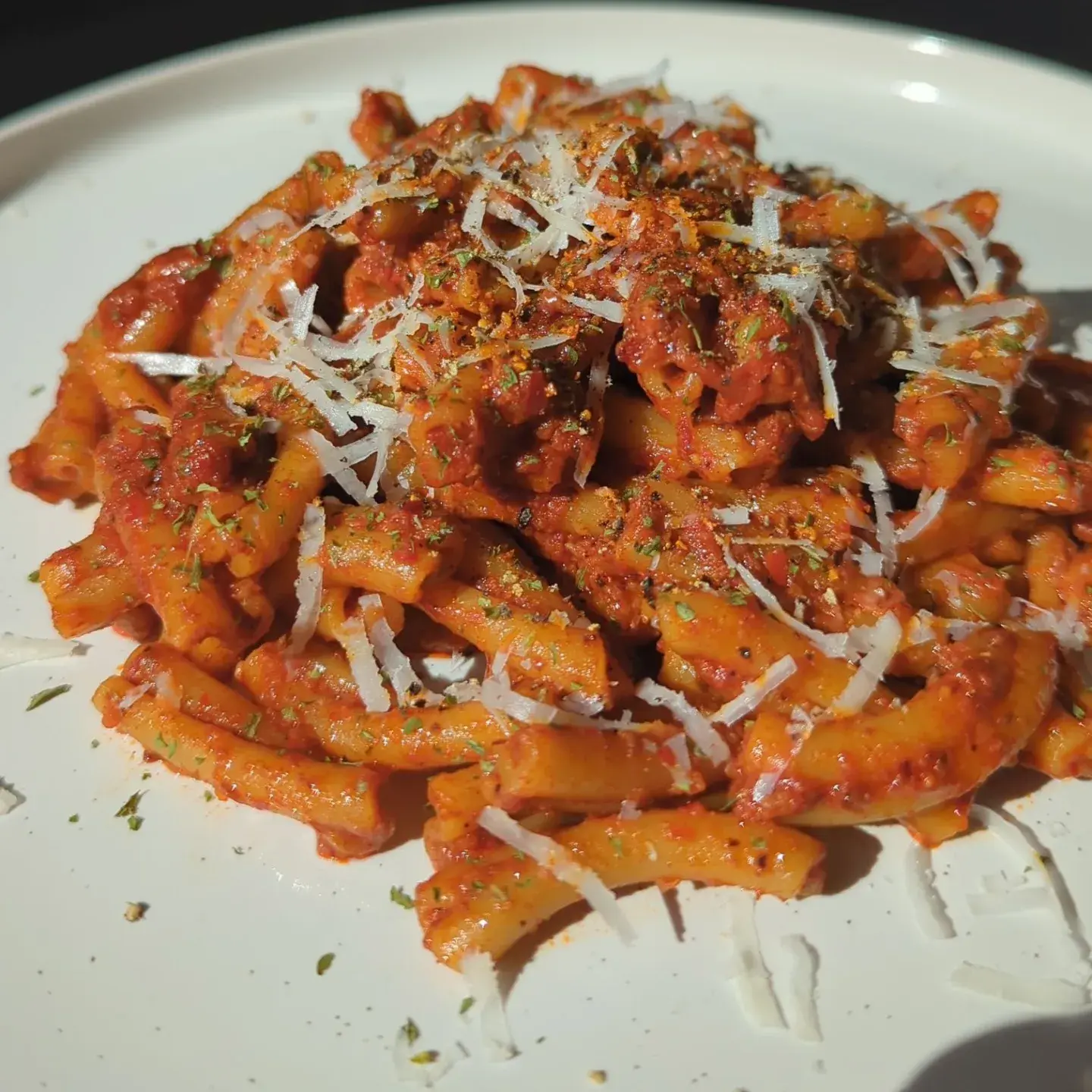
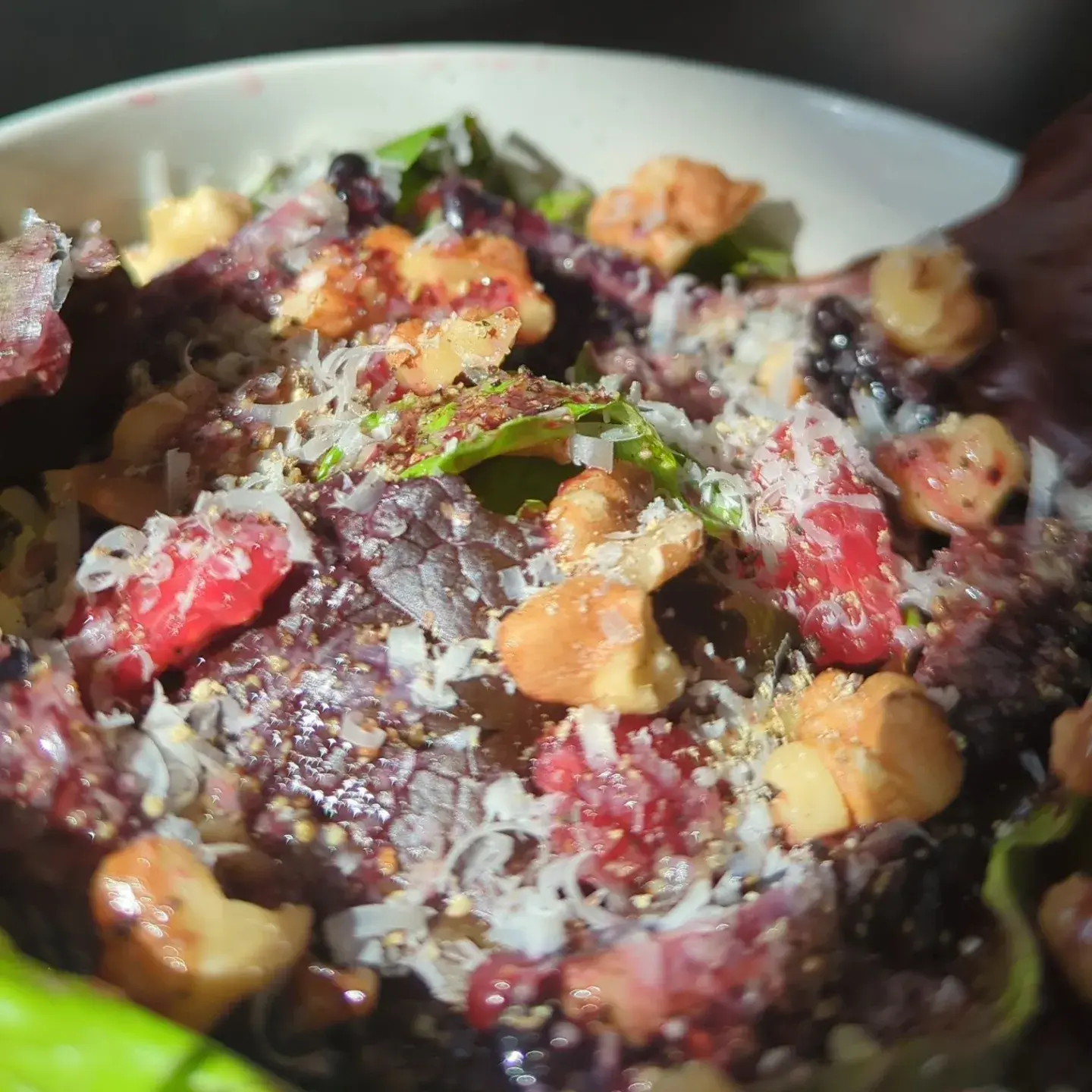
The sun now hits my window at an angle that casts a shadow right down the middle of my dinner table, giving me a natural vignette. Kinda cool, kinda annoying, but we're working with it.
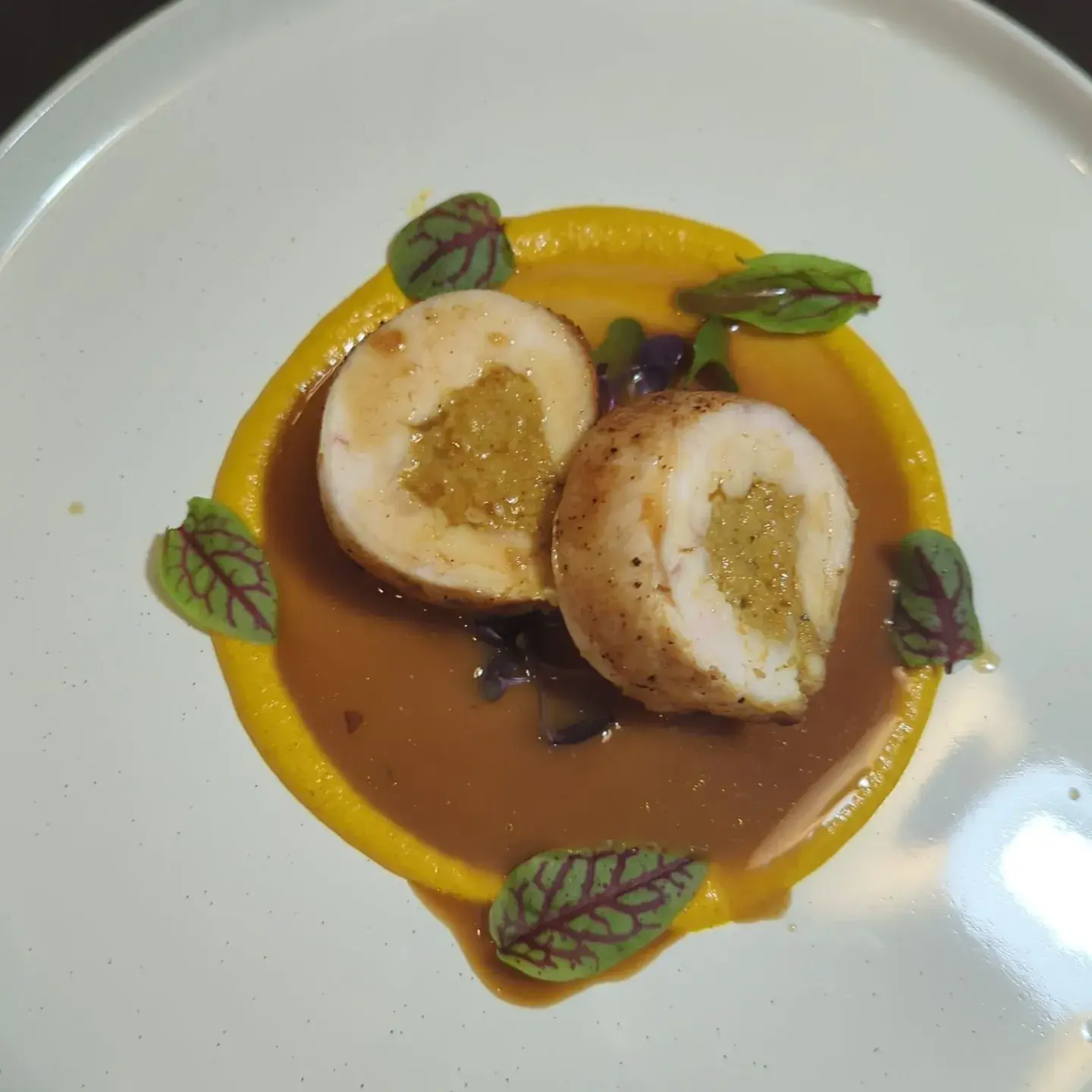
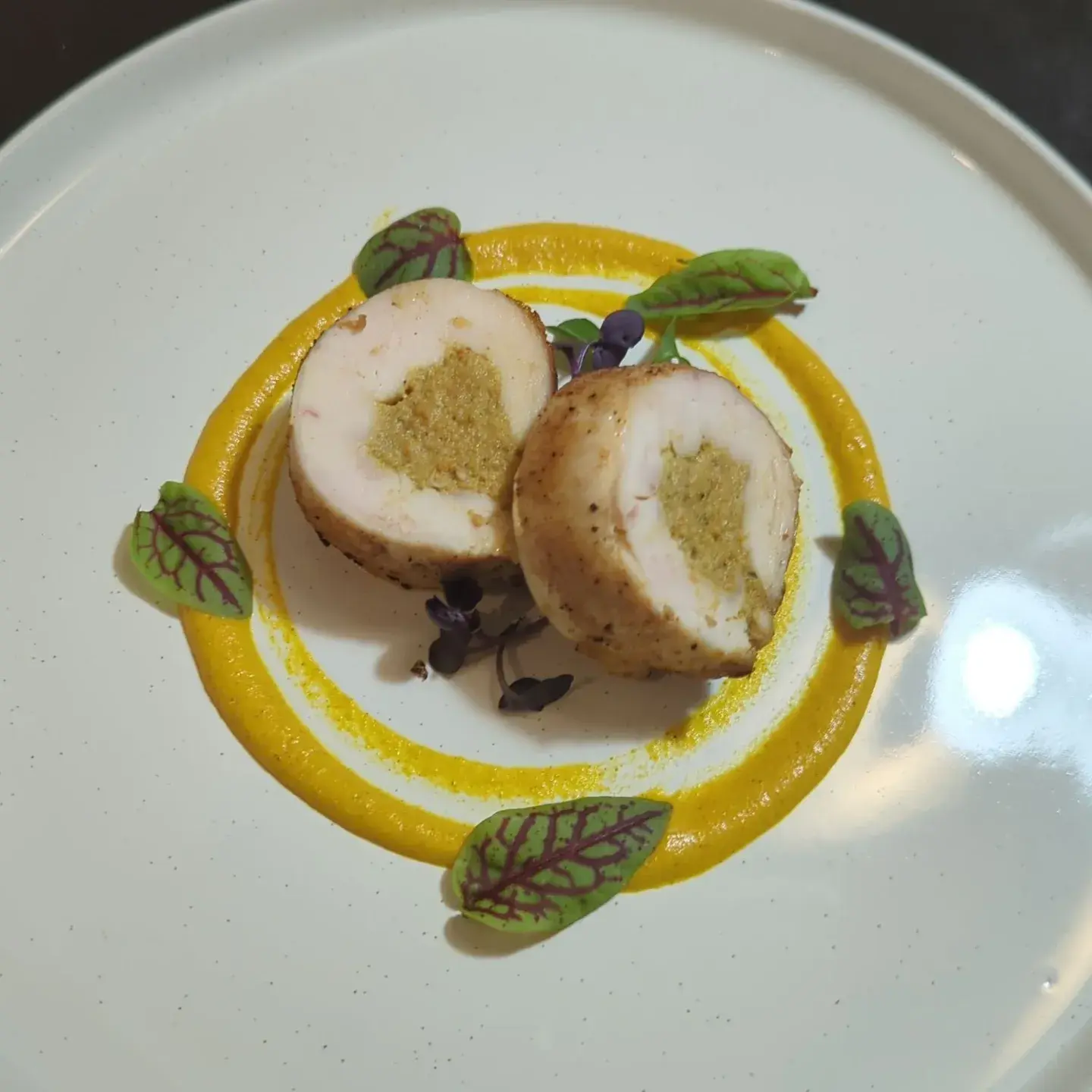
I broke down a full chicken, roasted and reduced the bones from stock to jus, dry brined a breast and thigh for 24 hours, blended the thigh with mirepoix and crimini mushrooms, stuffed that into the breast, and seared it in the smaltz that was rendered while making the jus.
While the ballotine finished in the oven, I made my carrot puree and finished the jus with butter, thyme, and shallots. Plated with some micro greens.
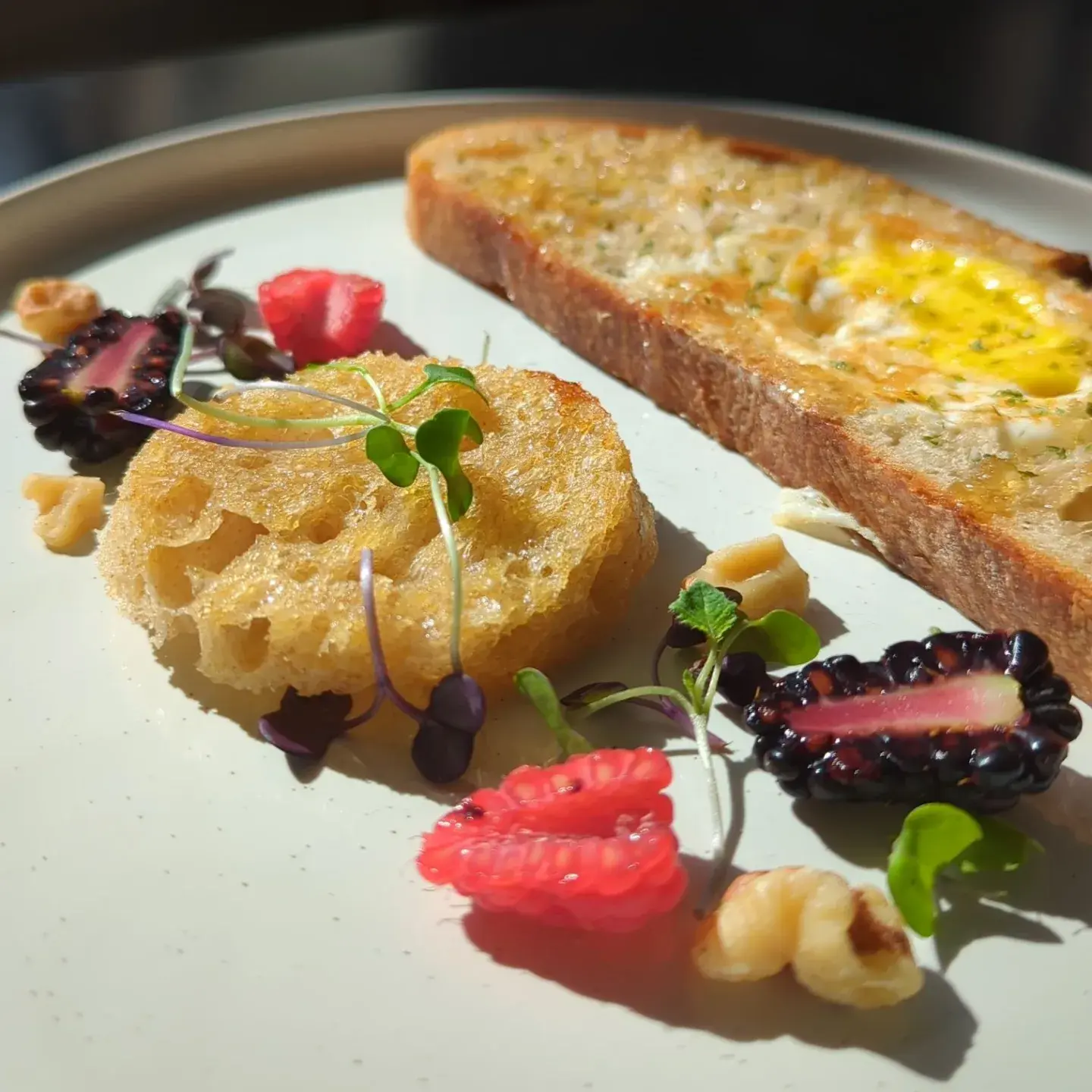
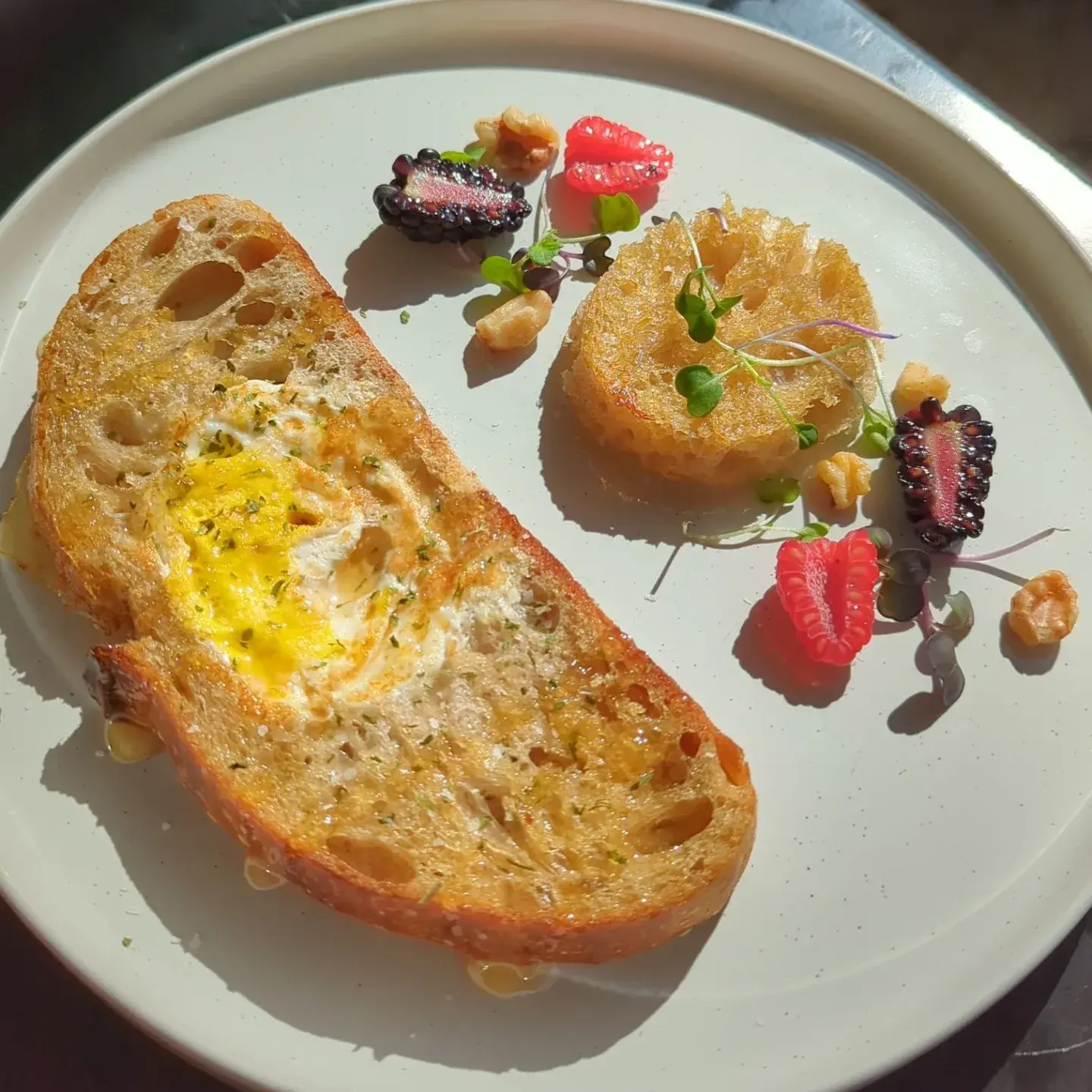


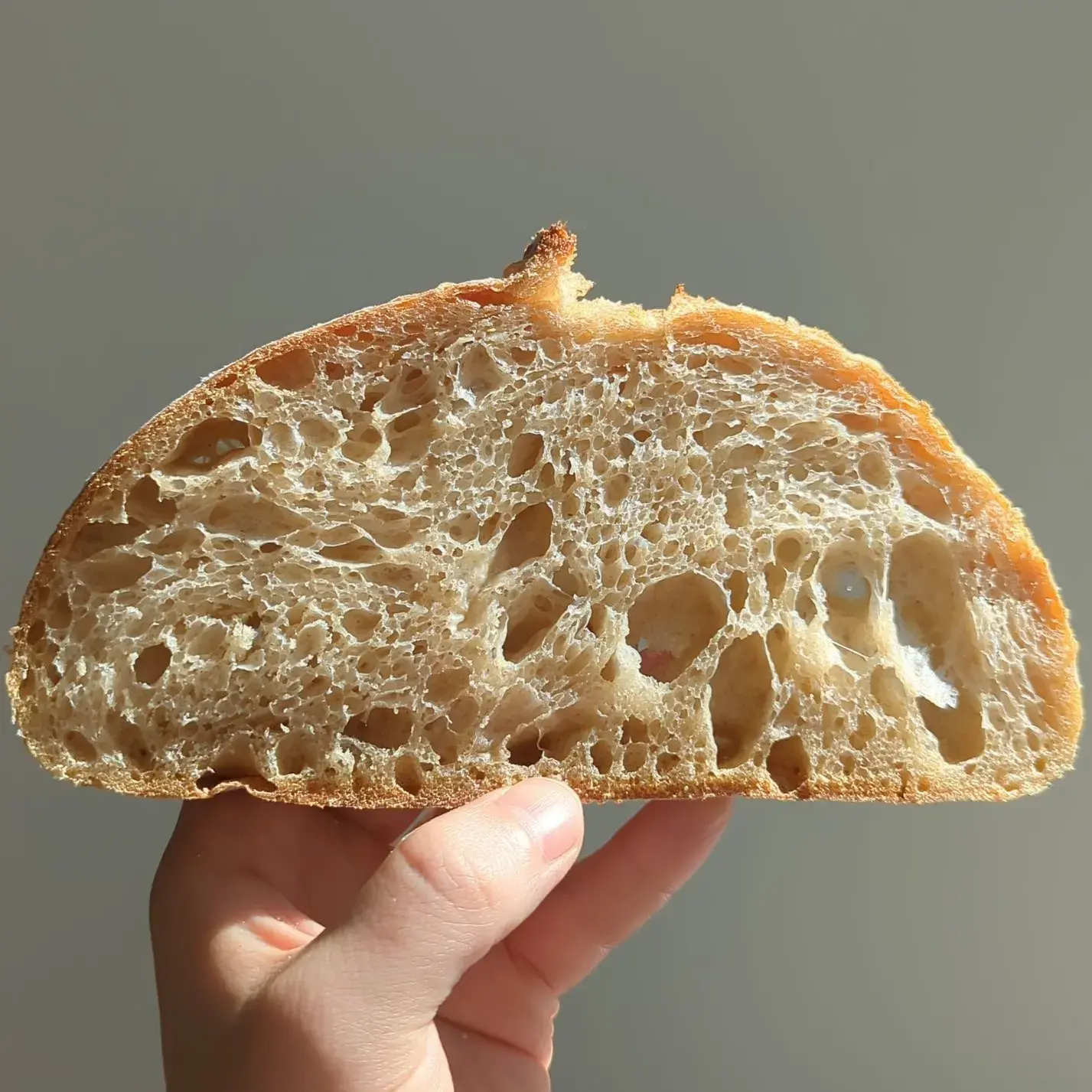
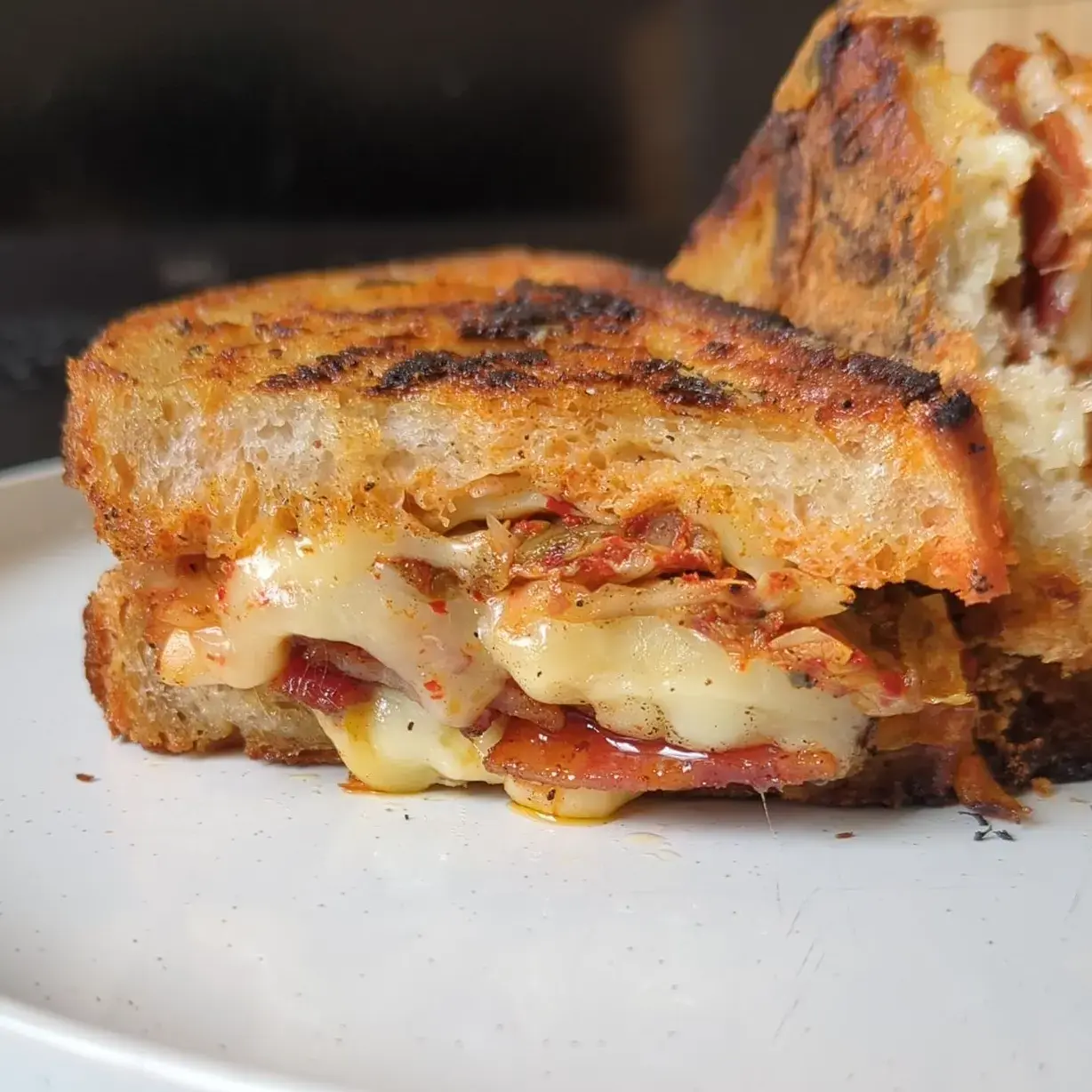
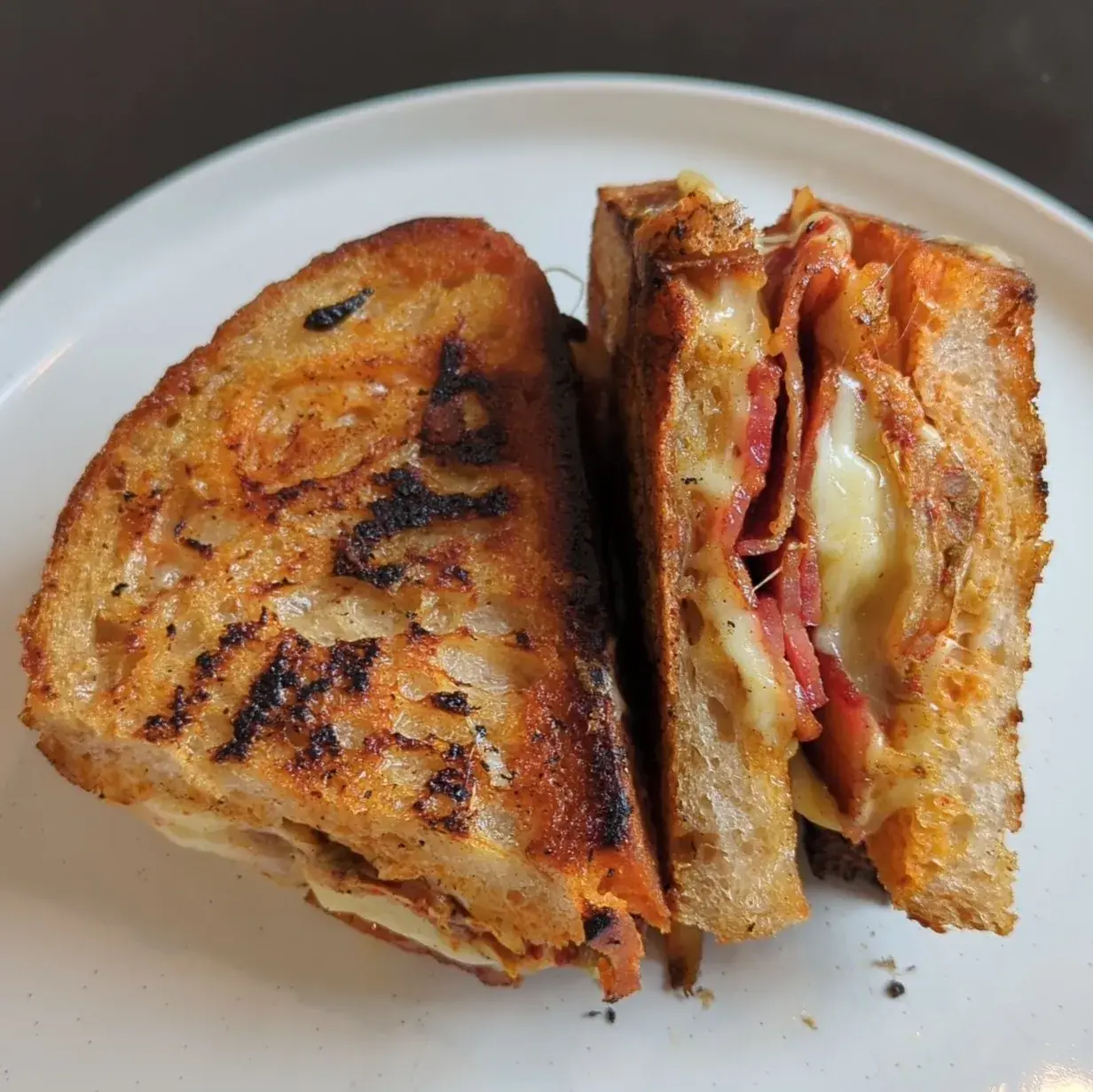


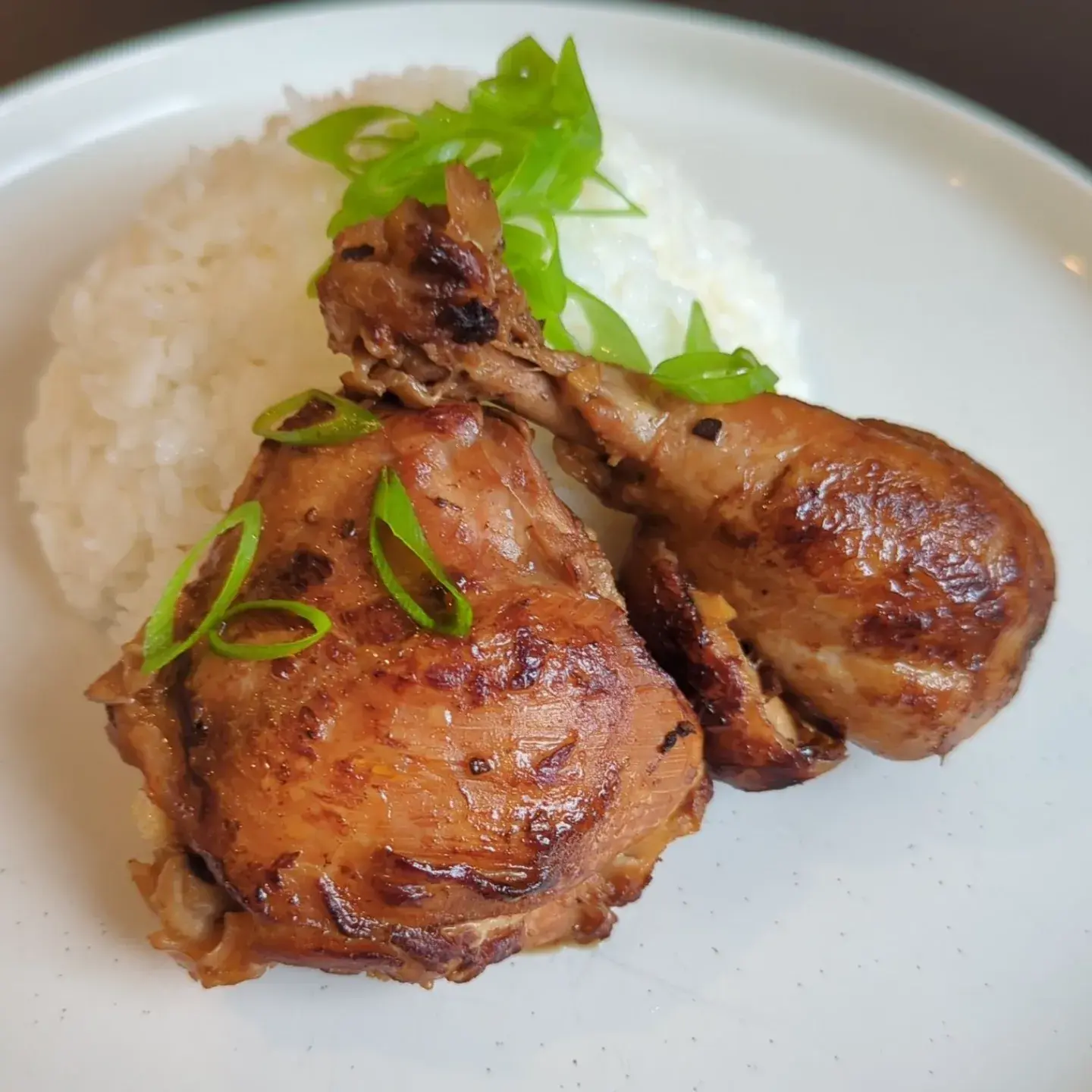
Thank you for all of your feedback and constructive criticism on my posts. I appreciate you taking the time to explain the aspects that can be improved upon for each. It means a lot that you'd take the time to do that for me. :)
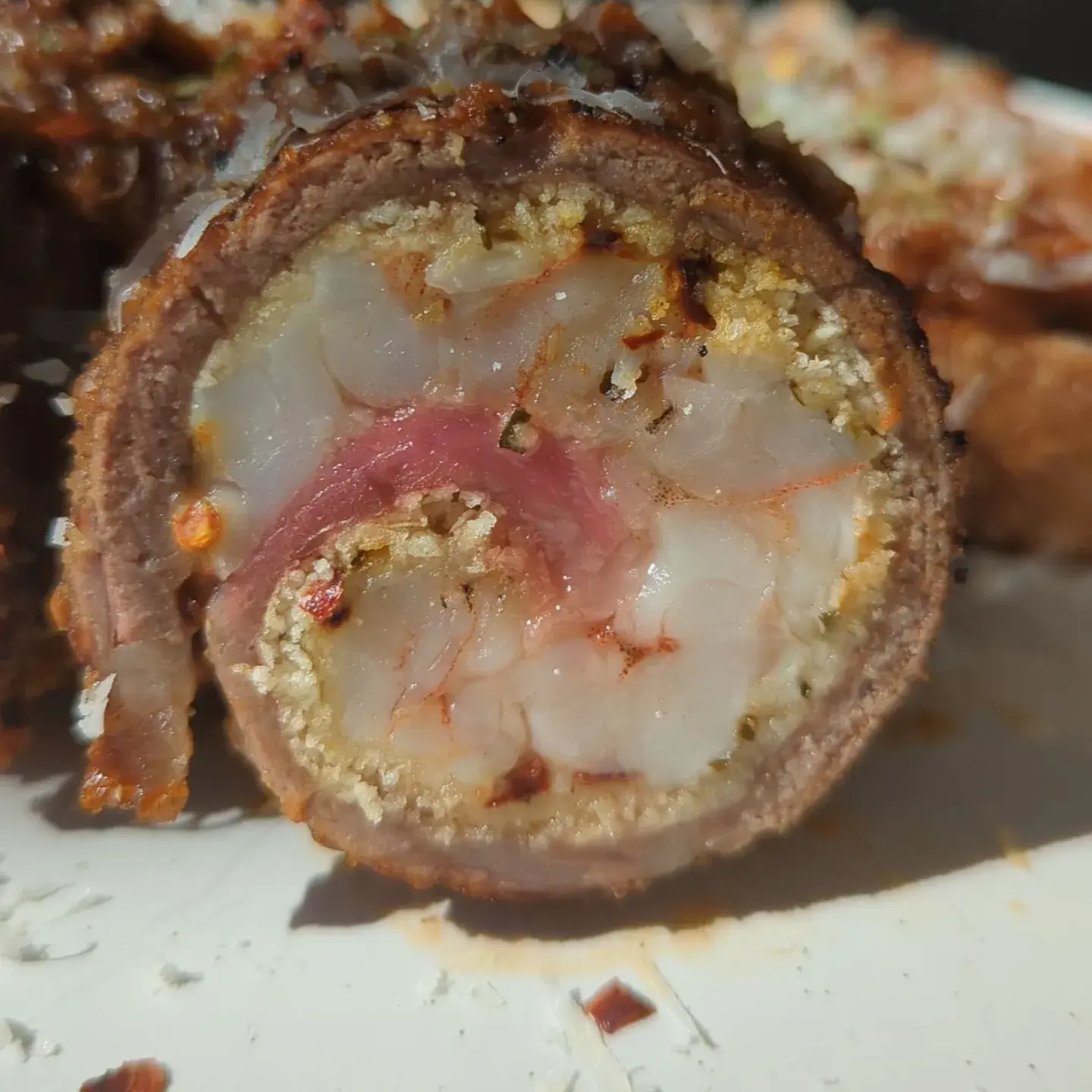

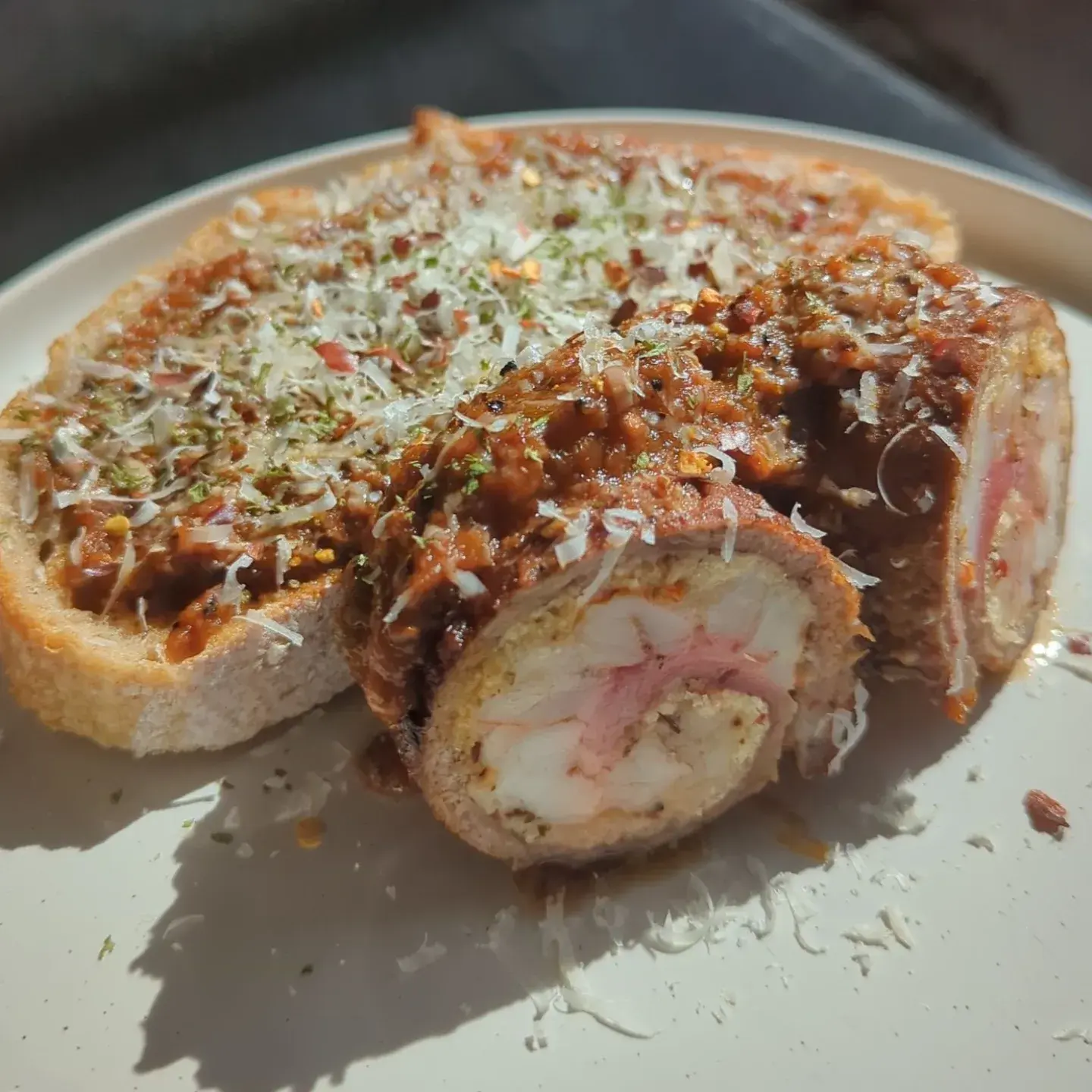
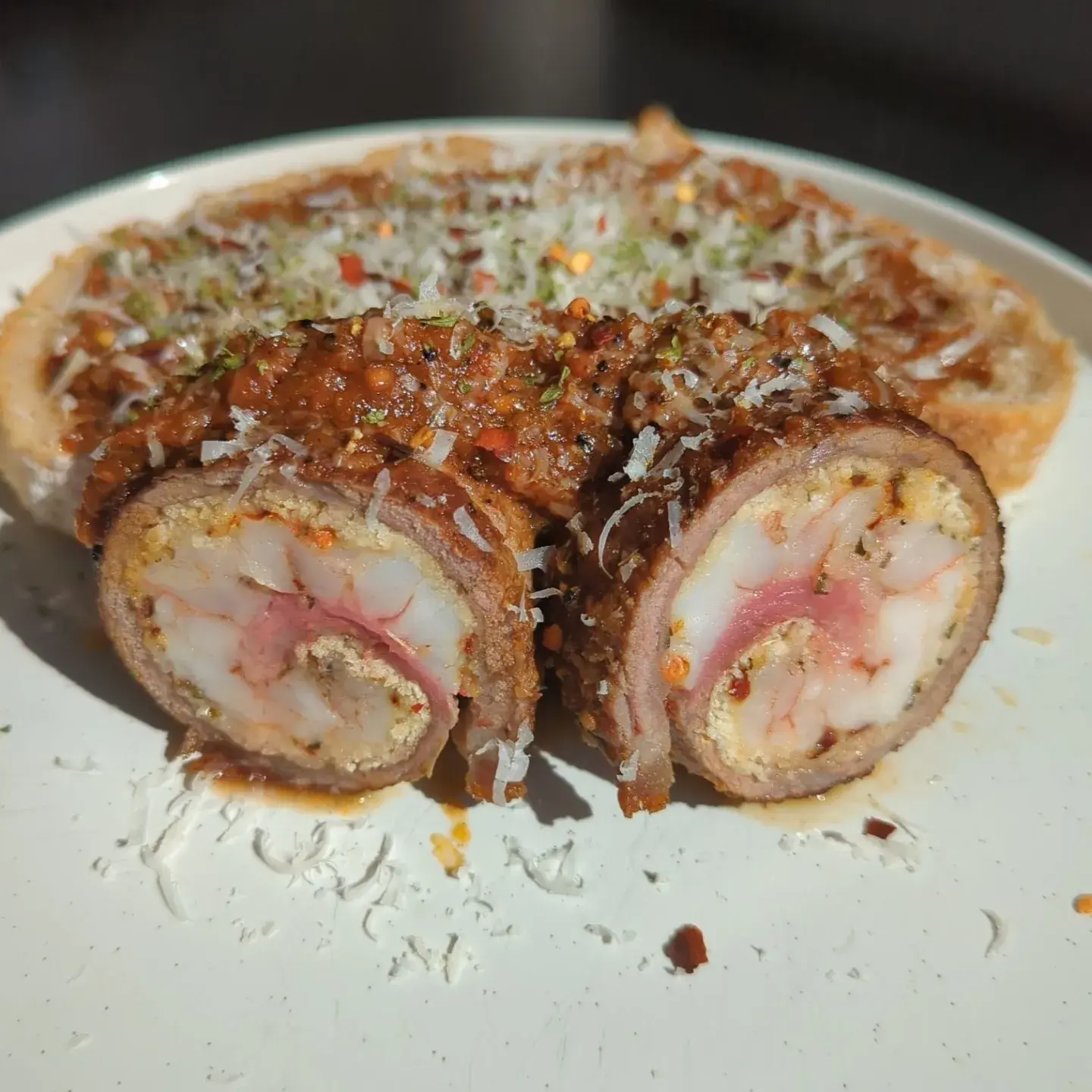

I am going to write a long form post/video explaining the steps I use with lots of data points, but at its core this is a 75% hydration Tartine country loaf.
What I think makes my process different my order of operations. I build the gluten network first via autolyze and fermentolyze steps, then build flavor by promoting the growth of lactic acid bacteria so that it outpaces the speed at which the yeast multiplies (dough temps as high as 100°F).
I have to stop that flavor buildup before the gluten network dissolves and the loaf over ferments, but once it's sufficiently acidified I'm basically waiting for the bread to rise like any commercial yeasted recipe.
I am currently using a 9 hour cold retard @ 40°F to stop the acidification and raise the dough at the same time, but I've got a feeling that is longer than what's actually necessary since the dough reaches temps that make the starter inert around 6 hours in. Since commercial breads can rise in like 4 hours in cold temps, I think there's further optimization that can be done here, but I'm not waking up at 3 AM to bake bread anyway.

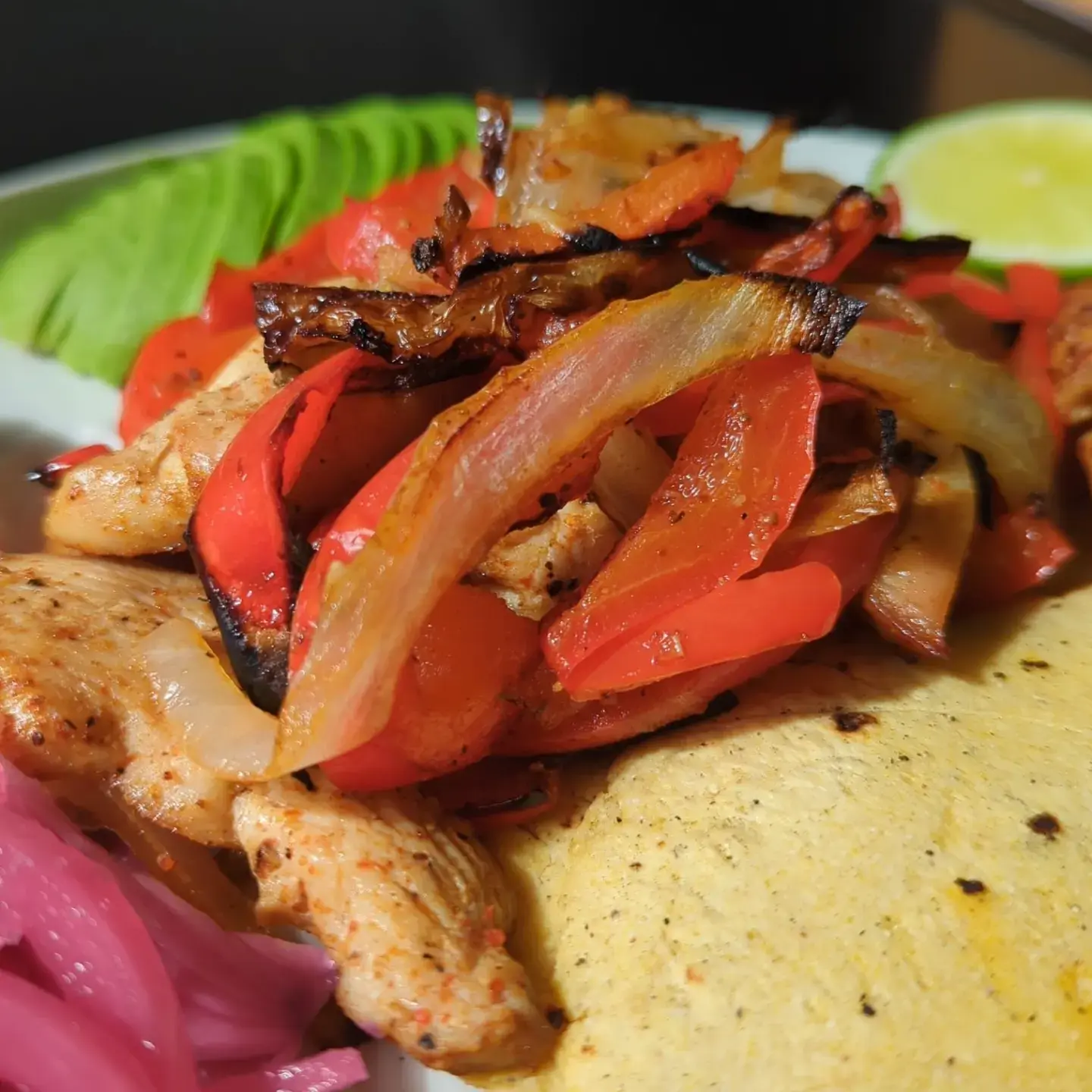
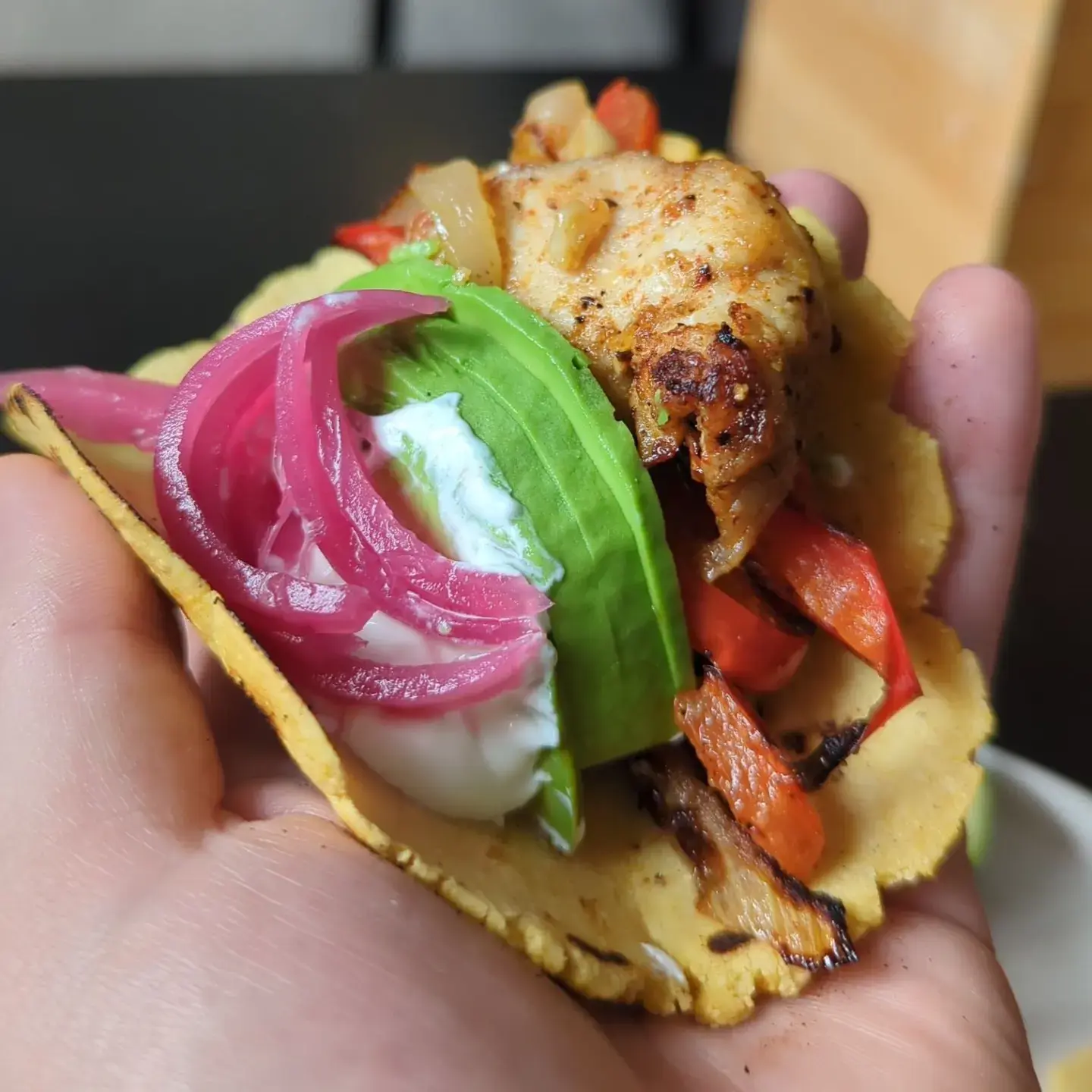


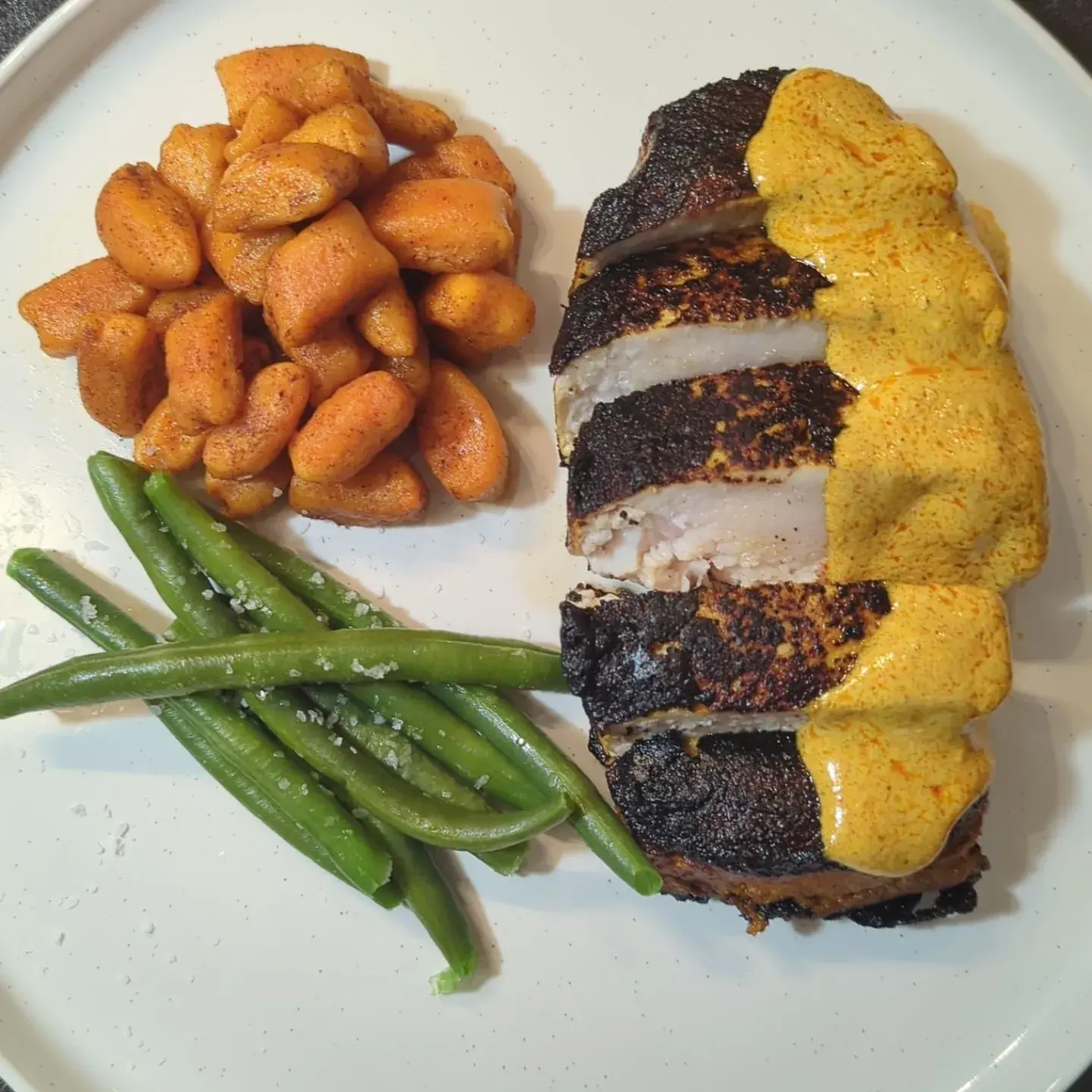
Meh, it's whatever. The important bit to me is that you are helping me improve. I will be more meticulous the next time around thanks to your input. :)