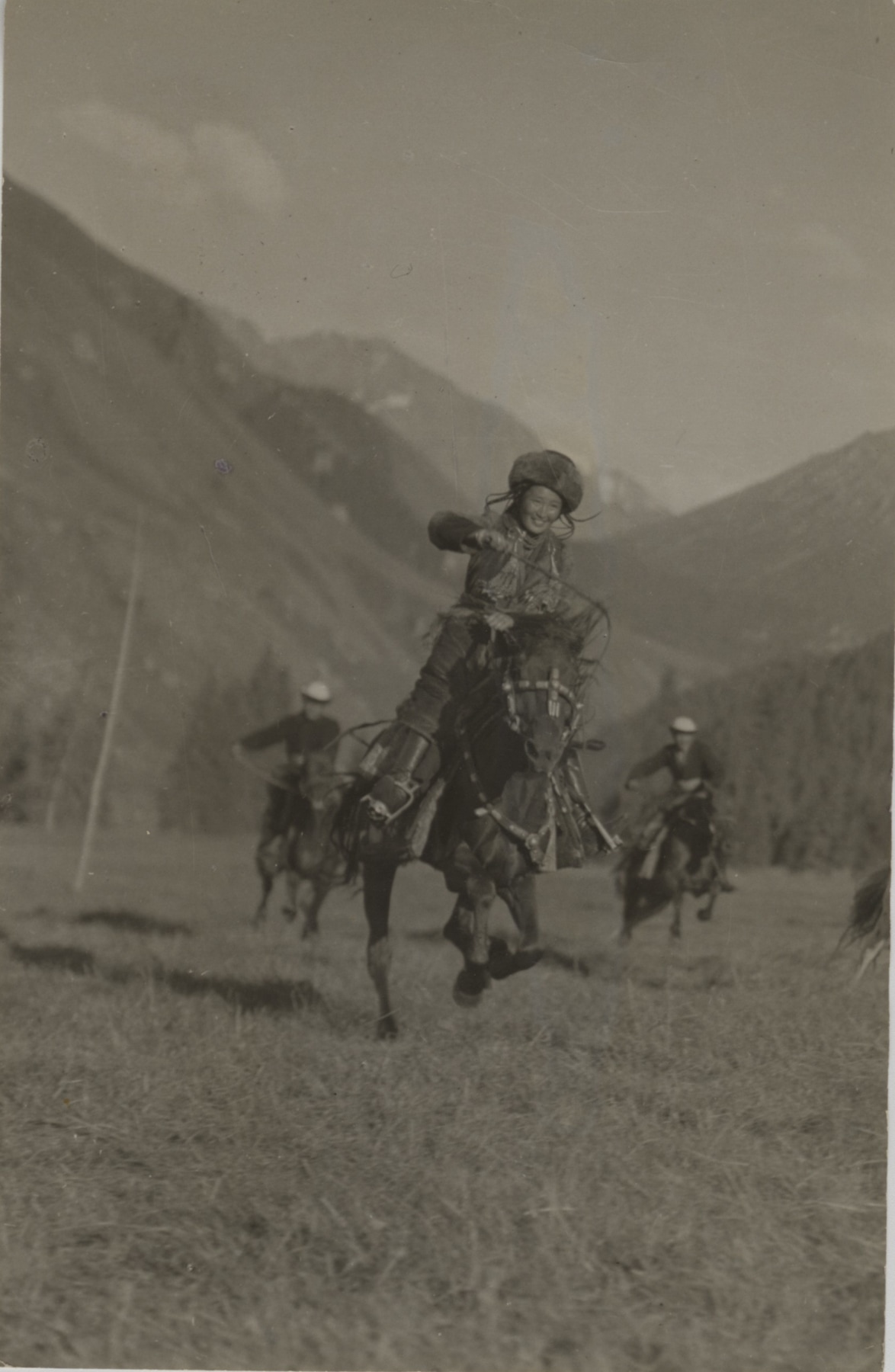
Cool ass photo
COMM MOVED TO !historyphotos@piefed.social
Cool ass photo
That's not an ass, that's a horse.
she cute
Well she's dead now unfortunately.
Oh to be a Krygyz woman on horseback in 1936...
Wow how did they get this photo of a moving subject in a camera from the 30's. I'm impressed
Fast film (you can see how grainy it is when you zoom in a little) and shooting in full bright sun = you can shoot very short exposure and freeze motion. There were already cameras in the 1930s with mechanical shutters that could do 1/500th and even 1/1000th of a second exposure, which is plenty fast for this type of shot.
The lens looks pretty fast too - depth of field is very shallow, although part of that is also due to possible use of medium or large format - faster lens (lower f stop) and larger film both allow more light capture, and therefore faster exposure as well, but at the cost of less depth of field.
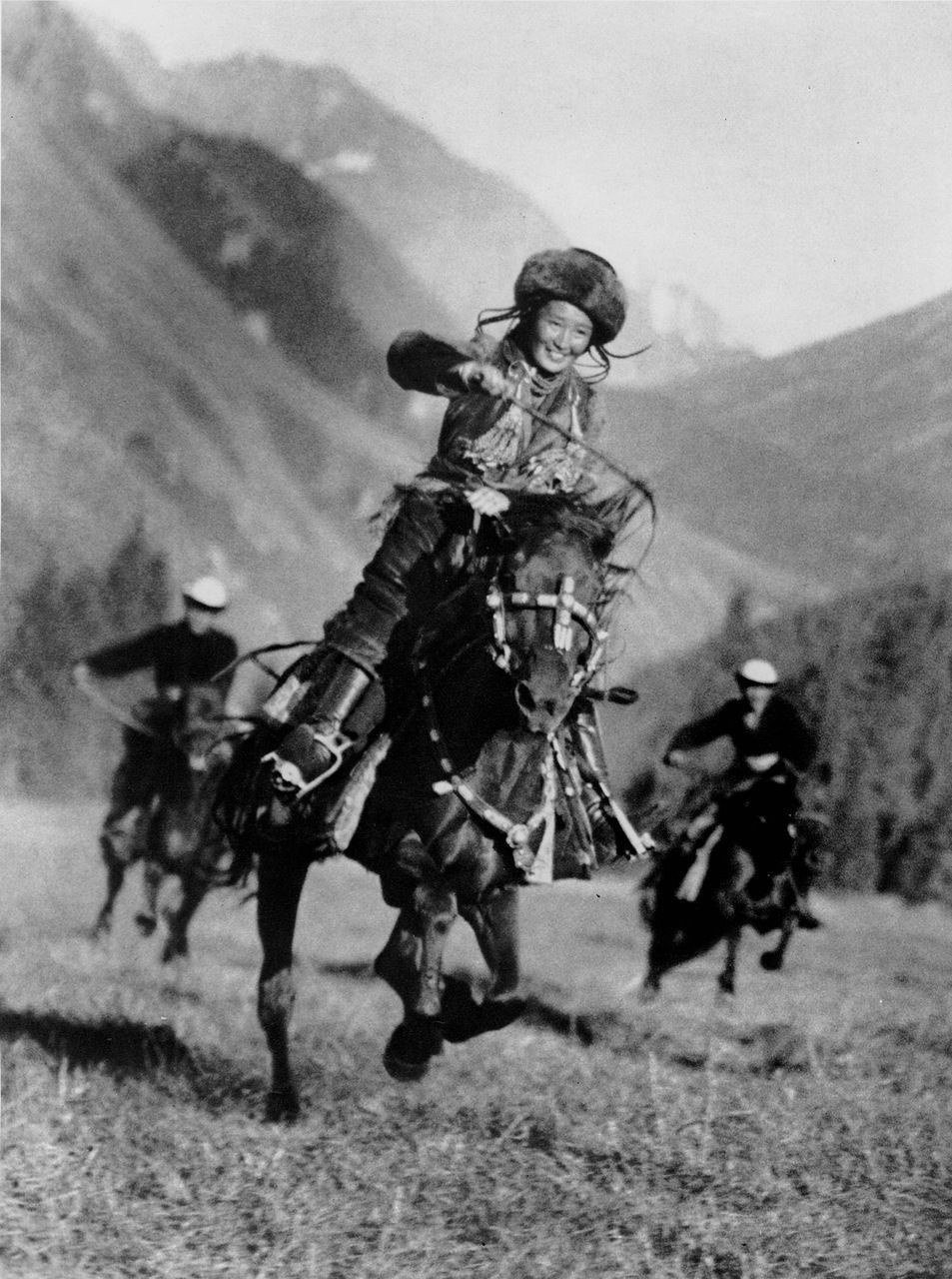
Edit: here is a good print of the full frame - looks like ~1.50 ratio, so probably 35mm film (not medium or large format) - I can't find a lot of information about what cameras Max Alpert used in the 30s, although he did use a 35mm Leica on at least some photos from that era. A Leica III could do 1/1000 in 1935 for example. The early Soviet cameras from the 1930s were also basically direct copies of Leicas. The frame also looks a bit underexposed, which could be due to pushing the exposure for more speed.
Nice reply, btw. I thought it looked impressive at first, especially with the lack of motion blur but noticed the short depth of field which got me thinking a bit, but it stilled looked impressive. Your link is less sharp/more grainy so maybe the OP's image could be digitally enhanced? which would explain some of the quality.
from the '30s*
TIL thanks