politics
Welcome to the discussion of US Politics!
Rules:
- Post only links to articles. Title must fairly describe link contents. If your title differs from the site’s, it should only be to add context or be more descriptive. Do not post entire articles in the body or in the comments.
Links must be to the original source, not an aggregator like Google Amp, MSN, or Yahoo.
Example:
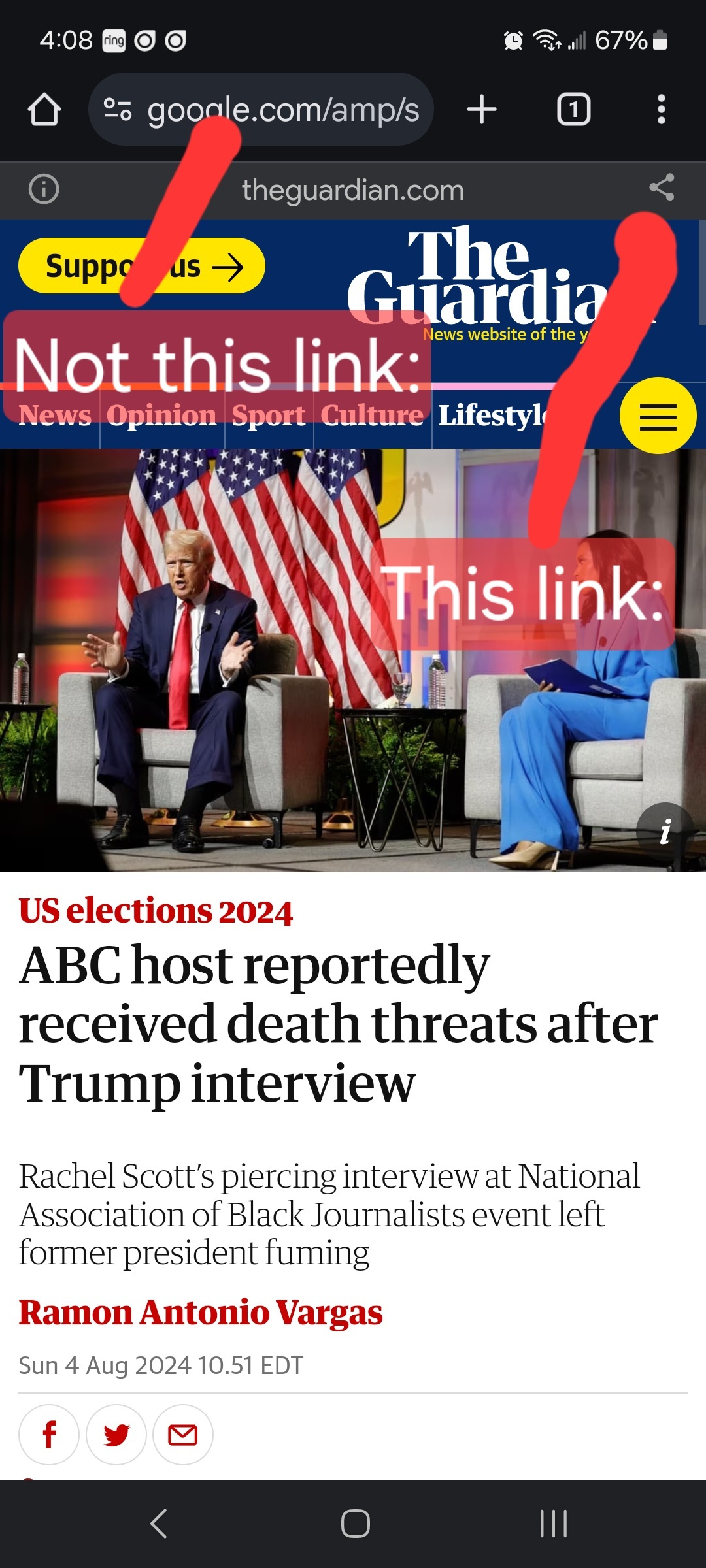
- Articles must be relevant to US politics and contain quality and original content. Social Media adjacent hosts like Substack are allowed, but ONLY if they tie back to a company/subsidiary. No personal or friend group blogs and no self-promotion. Articles should be worth reading. Clickbait, stub articles, and re-hosted or stolen content are not allowed. Check your source for Reliability and Bias here.
- Be civil, No violations of TOS. It’s OK to say the subject of an article is behaving like a (pejorative, pejorative). It’s NOT OK to say another USER is (pejorative). Strong language is fine, just not directed at other members. Engage in good-faith and with respect! This includes accusing other users of being bots or paid actors.
- No memes, trolling, misinformation, or low-effort posts/comments (including reposts). If you see posts like this that anger you, do not engage. Report, block, and live a happier life than they do. Any slap-fight is subject to comment removals. Fights full of rule violations will result in temporary bans to cool off.
- No manipulating votes via bots or alt accounts; this will result in permanent bans. Vote based on comment quality, not agreement. This community aims to foster discussion; please reward people for putting effort into articulating their viewpoint, even if you disagree with it.
- No hate speech, slurs, celebrating death, advocating violence, or abusive language. This will result in an account ban. Usernames containing racist, or inappropriate slurs will be permanently banned.
We ask that the users report any comment or post that violate the rules and use critical thinking when reading, posting, and commenting. Users that repeatedly have comments or posts removed, weaponize reports, or violate the code of conduct, will be banned.
All posts and comments will be reviewed on a case-by-case basis. This means that some content that violates the rules may be allowed, while other content that does not violate the rules may be removed. The moderators retain the right to remove any content and ban users. The reason(s) behind moderator action(s) are publicly available through the Modlog.
That's all the rules!
Civic Links
• Congressional Awards Program
• Library of Congress Legislative Resources
• U.S. House of Representatives
Partnered Communities:
• News
view the rest of the comments
One big issue is that the term "free range" is essentially meaningless as defined by the USDA, and often gives consumers the false sense that products marked as "free range" come from animals who had a higher standard of living than non-free range, therefore making their farming more ethical. In reality, this is basically never true.
To qualify as "free range" an animal needs to have "continuous access to the outdoors for 50% of its life". Sounds good on paper, but "outdoors" isn't rigorously defined in this standard. This means that situations that no reasonable person would call "continuous access to the outdoors" still count. For example, you could cram 1000 chickens into a small barn to the point where they barely have space to move, but as long as there's a hole in one wall that opens into a tiny one-foot-by-one-foot pen with no roof, it still counts. If that teeny tiny "outdoor" space can fit at least 1 chicken, then congratulations, all 1000 are now "free range". As long as you cater to some very specific loopholes, you can get away with factory farming while still having the legal right to claim on your packaging that your animals were treated humanely.
Terms like "organic" and "pasture raised" are similarly deceptive to the point of being meaningless, and so it's basically impossible to know what conditions your food was subjected to during it's life based on the packaging alone. Of course you can always try to do your own research about individual companies (or if you're lucky enough to have access, individual farms), but there are lots of laws on the books protecting them from having to disclose specific details to anyone but the USDA, so good luck getting any meaningful information. There have even been cases of farm workers and journalists being prosecuted for things like sharing pictures of farm conditions or publishing personal accounts of how livestock were treated on private farms. Fortunately the "ag gag" laws that allow these whistleblowers to be prosecuted are rarer than they used to be, but there are still a handful of states that have them (if you tried to guess which ones, you'd probably get most of them right).
In reality, the only way to know if an animal was raised to your own standards of ethics is to raise it yourself.
Thank you very much for taking the time to explain, that was very helpful :)
My pleasure!