this post was submitted on 02 Oct 2024
312 points (99.4% liked)
[Dormant] moved to !historyart@piefed.social
2205 readers
1 users here now
COMM MOVED TO !historyart@piefed.social
founded 2 years ago
MODERATORS
you are viewing a single comment's thread
view the rest of the comments
view the rest of the comments
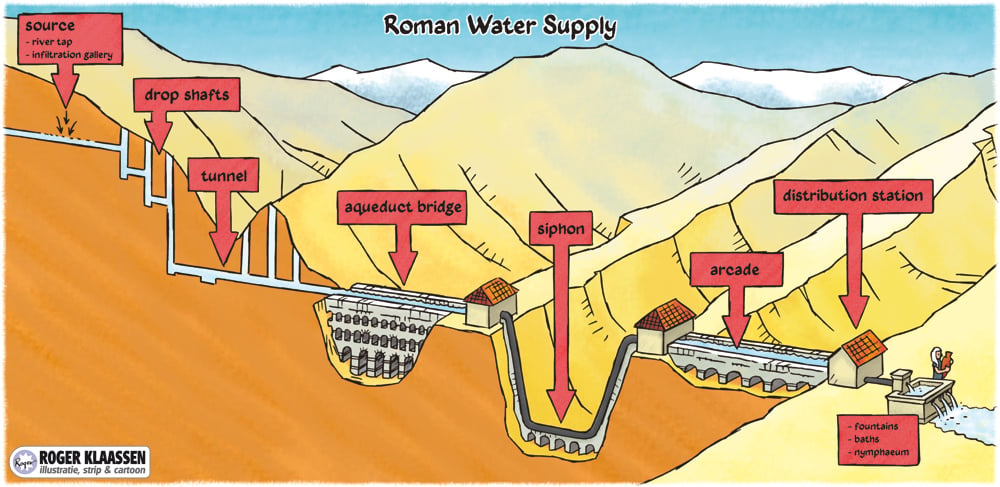
But you have to keep water pressure throughout the length of that tube, how did they do that with their materials?
They had metal working and also knew how to work clay. Plus finding water leaks isn't difficult to know what specific points need attention, then you just add material until it stops leaking. The pipes might have been large enough to work from the inside if the flow was diverted.
They also wouldn't need a perfect seal, just a good enough seal that the majority of the water makes it to the other side.
I'd bet that there were teams of people whose full-time job was to maintain each of the siphons rather than the more modern approach of "build it and then bury it under asphalt because it will probably be fine for years" plumbing takes today.
There is no additional pressure besides from the height/drop, so unless so have a substantial leak where you lose a lot of water, it "just works".