76
Soil Science
821 readers
1 users here now
Welcome to c/soilscience @ slrpunk.net!
A science based community to discuss and learn all things related to soils.
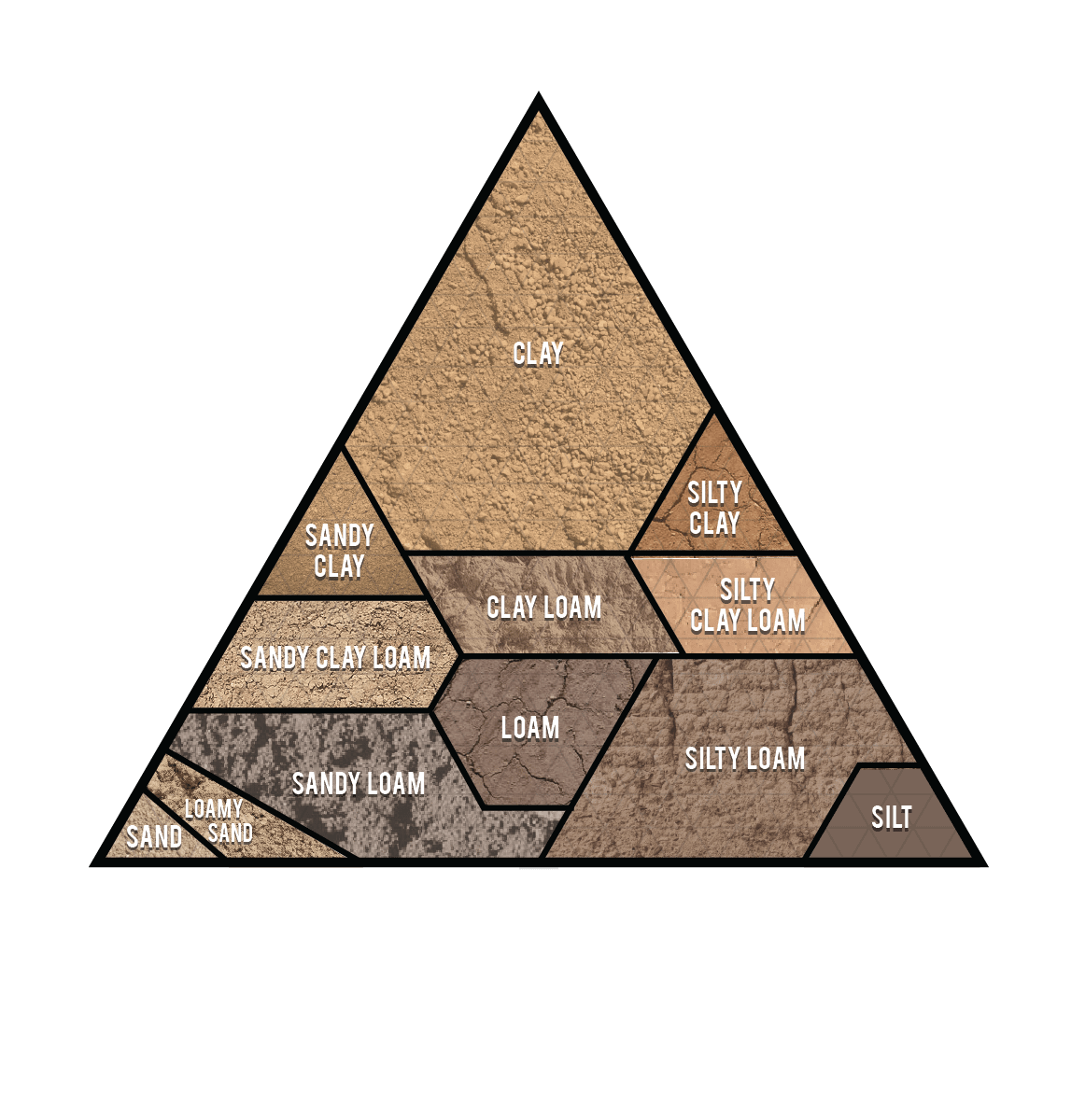
Notice Board
This is a work in progress, please don't mind the mess.
Subdisciplines of soil science include:
- Soil Taxonomy & mapping
- Soil Fertility & Organic Amendments
- Soil Chemistry & Remediation
- Soil Mineralogy
- Soil Physics
- Soil Biology
These subdisciplines are used by various other disciplines, particularly those related to reclamation, remediation, and agriculture.
Rules
- Don't throw mud. Be kind and remember the human.
- Keep it rooted (on topic).
- Please use a tag.
- No spam.
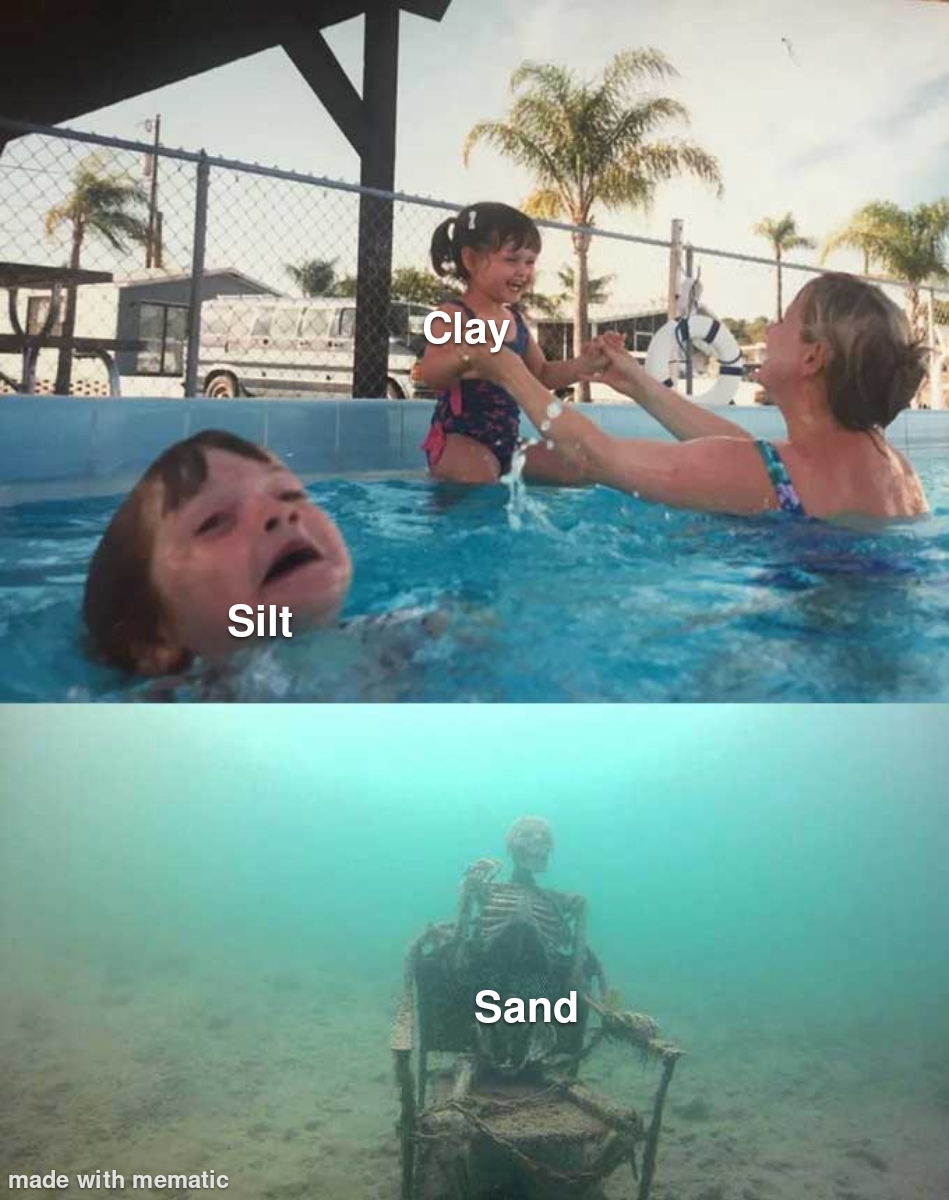
- Memes are welcome, but the focus of this community is science-based
Resources
Blogs
Careers
Chemistry
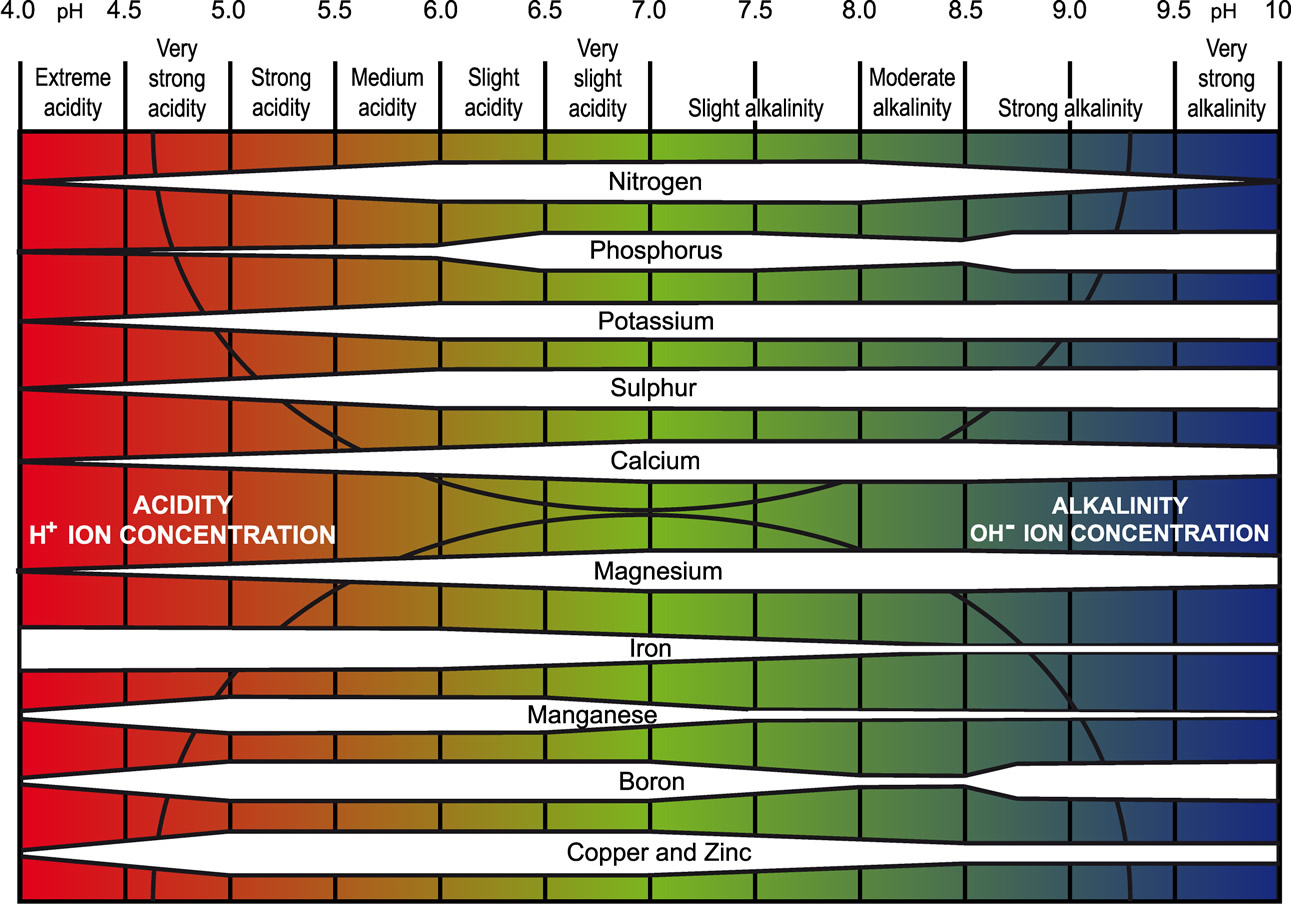
- Secondary and micronutrient availability by pH
- Secondary and micro nutrients availability by pH line graph
- Common Nutrient Deficiency Symptoms on Leaves Infographic
Classification
Maps & Datasets
Canada
- Canadian System of Soil Classificaiton
- 1982 Canadian Manual for Describing Soils in the Field
- Alberta Soil Quality Criteria Relative to Disturbance this one is widely used across Canada
- Best management practices for conservation of reclamation materials in the mineable oil sands region of Alberta - a good guide to basic reclamation and revegetation BMPs
Europe
- Agrifood Soilscapes (UK)
- Datasets from the BGS (UK)
- Datasets from the James Sutton Institute (UK)
- Scotland Environment Soil Maps
- Soil Atlas of Europe
- UK Geochemical Atlas
- UK Soil Observatory
United States
World
Soil Contamination:
- Cornell Guide to Testing Contaminated Soils
- CCME Soil Guidelines for Contaminants
- Wikipedia Lists of Hyperaccumulators for Bioremediation
Similar Communities
- !geology@lemmy.ca
- !geophysics@lemmy.ca
- !geologycareers@lemmy.ca
- !mining@lemmy.ca
- !openscience@lemmy.ml
- !reclamation@slrpnk.net
Sister Communities
Science and Research
Biology and Life Sciences
- !anthropology@mander.xyz
- !microbiology@mander.xyz
- !biodiversity@mander.xyz
- !palaeoecology@mander.xyz
- !palaeontology@mander.xyz
Plants and Gardening
Physical Sciences
Humanities and Social Sciences
- !archaeology@mander.xyz
- !cooking@mander.xyz
- !folklore@mander.xyz
- !history@mander.xyz
- !old_maps@mander.xyz
Memes
Find us on Reddit
founded 2 years ago
MODERATORS
77
78
79
80
81

84
86
87



91
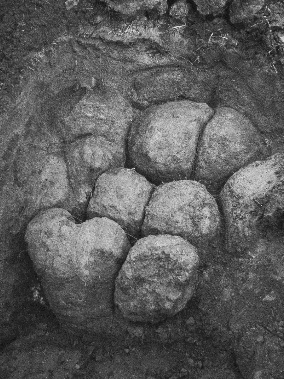
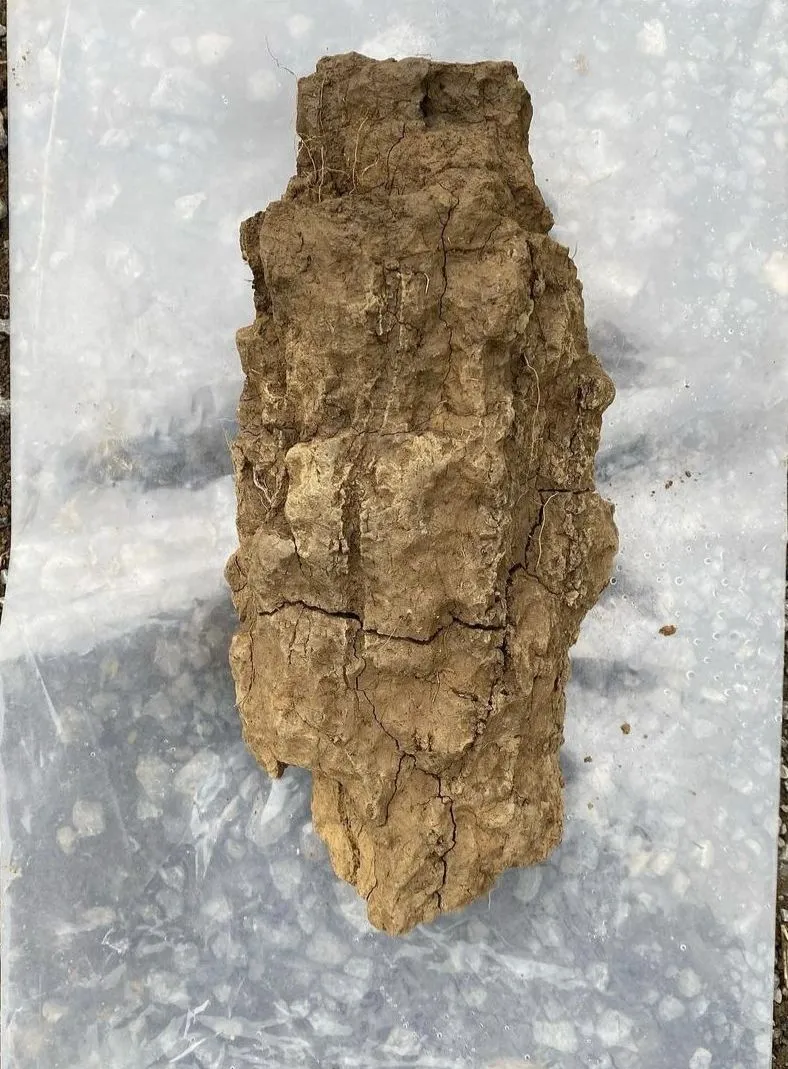
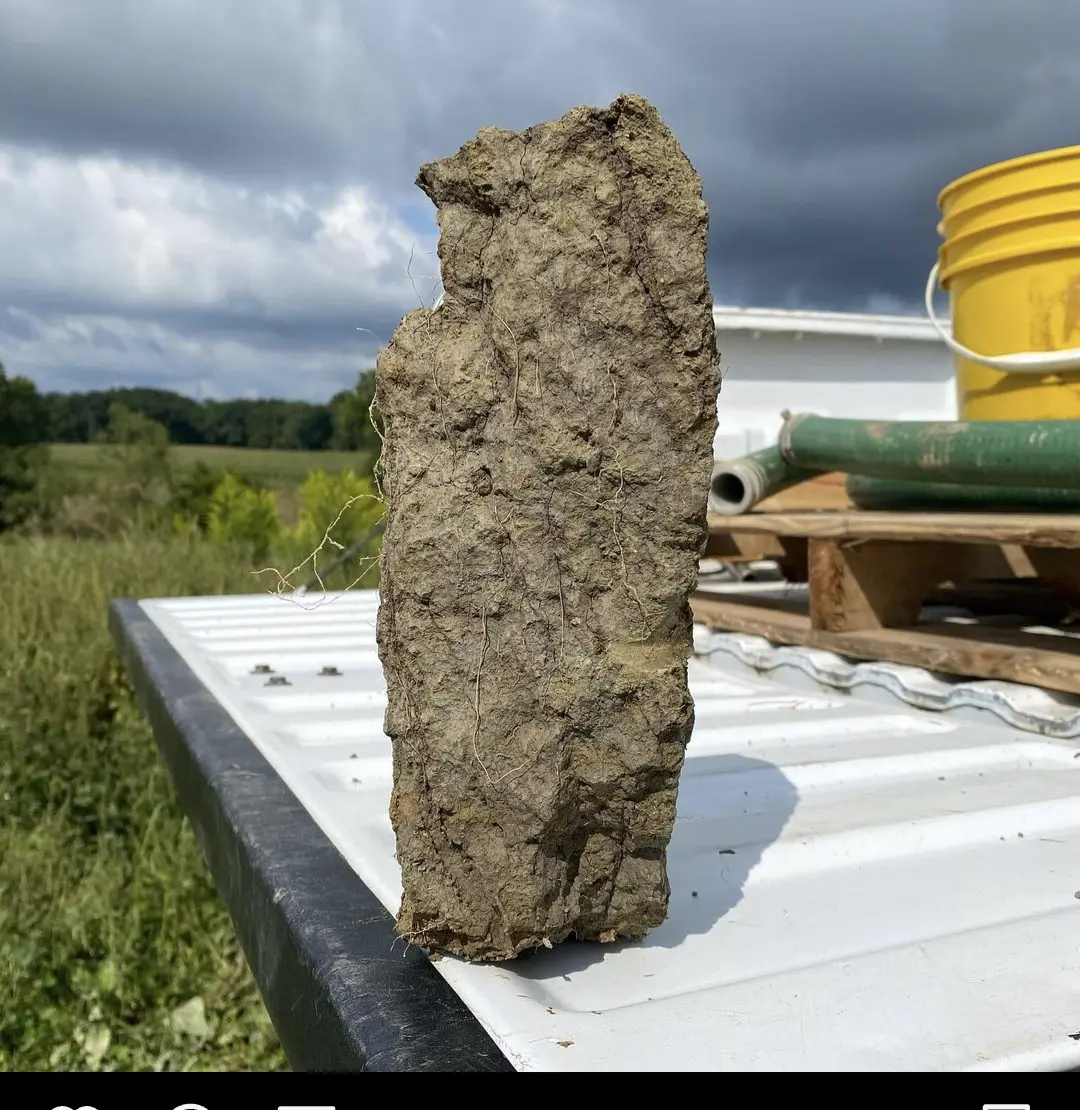
Breaking into stong coarse subangular blocky



97
99
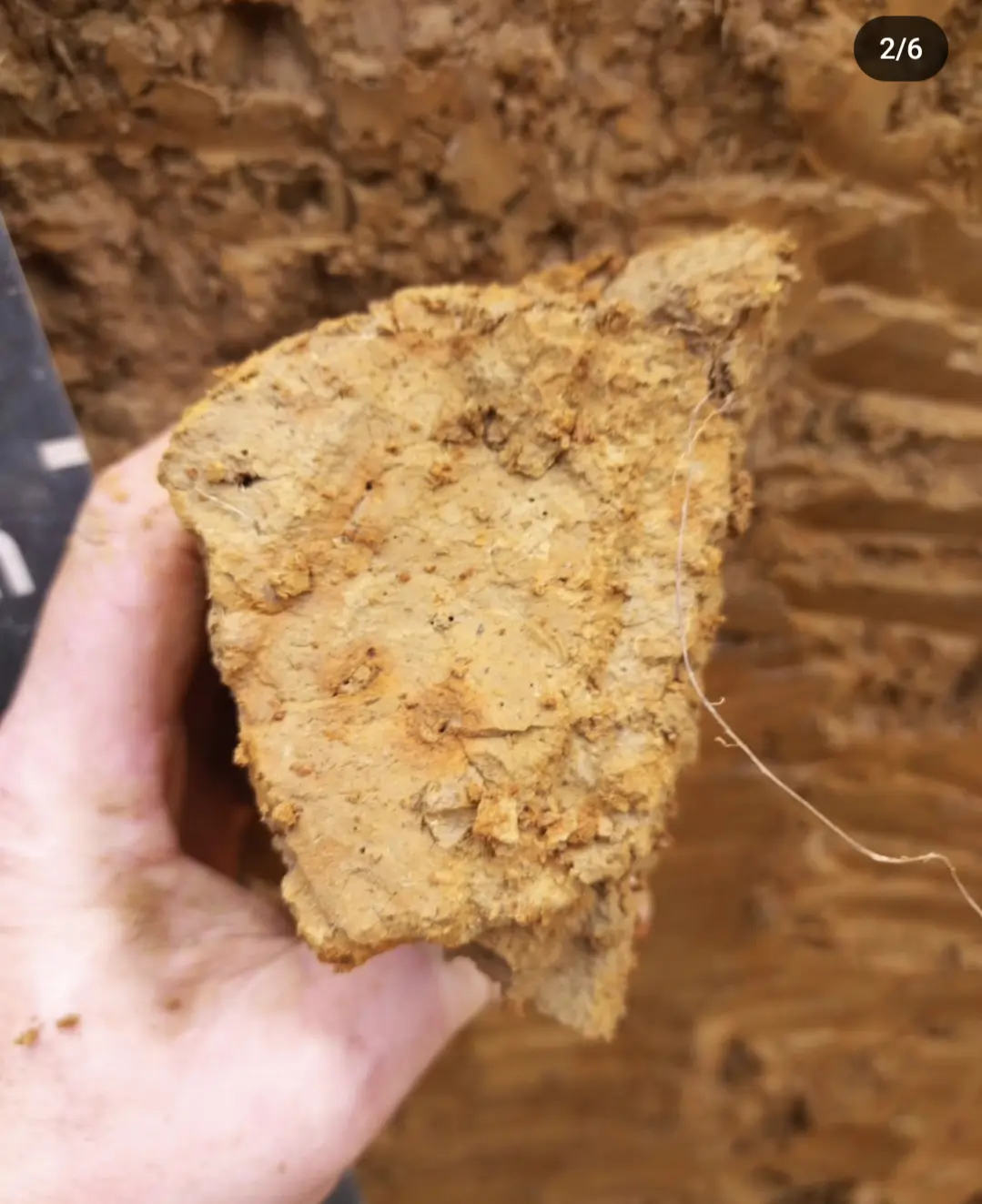
In soils with very high 2:1 clay contents, the soils expand and contract as they are wetted and dried. This creates shear faces called slickenslides, like the one shown above. Essentially they clay expands so much it's forced to shear somehow, and this is the resulting shear plane.