Fuck Cars
A place to discuss problems of car centric infrastructure or how it hurts us all. Let's explore the bad world of Cars!
Rules
1. Be Civil
You may not agree on ideas, but please do not be needlessly rude or insulting to other people in this community.
2. No hate speech
Don't discriminate or disparage people on the basis of sex, gender, race, ethnicity, nationality, religion, or sexuality.
3. Don't harass people
Don't follow people you disagree with into multiple threads or into PMs to insult, disparage, or otherwise attack them. And certainly don't doxx any non-public figures.
4. Stay on topic
This community is about cars, their externalities in society, car-dependency, and solutions to these.
5. No reposts
Do not repost content that has already been posted in this community.
Moderator discretion will be used to judge reports with regard to the above rules.
Posting Guidelines
In the absence of a flair system on lemmy yet, let’s try to make it easier to scan through posts by type in here by using tags:
- [meta] for discussions/suggestions about this community itself
- [article] for news articles
- [blog] for any blog-style content
- [video] for video resources
- [academic] for academic studies and sources
- [discussion] for text post questions, rants, and/or discussions
- [meme] for memes
- [image] for any non-meme images
- [misc] for anything that doesn’t fall cleanly into any of the other categories
Recommended communities:
view the rest of the comments
In waters is consistently about a third from tires and a third from synthetic textiles (bcs washing).
Eg
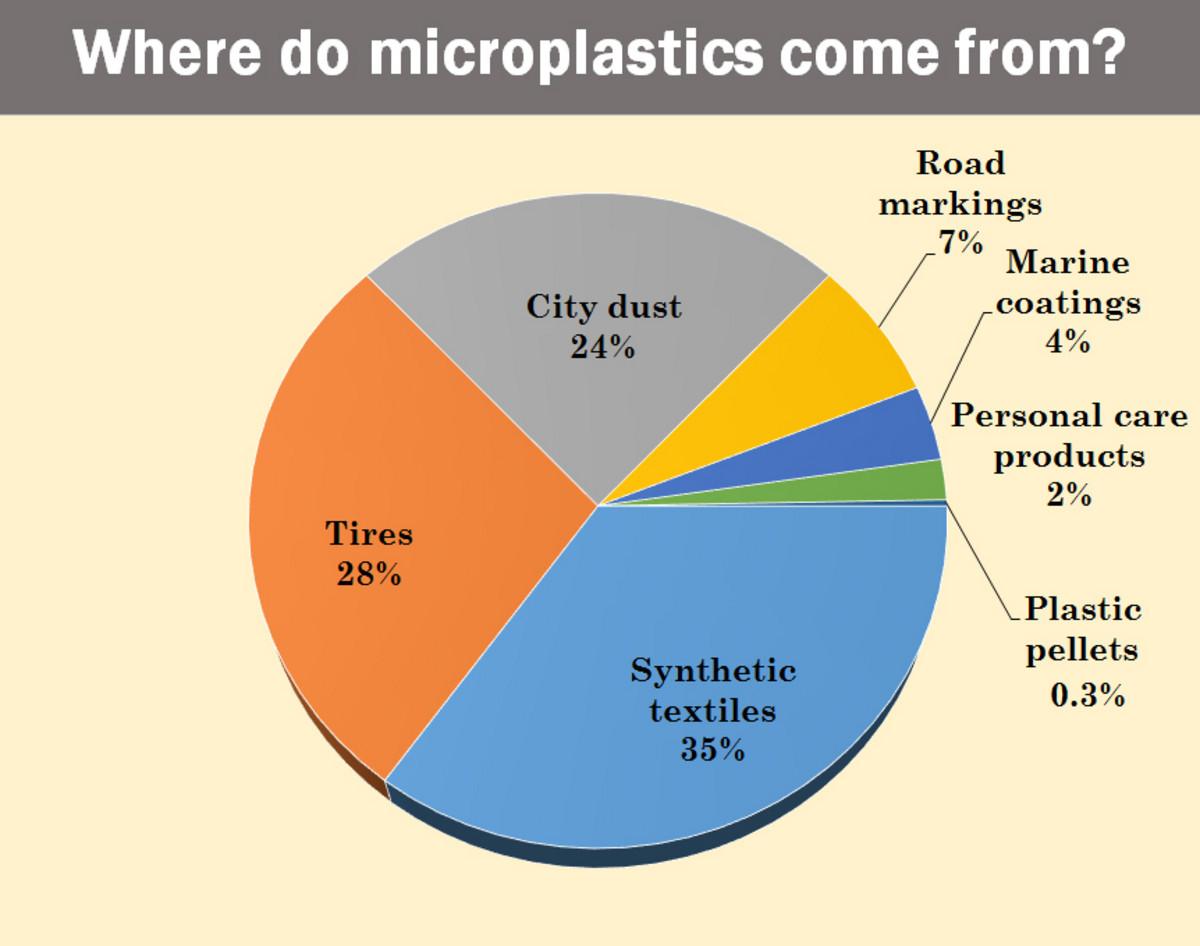
I'd like to see the numbers, but I imagine that the synthetic textiles chunk comes from the sheer volume of fast-fashion and trashion produced every year. I have synthetic shirts that are well over a decade old and still look and function as brand new. My cotton shirts under similar wear get ratty and frayed in that time frame (and require harsh chemicals for stains).
If we stopped over-washing and over production, I wouldn't be surprised if the lifetime ecological footprint of synthetic garments is less than a cotton equivalent.
i would imagine most comes from shedding of the fabrics in regular use and washing+drying, basically the rate is mostly constant fast fashion or not. I would think the only viable solution would be limiting/stopping or finding alternatives to synthetic fibers. Also perhaps some kind of microplastic filter in washing machine outlets mandated by regulation could be a way to limit the emissions of new microplastics.
So... Cotton/Linen/Wool? The technology is fine, its only downside in most applications is simply cost. Cotton clothes are more comfortable, less stinky, less polluting, and won't fuse with your skin and disfigure you for life if they accidentally catch on fire. On top of not making microplastics soup every wash cycle.
If we cared to actually solve the problem of plastics in fast fashion we could ban them, with some exceptions for sportswear and shoes where synthetics have some actually useful uses. Hell, we could even make it an easy transition by gradually pulling back the allowable synthetic content for x years.
But it would directly kneecap Shein and H&M's business model so we have to weigh all the pros against that.
There's also Hemp. And Lyocell, which is made from cellulose (Sourced from trees or bamboo).
And yeah nice fully cotton clothes can be pricey. The upside is that they're generally much higher quality and very comfy. Annoyingly it is very common for stuff to be labeled "100% cotton" yet still be cotton/poly mix so always check the fabric breakdown on tags or website fine print.
I'm sure would find equivalent non-polluting alternative materials within a couple of years if we banned all plastics ("synthetic textiles").
But only if we actually put the ban in place.
Otherwise the answer is never.