this post was submitted on 22 May 2026
108 points (100.0% liked)
Woodworking
8677 readers
40 users here now
A handmade home for woodworkers and admirers of woodworkers. Our community icon is submitted by @inquanto@lemmy.world, winner of the Christmas 2025 gift contest with a lovely series of hardwood cutting boards.
founded 3 years ago
MODERATORS
you are viewing a single comment's thread
view the rest of the comments
view the rest of the comments
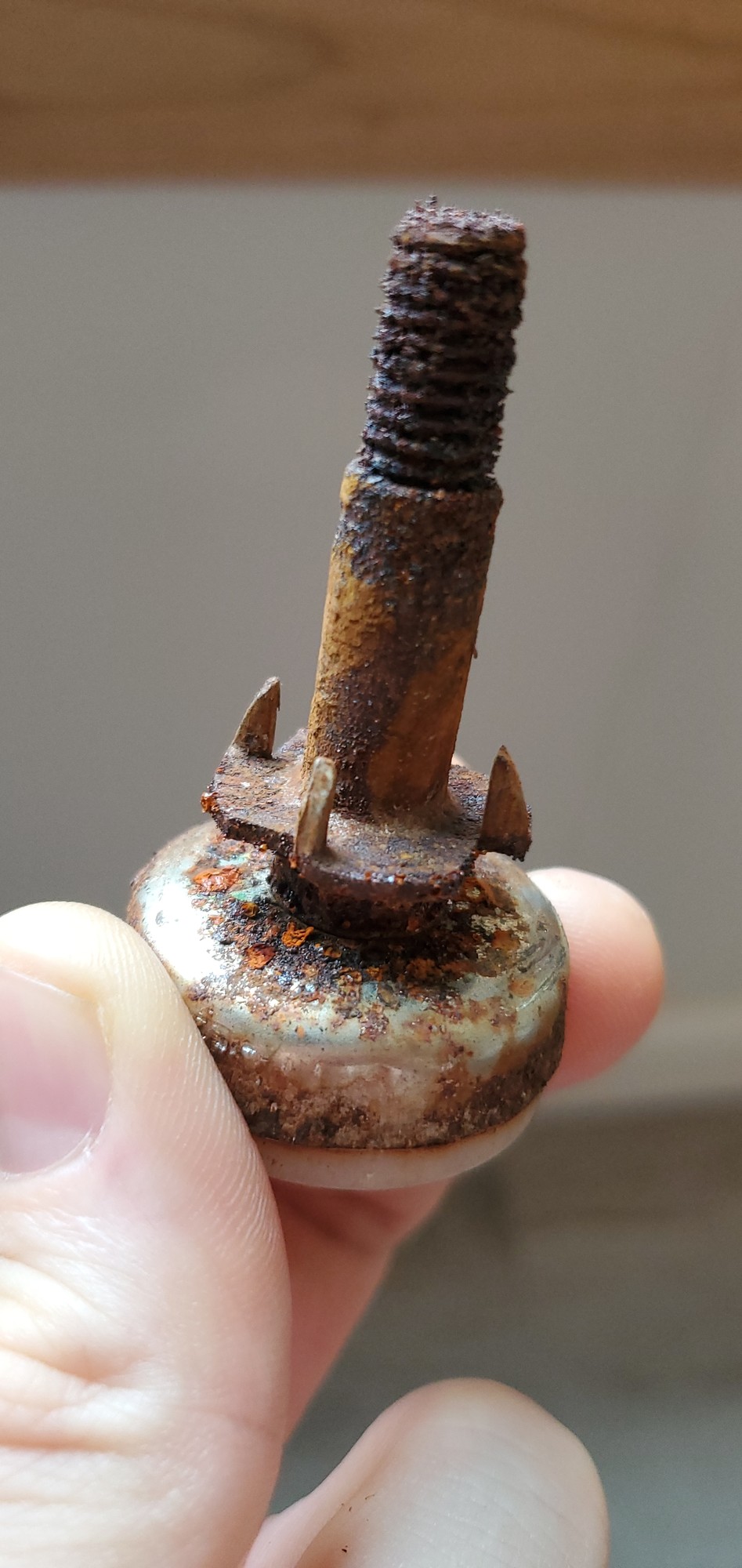
It's not that bad, when used correctly they stay put a long time.
When I design furniture that needs one, I usually design it so the t-nut goes in from the other side so the screw secures it in, but honestly unless the wood gets wet, the t-nut will hold fine.
There are similar t-nuts with tiny screws instead of hammer in options. You can chisel out the wood and epoxy in a hex nut. You can just screw the leveling foot directly into the wood. You can put a larger metal plate in place.
But if the wood fails and the t-nut falls out, you can also just repair the wood or epoxy it back in and it'll hold for another few decades.
Most wood furniture won't last forever without repairs anyway, the fixes over the years are part of the charm.
Aren’t these used for adjustability? Meaning you can loosen or tighten them to deal with unevenness?
And if that’s the case, wouldn’t reversing the t nut result in the weight of the furniture pushing the t nut out of place?
You can use t-nuts for a lot of reasons. A t-nut specifically is for screwing machine screws into wood. This particular use case is using that machine screw as a leveler, but it's not the only case.
Sometimes you just want a large, solid bolt to hold things together, but allow them to be taken apart. In those cases I try to put the t-nut the other way around so assembly tightens the nut.
They're used a lot in cheap pressboard furniture, to keep the screws from stripping out in the weak "wood."
I'm confused - it seems like thats what would happen here? The foot would push the T nut into the wood from below?
Think about what would happen if you just pulled on the foot. The T-nut would come right out.
Compare that to how you would typically use a normal nut and bolt to secure two pieces of material, with the bolt head and nut on opposite sides of the material being secured.
Sure, but wouldnt the normal pressure of the floor pressing into the foot then immediately pop the t nut out of the top of the wood you nailed it into?
Well yeah, but you wouldn't use it that way for an adjustable foot -- that's a weird special case where the bolt is in compression. Normally the bolt is in tension, and that's when you'd want the T-nut on the opposite side of the wood.
Oooh. I thought we were talking exclusively about adjustable feet, since that was the OP. Wasnt even thinking about other applications.